THE ADVENTURE COLLECTIVE® · Independent discovery and booking for outdoor travel

Spend a respectful three hours observing rescued elephants in a no-touch, no-ride sanctuary near Phuket. This guided afternoon emphasizes natural behavior, conservation education, and quiet wildlife viewing with a Thai buffet overlooking the habitat.
Spend a respectful three hours observing rescued elephants in a no-touch, no-ride sanctuary near Phuket. This guided afternoon emphasizes natural behavior, conservation education, and quiet wildlife viewing with a Thai buffet overlooking the habitat.
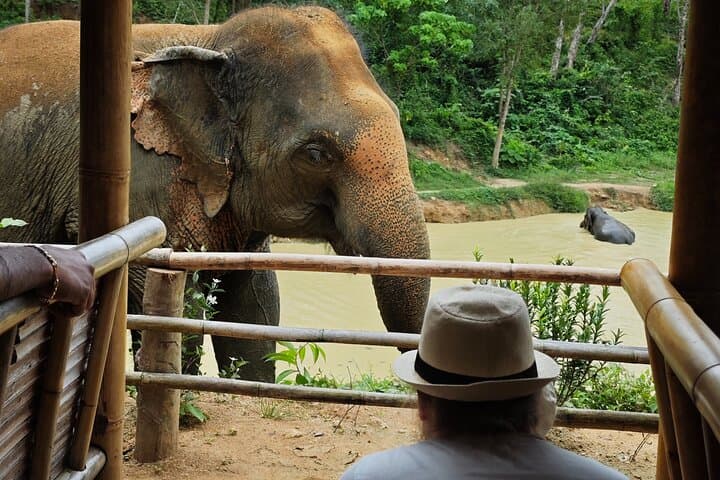
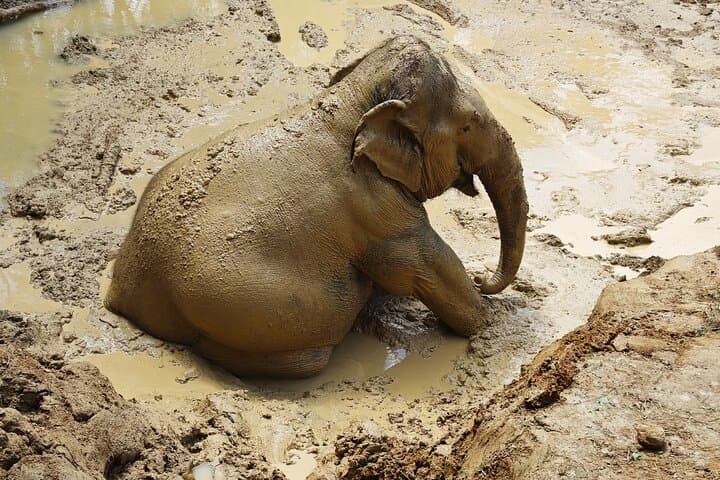
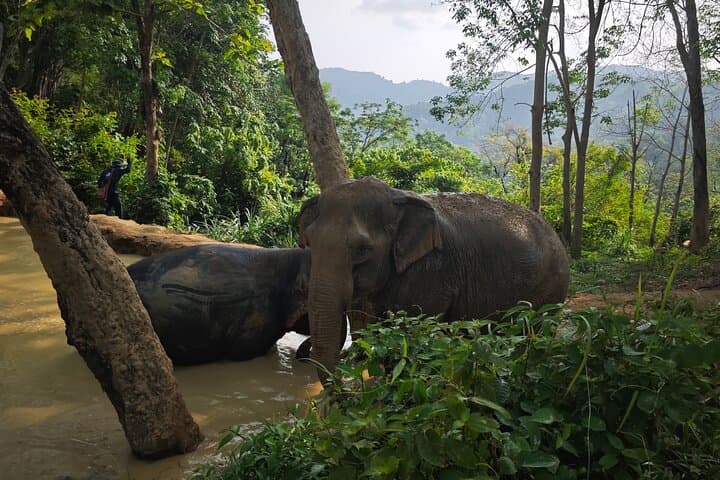
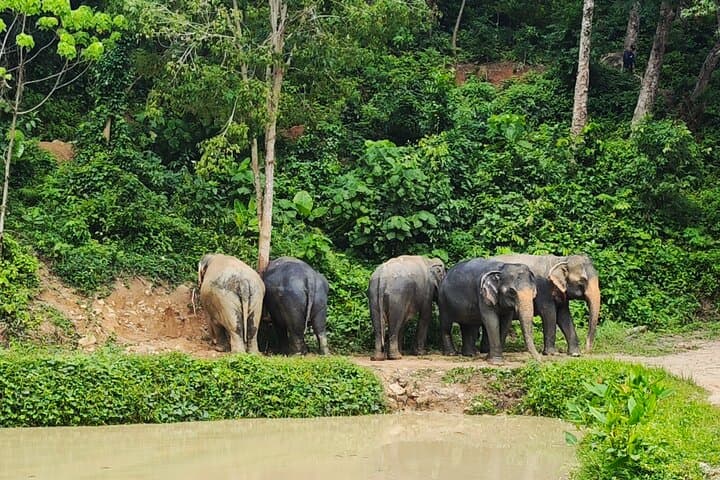
The dry heat of Phuket eases as you walk into the sanctuary’s forest edge—giant ears flick like slow flags, trunks sweep leaves and trunks test the soft mud. In the late afternoon light the elephants move in small social groups, pausing to forage, roll in ponds, and nuzzle one another while handlers remain at a respectful distance.
Verified experiences and guided adventures in the surrounding area.
Operated by Hidden Forest Elephant Reserve · Phuket, Phuket Province
The dry heat of Phuket eases as you walk into the sanctuary’s forest edge—giant ears flick like slow flags, trunks sweep leaves and trunks test the soft mud. In the late afternoon light the elephants move in small social groups, pausing to forage, roll in ponds, and nuzzle one another while handlers remain at a respectful distance.
The site sits on reclaimed agricultural land in eastern Phuket where rescued elephants from logging and tourist work are now allowed to rebuild natural behaviors. Geologically the area is low limestone outcrops and casuarina-dotted clay soil, so trails are mostly flat with short muddy sections after rain. Culturally, the sanctuary reflects Thailand’s recent shift toward no-contact elephant care—no rides, no bathing shows—and offers a Thai buffet overlooking the habitat, blending local foodways with wildlife observation.
Expect an interpretive 3-hour visit: quiet observation, guided talks about individual elephants’ histories, and time at viewing platforms near ponds. There’s minimal elevation gain and easy walking on dirt tracks; shoes that can handle mud are advised. Logistics are straightforward—transport options exist nearby, bookings are instant confirmation, and the policy requires moderate fitness and no cardiovascular concerns.
Practical tips: arrive hydrated, bring insect repellent, and plan for sun or sudden tropical showers. Photography is welcome but keep noise low and follow staff directions. The experience is less about interaction and more about watching elephants reclaim ordinary elephant life—calm, social, and unapologetically elephant-first.
moderate.
3 hours.
Moderate—able to walk short distances on uneven ground and stand for viewing periods
No—this sanctuary enforces a strict no-touch, no-feeding policy to prioritize elephant welfare and natural behavior.
Yes for most children, but the operator asks about age bands at booking and recommends supervision; it's not suitable for those with serious heart conditions.
Yes—a Thai buffet dinner overlooking the elephants and ponds is included with the afternoon visit.
Public transport options exist nearby and transfers can often be arranged; check meeting point details on your booking confirmation.
The sanctuary was established to provide a no-contact alternative for retired working elephants, reflecting shifting attitudes in Thailand toward elephant welfare.
The operation focuses on rehabilitation and enrichment rather than entertainment; visitor rules and limited group sizes reduce stress on animals and support long-term care.
Hidden Forest Elephant Reserve operates guided outdoor trips and adventures with an emphasis on safety, stewardship, and memorable experiences.
The dry heat of Phuket eases as you walk into the sanctuary’s forest edge—giant ears flick like slow flags, trunks sweep leaves and trunks test the soft mud. In the late afternoon light the elephants move in small social groups, pausing to forage, roll in ponds, and nuzzle one another while handlers remain at a respectful distance.
The dry heat of Phuket eases as you walk into the sanctuary’s forest edge—giant ears flick like slow flags, trunks sweep leaves and trunks test the soft mud. In the late afternoon light the elephants move in small social groups, pausing to forage, roll in ponds, and nuzzle one another while handlers remain at a respectful distance.
The site sits on reclaimed agricultural land in eastern Phuket where rescued elephants from logging and tourist work are now allowed to rebuild natural behaviors. Geologically the area is low limestone outcrops and casuarina-dotted clay soil, so trails are mostly flat with short muddy sections after rain. Culturally, the sanctuary reflects Thailand’s recent shift toward no-contact elephant care—no rides, no bathing shows—and offers a Thai buffet overlooking the habitat, blending local foodways with wildlife observation.
Expect an interpretive 3-hour visit: quiet observation, guided talks about individual elephants’ histories, and time at viewing platforms near ponds. There’s minimal elevation gain and easy walking on dirt tracks; shoes that can handle mud are advised. Logistics are straightforward—transport options exist nearby, bookings are instant confirmation, and the policy requires moderate fitness and no cardiovascular concerns.
Practical tips: arrive hydrated, bring insect repellent, and plan for sun or sudden tropical showers. Photography is welcome but keep noise low and follow staff directions. The experience is less about interaction and more about watching elephants reclaim ordinary elephant life—calm, social, and unapologetically elephant-first.