THE ADVENTURE COLLECTIVE® · Independent discovery and booking for outdoor travel

A half-day guided tour that combines halal dining, mosque visits, coastal viewpoints and a cultural stop in a sea gypsy village. Perfect for travelers seeking a respectful, local-focused glimpse of Phuket’s Muslim and maritime heritage.
A half-day guided tour that combines halal dining, mosque visits, coastal viewpoints and a cultural stop in a sea gypsy village. Perfect for travelers seeking a respectful, local-focused glimpse of Phuket’s Muslim and maritime heritage.
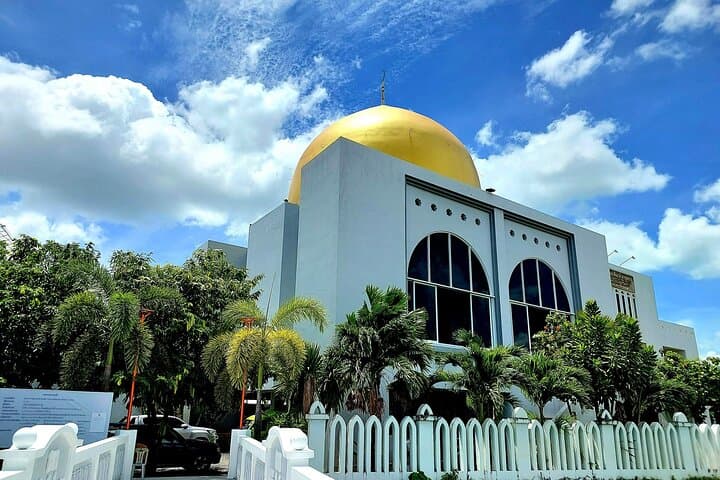
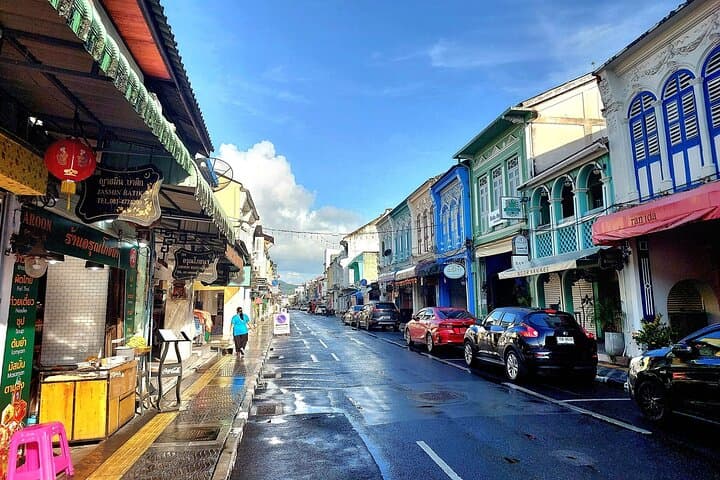
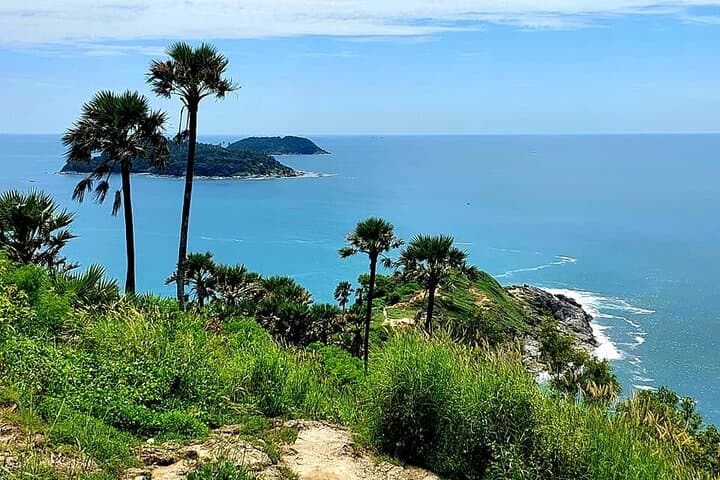
You step out of the air-conditioned van into humid salt-tinged air, palms brushing the sky while a local guide gestures toward a whitewashed mosque and a row of street-side halal stalls. The day moves at a deliberate coastal pace: a short climb to a promontory for a sweeping sea view, a stroll through an old market where tin-era shophouses still wear Chinese porcelain tiles, and a visit to a compact fishing village where boats bob like weathered toys.
Verified experiences and guided adventures in the surrounding area.
Operated by Gembira Tour · Phuket, Phuket Province
You step out of the air-conditioned van into humid salt-tinged air, palms brushing the sky while a local guide gestures toward a whitewashed mosque and a row of street-side halal stalls. The day moves at a deliberate coastal pace: a short climb to a promontory for a sweeping sea view, a stroll through an old market where tin-era shophouses still wear Chinese porcelain tiles, and a visit to a compact fishing village where boats bob like weathered toys.
Phuket’s story is visible on the streets—Chinese traders and Malay and Muslim communities shaped the island during the tin-mining boom of the 19th century. Geologically, the island is part of an uplifted peninsula with rocky headlands and sandy bays carved by currents; the south-facing Promthep Cape offers clear views of offshore islets formed from limestone and granite outcrops.
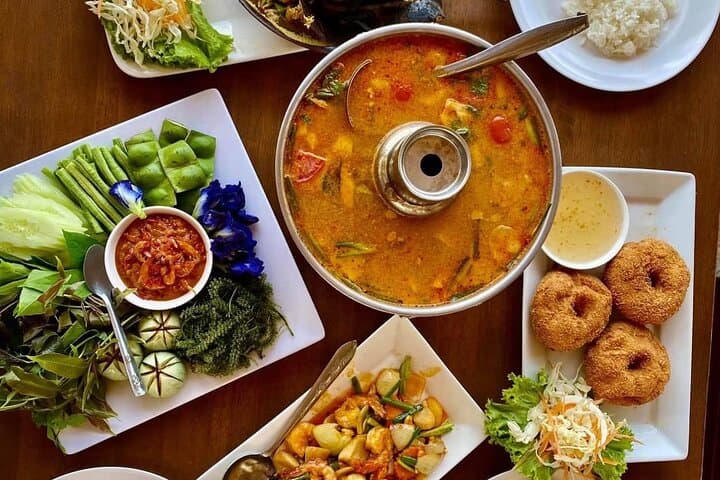
Cultural moments are woven into the route: a mosque visit where visitors can observe prayer etiquette, a local halal lunch of southern Thai flavors, and an encounter with the Moken (sea gypsy) community in Rawai. Expect short, easy walks, market browsing, and photo stops rather than strenuous hiking.
Practical guidance: bring modest clothing for mosque visits, carry a refillable water bottle, and plan this trip during the dry season (Nov–Feb) for calmer seas and clearer skies. Keep small bills for market purchases and allow extra time if you want to linger at viewpoints for sunset; boat excursions and some stops may be adjusted depending on weather and tides.
easy.
5 hours.
Suitable for most travelers with average fitness; involves short, flat walks and time in vehicle.
Yes—lunch on the tour is halal and prepared to fit Muslim dietary requirements.
Yes—visits include stops at a local mosque and prayer-friendly spaces; inform the operator when booking to allow time.
The tour involves short walks and some uneven surfaces; accessibility may be limited—check specific pickup and stop details with the operator.
The tour may be rescheduled or parts adjusted in heavy rain or rough seas; full refund rules apply if canceled 24 hours prior per policy.
Phuket grew wealthy during the 19th-century tin-mining boom and absorbed strong Chinese and Malay cultural influences, visible in architecture and cuisine.
Be mindful of marine conservation—avoid single-use plastics, don’t remove shells or coral, and support local businesses that follow sustainable practices.
Gembira Tour operates guided outdoor trips and adventures with an emphasis on safety, stewardship, and memorable experiences.
You step out of the air-conditioned van into humid salt-tinged air, palms brushing the sky while a local guide gestures toward a whitewashed mosque and a row of street-side halal stalls. The day moves at a deliberate coastal pace: a short climb to a promontory for a sweeping sea view, a stroll through an old market where tin-era shophouses still wear Chinese porcelain tiles, and a visit to a compact fishing village where boats bob like weathered toys.
You step out of the air-conditioned van into humid salt-tinged air, palms brushing the sky while a local guide gestures toward a whitewashed mosque and a row of street-side halal stalls. The day moves at a deliberate coastal pace: a short climb to a promontory for a sweeping sea view, a stroll through an old market where tin-era shophouses still wear Chinese porcelain tiles, and a visit to a compact fishing village where boats bob like weathered toys.
Phuket’s story is visible on the streets—Chinese traders and Malay and Muslim communities shaped the island during the tin-mining boom of the 19th century. Geologically, the island is part of an uplifted peninsula with rocky headlands and sandy bays carved by currents; the south-facing Promthep Cape offers clear views of offshore islets formed from limestone and granite outcrops.
Cultural moments are woven into the route: a mosque visit where visitors can observe prayer etiquette, a local halal lunch of southern Thai flavors, and an encounter with the Moken (sea gypsy) community in Rawai. Expect short, easy walks, market browsing, and photo stops rather than strenuous hiking.
Practical guidance: bring modest clothing for mosque visits, carry a refillable water bottle, and plan this trip during the dry season (Nov–Feb) for calmer seas and clearer skies. Keep small bills for market purchases and allow extra time if you want to linger at viewpoints for sunset; boat excursions and some stops may be adjusted depending on weather and tides.