THE ADVENTURE COLLECTIVE® · Independent discovery and booking for outdoor travel

Spend three focused hours in Phuket learning mandala drawing, Tibetan-lotus watercolor or dot-art. Small-group instruction and supplied materials make this a relaxed, creative introduction to mindful art.
Spend three focused hours in Phuket learning mandala drawing, Tibetan-lotus watercolor or dot-art. Small-group instruction and supplied materials make this a relaxed, creative introduction to mindful art.
You step off the busy main road into a cool studio where paper, ink and the quiet hum of focused breathing replace the island's traffic. Light filters through a small window; beyond it, palm fronds nod and a distant tide seems to insist that time slow. In three hours you move from simple guides and grids to a finished mandala — a compact, meditative landscape drawn by your hand.
Verified experiences and guided adventures in the surrounding area.
Operated by SriSom Art Healing Studio Phuket · Phuket Town, Phuket Province
You step off the busy main road into a cool studio where paper, ink and the quiet hum of focused breathing replace the island's traffic. Light filters through a small window; beyond it, palm fronds nod and a distant tide seems to insist that time slow. In three hours you move from simple guides and grids to a finished mandala — a compact, meditative landscape drawn by your hand.
Mandala-making carries roots in South and Central Asian religious practices, widely adapted into modern therapeutic art. In Phuket, a crossroads of Malay, Chinese and Thai cultures, mandala designs sit comfortably beside temple motifs and lacquered crafts. The island itself is a patchwork of granite hills and coastal plains shaped by million-year-old geology; that slow shaping echoes the slow, concentric rhythm of mandala work.
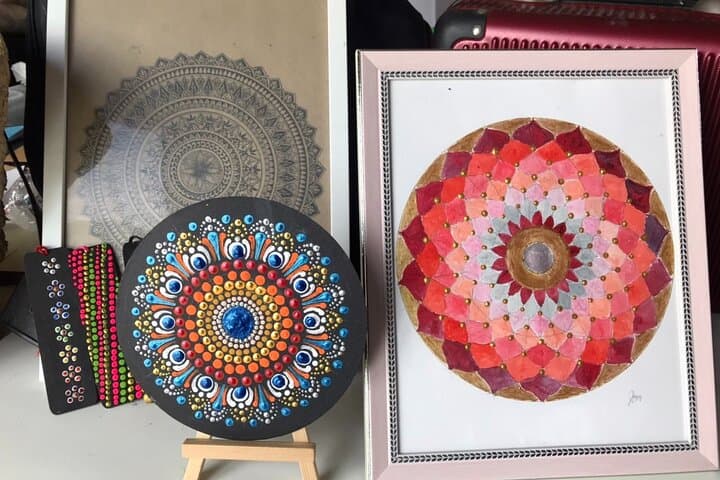
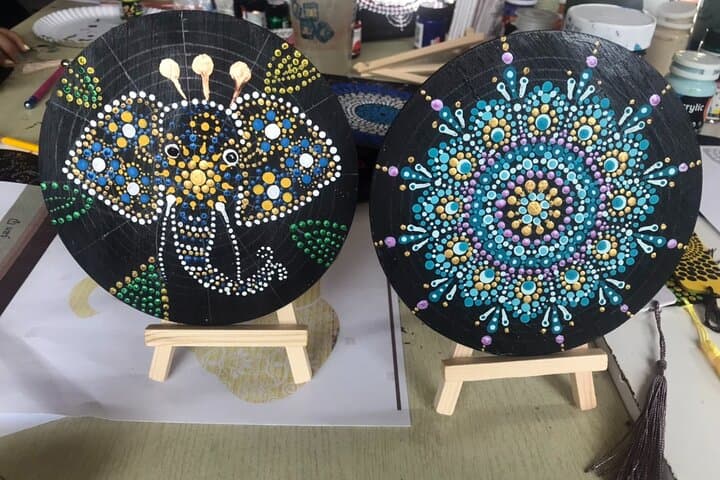
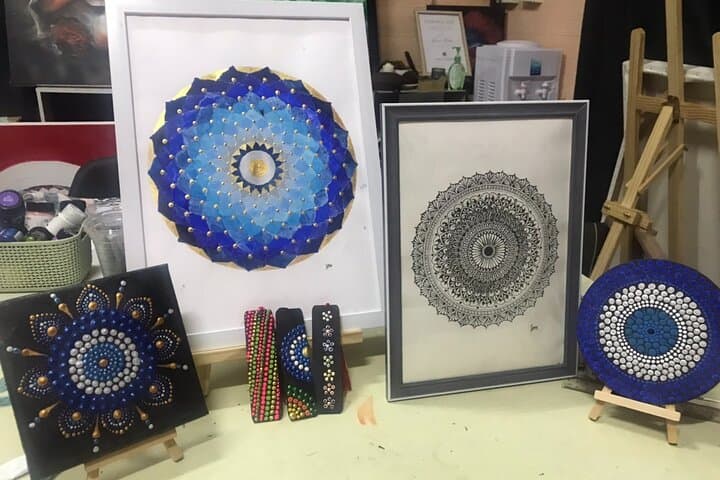
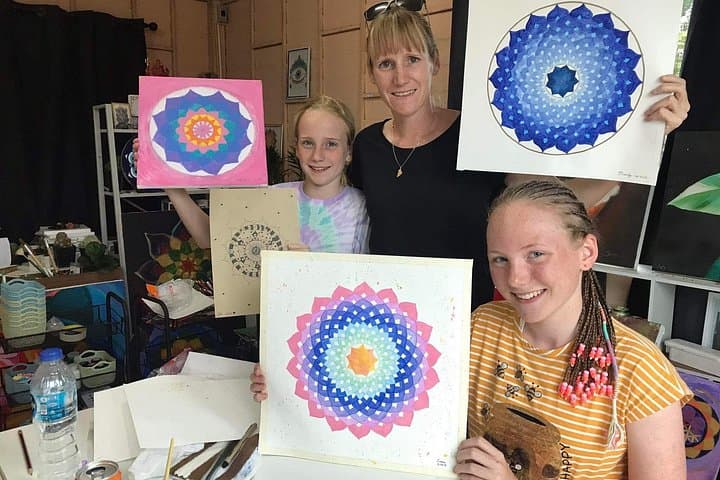
The studio offers three formats: basic ink drawing, Tibetan-lotus watercolor and dot-art on wood. All materials are provided, and instructors lead step-by-step pattern layout, grid construction and filling techniques so beginners finish with a framed A4 or small circular piece.
Practical guide: choose the format a day in advance, arrive 10–15 minutes early, and expect a small-group setting that encourages quiet concentration. Wear comfortable clothes you don’t mind ink on, bring a reference photo if you want a personal motif, and schedule this in the cooler morning or late-afternoon to avoid Phuket’s midday heat. Hydrate before class — the calm inside is best appreciated with a clear head — and leave with a tangible reminder of patience, pattern and place.
easy.
3 hours.
No physical fitness required; suitable for all ages and mobility levels
No — the workshop is designed for beginners and teaches step-by-step grid and pattern techniques.
Yes — paper, pens, paints, wood circles and frames (depending on the selected workshop) are included.
Children may join depending on age and attention span; check with the studio for age recommendations and booking requirements.
Full refunds are available if you cancel at least 24 hours before the scheduled start time; same-day cancellations are non-refundable.
Phuket grew as a trading and tin-mining hub with Chinese, Malay and European influences shaping its crafts and visual culture — a context that enriches local art workshops.
Studios here typically use small-batch paints and paper; bring reusable water bottles and avoid single-use plastics to reduce your footprint.
SriSom Art Healing Studio Phuket operates guided outdoor trips and adventures with an emphasis on safety, stewardship, and memorable experiences.
You step off the busy main road into a cool studio where paper, ink and the quiet hum of focused breathing replace the island's traffic. Light filters through a small window; beyond it, palm fronds nod and a distant tide seems to insist that time slow. In three hours you move from simple guides and grids to a finished mandala — a compact, meditative landscape drawn by your hand.
You step off the busy main road into a cool studio where paper, ink and the quiet hum of focused breathing replace the island's traffic. Light filters through a small window; beyond it, palm fronds nod and a distant tide seems to insist that time slow. In three hours you move from simple guides and grids to a finished mandala — a compact, meditative landscape drawn by your hand.
Mandala-making carries roots in South and Central Asian religious practices, widely adapted into modern therapeutic art. In Phuket, a crossroads of Malay, Chinese and Thai cultures, mandala designs sit comfortably beside temple motifs and lacquered crafts. The island itself is a patchwork of granite hills and coastal plains shaped by million-year-old geology; that slow shaping echoes the slow, concentric rhythm of mandala work.
The studio offers three formats: basic ink drawing, Tibetan-lotus watercolor and dot-art on wood. All materials are provided, and instructors lead step-by-step pattern layout, grid construction and filling techniques so beginners finish with a framed A4 or small circular piece.
Practical guide: choose the format a day in advance, arrive 10–15 minutes early, and expect a small-group setting that encourages quiet concentration. Wear comfortable clothes you don’t mind ink on, bring a reference photo if you want a personal motif, and schedule this in the cooler morning or late-afternoon to avoid Phuket’s midday heat. Hydrate before class — the calm inside is best appreciated with a clear head — and leave with a tangible reminder of patience, pattern and place.