THE ADVENTURE COLLECTIVE® · Independent discovery and booking for outdoor travel

Spend a half day at an ethical elephant sanctuary near Phuket where feeding and gentle nature walks replace riding and performances. Learn about welfare-focused care while observing elephants choose when and how to interact.
Spend a half day at an ethical elephant sanctuary near Phuket where feeding and gentle nature walks replace riding and performances. Learn about welfare-focused care while observing elephants choose when and how to interact.
You arrive on a shaded dirt track where the heat thins beneath a stand of tamarind and rubber trees, and the steady, deliberate rhythm of elephant steps sets the pace. Guides lead small groups into open enclosures where the animals decide the terms of every encounter—approach, eat, wallow. Trunks reach for offered bamboo; a cooling mud pool dares you to join the slow, wet celebration.
Verified experiences and guided adventures in the surrounding area.
Operated by Seava Travel · Phuket, Phuket Province
You arrive on a shaded dirt track where the heat thins beneath a stand of tamarind and rubber trees, and the steady, deliberate rhythm of elephant steps sets the pace. Guides lead small groups into open enclosures where the animals decide the terms of every encounter—approach, eat, wallow. Trunks reach for offered bamboo; a cooling mud pool dares you to join the slow, wet celebration.
Phuket’s sanctuary movement grew from efforts to remove working elephants from logging and entertainment industries, turning private lands into recovery spaces. The island’s low limestone ridges and coastal plains create pockets of secondary forest that sustain foraging herds; nearby Khao Phra Thaeo preserves older growth and freshwater streams that elephants use seasonally. Culturally, caretakers often come from generations of mahouts; modern sanctuaries emphasize behavior-based care and education rather than control or spectacle.
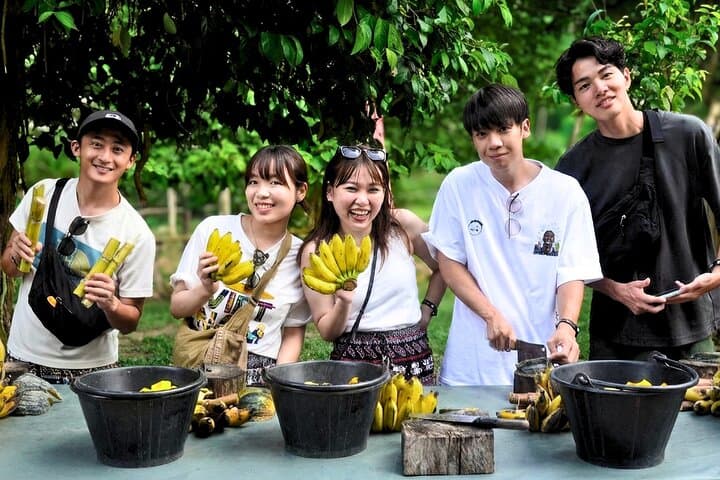
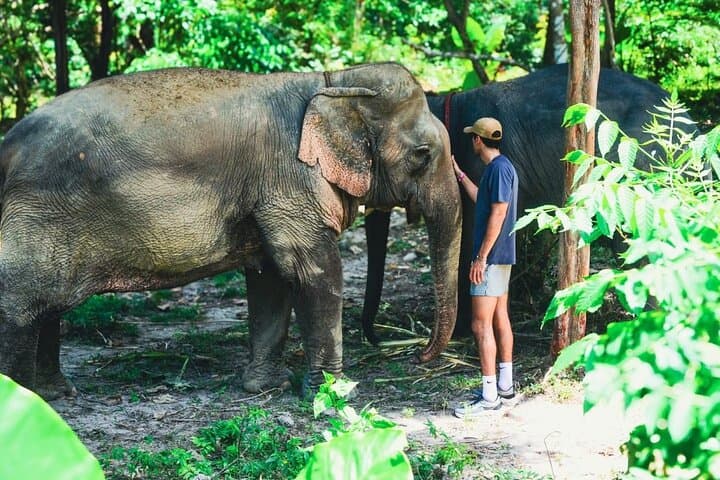
Practically, expect a structured, educational visit: an orientation, feeding session, and a gentle walk alongside elephants at their own pace. Interactions are observational and voluntary—no riding, chains, or hooks—so photo opportunities depend on the animals’ mood. Prepare for tropical sun and mud: breathable clothing, closed shoes you don’t mind dirtying, and a refillable water bottle. Walks are easy but can include uneven ground and shortcuts through soft soil.
This half-day format suits travelers who want meaningful, low-impact wildlife contact and a primer on responsible tourism in Thailand. Arrive with curiosity, follow staff guidance, and let the elephants decide the rhythm of the visit.
easy.
3 hours.
Suitable for light fitness—short, gentle walking on uneven ground; not strenuous
No—this program explicitly prohibits riding, shows, chains, or control tools; all interaction is voluntary and elephant-led.
Infants must sit on laps and activities are designed for light participation; check operator age limits for supervised access.
Some programs include transfers from Patong, Kata, and Karon; confirm your booking for pickup details or plan private transport to the sanctuary.
Yes—photography is permitted, but avoid flash and never approach an elephant if staff advise against it to protect both you and the animals.
Many sanctuary elephants were formerly used in logging or tourism; sanctuaries on Phuket grew from rehabilitation efforts to remove animals from exploitative work.
Responsible visits support on-the-ground welfare and habitat care; avoid operators that offer rides, performances, or coercive handling methods.
Seava Travel operates guided outdoor trips and adventures with an emphasis on safety, stewardship, and memorable experiences.
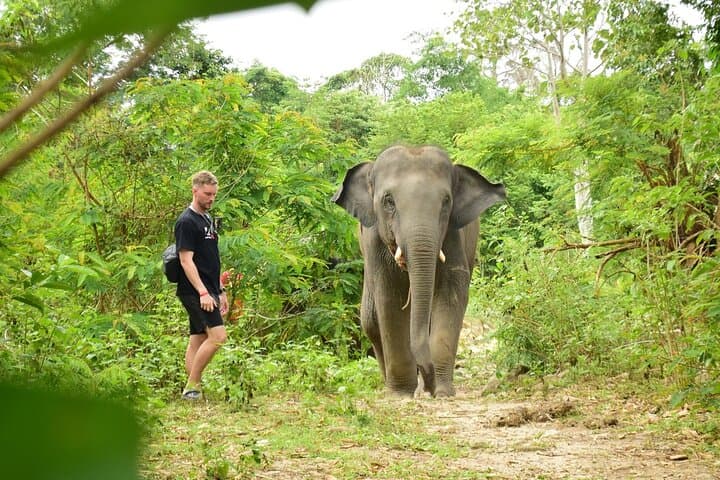
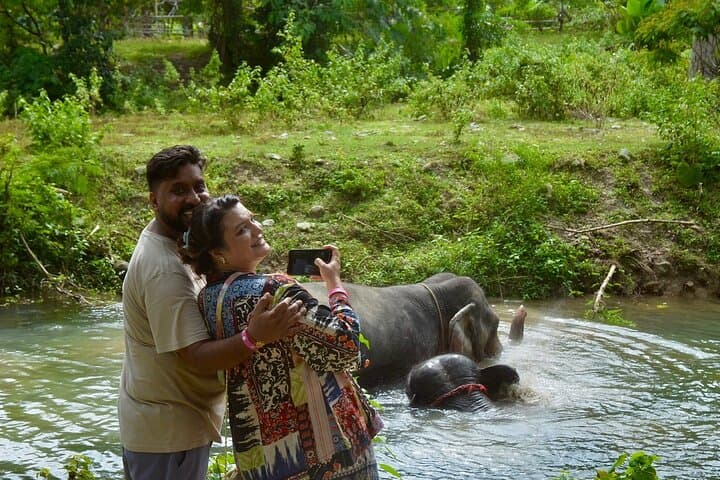
You arrive on a shaded dirt track where the heat thins beneath a stand of tamarind and rubber trees, and the steady, deliberate rhythm of elephant steps sets the pace. Guides lead small groups into open enclosures where the animals decide the terms of every encounter—approach, eat, wallow. Trunks reach for offered bamboo; a cooling mud pool dares you to join the slow, wet celebration.
You arrive on a shaded dirt track where the heat thins beneath a stand of tamarind and rubber trees, and the steady, deliberate rhythm of elephant steps sets the pace. Guides lead small groups into open enclosures where the animals decide the terms of every encounter—approach, eat, wallow. Trunks reach for offered bamboo; a cooling mud pool dares you to join the slow, wet celebration.
Phuket’s sanctuary movement grew from efforts to remove working elephants from logging and entertainment industries, turning private lands into recovery spaces. The island’s low limestone ridges and coastal plains create pockets of secondary forest that sustain foraging herds; nearby Khao Phra Thaeo preserves older growth and freshwater streams that elephants use seasonally. Culturally, caretakers often come from generations of mahouts; modern sanctuaries emphasize behavior-based care and education rather than control or spectacle.
Practically, expect a structured, educational visit: an orientation, feeding session, and a gentle walk alongside elephants at their own pace. Interactions are observational and voluntary—no riding, chains, or hooks—so photo opportunities depend on the animals’ mood. Prepare for tropical sun and mud: breathable clothing, closed shoes you don’t mind dirtying, and a refillable water bottle. Walks are easy but can include uneven ground and shortcuts through soft soil.
This half-day format suits travelers who want meaningful, low-impact wildlife contact and a primer on responsible tourism in Thailand. Arrive with curiosity, follow staff guidance, and let the elephants decide the rhythm of the visit.