THE ADVENTURE COLLECTIVE® · Independent discovery and booking for outdoor travel

Spend a careful, responsible half-day with rescued elephants at Nai Dee Sanctuary in Phuket. Learn about their behavior, feed by hand, and choose a mud spa or bathing session while supporting ethical care practices.
Spend a careful, responsible half-day with rescued elephants at Nai Dee Sanctuary in Phuket. Learn about their behavior, feed by hand, and choose a mud spa or bathing session while supporting ethical care practices.
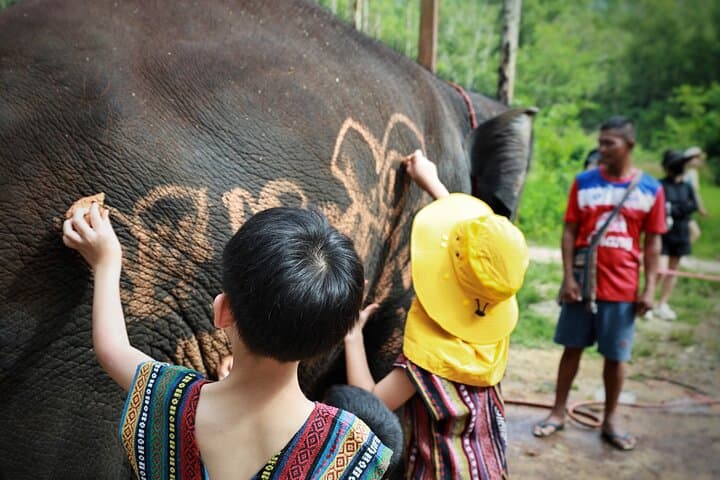
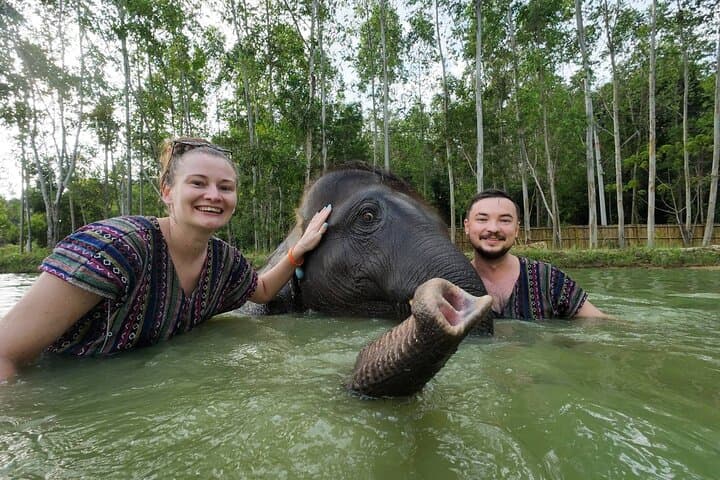
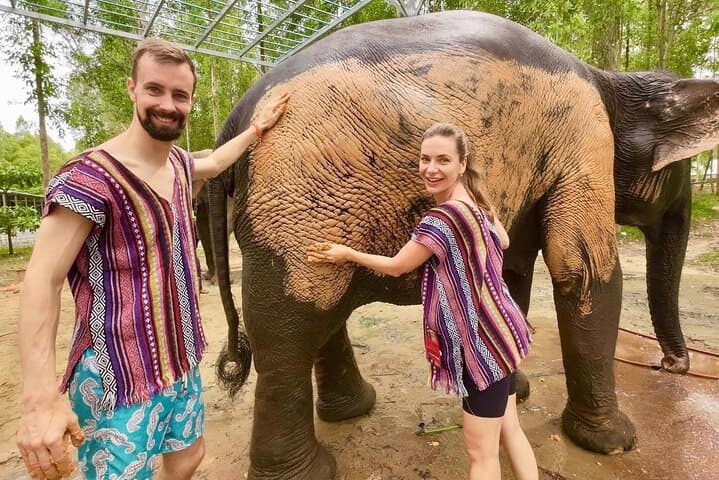
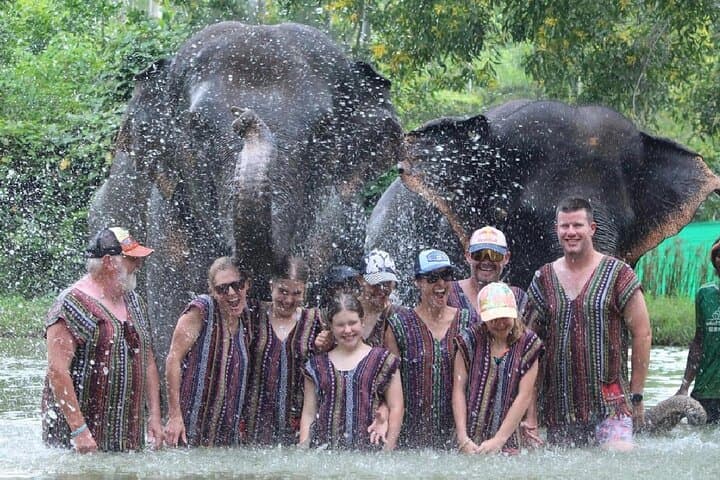
The morning opens with humid air and the low, patient breath of elephants moving through shady forest — trunks probing for snacks, ears fanning the heat. Visitors arrive from coastal hotels, step into a traditional shirt, and are briefed on respectful approaches: no riding, no chains, no performances. The sanctuary’s trees offer relief from the sun while the animals take the lead, investigating guests with gentle curiosity rather than trained tricks.
Verified experiences and guided adventures in the surrounding area.
Operated by OTO Trip Service · Phuket, Phuket
The morning opens with humid air and the low, patient breath of elephants moving through shady forest — trunks probing for snacks, ears fanning the heat. Visitors arrive from coastal hotels, step into a traditional shirt, and are briefed on respectful approaches: no riding, no chains, no performances. The sanctuary’s trees offer relief from the sun while the animals take the lead, investigating guests with gentle curiosity rather than trained tricks.
Phuket’s inland hills are old limestone and weathered tropical soils; the terrain here was shaped by sea level shifts and monsoon cycles that favor dense evergreen and dipterocarp stands. Local culture ties closely to elephants as working partners historically used in logging; this site reframes that relationship around care, recovery and cultural exchange — including a short Thai cooking segment that highlights regional flavors.
Expect hands-on feeding, optional mud spa and bathing time depending on program length, and staff-led explanations of elephant diet, social behavior and rehabilitation. Encounters emphasize observation ethics: keep voices low, avoid sudden movement, and follow keeper cues.
Practicalities: programs run about 2–4 hours with transfers from most Phuket hotels; wear quick-dry clothes and stable shoes you don’t mind getting wet. Sunscreen, insect protection and a small reusable water bottle make the visit more comfortable. Photography is allowed but staged poses and flash are discouraged. The experience suits families and travelers who want meaningful, low-impact contact with rescued elephants while supporting rehabilitation and education work in southern Thailand.
easy.
2–4 hours.
Suitable for most fitness levels; involves light walking on uneven ground and standing during brief sessions
Touching is allowed only when the keepers indicate an individual is comfortable; the sanctuary prioritizes animal-driven interactions and avoids forced contact.
Round-trip hotel transfers across Phuket are included in the program price as noted in the inclusions.
Yes—programs are family-friendly, but check age restrictions with the operator and supervise children closely around animals and water.
Avoid strong perfumes, plastic bags, and any flash photography; these can stress animals and degrade the experience.
Elephants in southern Thailand were traditionally used in logging and agriculture; sanctuaries in Phuket now focus on rehabilitation as those industries declined.
The sanctuary promotes rescue and rehabilitation over entertainment, supporting veterinary care and habitat restoration while encouraging visitor education to reduce demand for exploitative attractions.
OTO Trip Service operates guided outdoor trips and adventures with an emphasis on safety, stewardship, and memorable experiences.
The morning opens with humid air and the low, patient breath of elephants moving through shady forest — trunks probing for snacks, ears fanning the heat. Visitors arrive from coastal hotels, step into a traditional shirt, and are briefed on respectful approaches: no riding, no chains, no performances. The sanctuary’s trees offer relief from the sun while the animals take the lead, investigating guests with gentle curiosity rather than trained tricks.
The morning opens with humid air and the low, patient breath of elephants moving through shady forest — trunks probing for snacks, ears fanning the heat. Visitors arrive from coastal hotels, step into a traditional shirt, and are briefed on respectful approaches: no riding, no chains, no performances. The sanctuary’s trees offer relief from the sun while the animals take the lead, investigating guests with gentle curiosity rather than trained tricks.
Phuket’s inland hills are old limestone and weathered tropical soils; the terrain here was shaped by sea level shifts and monsoon cycles that favor dense evergreen and dipterocarp stands. Local culture ties closely to elephants as working partners historically used in logging; this site reframes that relationship around care, recovery and cultural exchange — including a short Thai cooking segment that highlights regional flavors.
Expect hands-on feeding, optional mud spa and bathing time depending on program length, and staff-led explanations of elephant diet, social behavior and rehabilitation. Encounters emphasize observation ethics: keep voices low, avoid sudden movement, and follow keeper cues.
Practicalities: programs run about 2–4 hours with transfers from most Phuket hotels; wear quick-dry clothes and stable shoes you don’t mind getting wet. Sunscreen, insect protection and a small reusable water bottle make the visit more comfortable. Photography is allowed but staged poses and flash are discouraged. The experience suits families and travelers who want meaningful, low-impact contact with rescued elephants while supporting rehabilitation and education work in southern Thailand.