THE ADVENTURE COLLECTIVE® · Independent discovery and booking for outdoor travel

Spend 90 minutes observing rescued elephants roam forest trails at a Hill Tribe elephant village near Phuket. This hands‑off, educational visit focuses on ethical observation—no rides or shows, just natural behavior and guided interpretation.
Spend 90 minutes observing rescued elephants roam forest trails at a Hill Tribe elephant village near Phuket. This hands‑off, educational visit focuses on ethical observation—no rides or shows, just natural behavior and guided interpretation.
You arrive beneath a high canopy where humidity presses softly against your skin and the low rumble of distant trunks punctuates the air. In this 90‑minute program at a Hill Tribe elephant village near Phuket, you stand back as elephants choose their path through shade and scrub, foraging, bathing, and interacting without fences or forced routines.
Verified experiences and guided adventures in the surrounding area.
Operated by MY Holiday Centre · Phuket, Phuket
You arrive beneath a high canopy where humidity presses softly against your skin and the low rumble of distant trunks punctuates the air. In this 90‑minute program at a Hill Tribe elephant village near Phuket, you stand back as elephants choose their path through shade and scrub, foraging, bathing, and interacting without fences or forced routines.
Thailand’s relationship with elephants is long and complicated: beasts of burden, royal companions, and now subjects of rehabilitation and sanctuary work. The sanctuary here focuses on rescue and care—animals retired from logging or tourism live in a semi‑wild setting where guides interpret their social behavior and individual histories.
Geologically, Phuket’s hills are granite and limestone, their soils supporting pockets of forest that elephants use as corridors; culturally, this experience links local hill‑tribe practitioners, mahout heritage, and contemporary conservation ethics.
Practically, expect slow walking on uneven jungle trails and river banks; the program is hands‑off and educational rather than interactive. Guides brief visitors on safety and photo etiquette—do not approach or feed animals. Morning slots are cooler and increase the chance of seeing bathing behavior; the rainy season can make trails slippery.
Bring a reusable water bottle, breathable shoes with good grip, sun protection, and insect repellent. Hotel transfer is usually included; follow pickup guidance. This is not a performance or ride; it’s a deliberate, small‑group chance to observe elephants making their own choices in a protected setting—quiet, respectful, and educational.
easy.
1.5 hours.
Suitable for most fitness levels; requires short, slow forest walks on uneven ground.
No—this is a hands‑off, observation program focused on elephant welfare; there are no rides or performances.
Hotel transfer is listed as included; confirm pickup point and time during booking and allow local traffic time.
Yes—photography is allowed but follow guide directions, avoid flash, and never use food to attract elephants for photos.
The visit is suitable for children and most fitness levels, but there is uneven terrain and no barriers; guests with limited mobility should check accessibility and notify the operator in advance.
Many elephants in Phuket sanctuaries were retired from logging or entertainment industries; sanctuaries here focus on rehabilitation and education rather than performances.
The sanctuary emphasizes non‑invasive care, education, and reduced human‑animal contact to minimize stress; visitors are asked to follow strict behavioral rules to support welfare.
MY Holiday Centre operates guided outdoor trips and adventures with an emphasis on safety, stewardship, and memorable experiences.
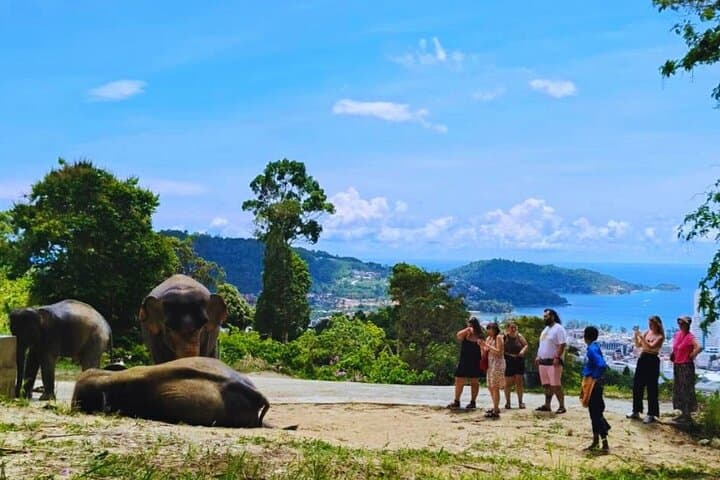
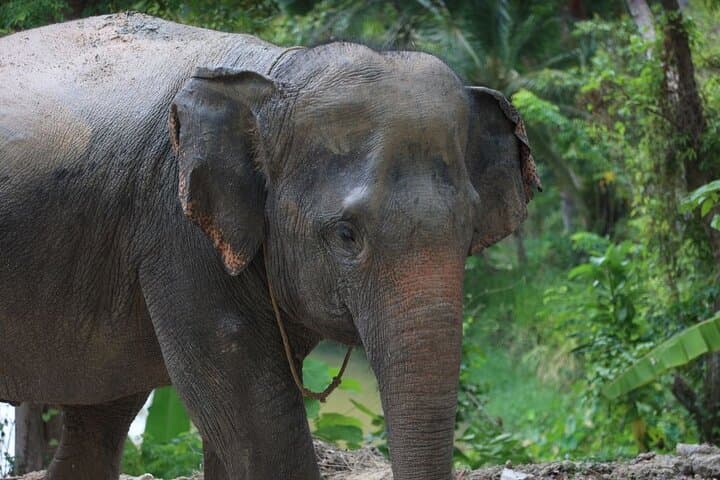
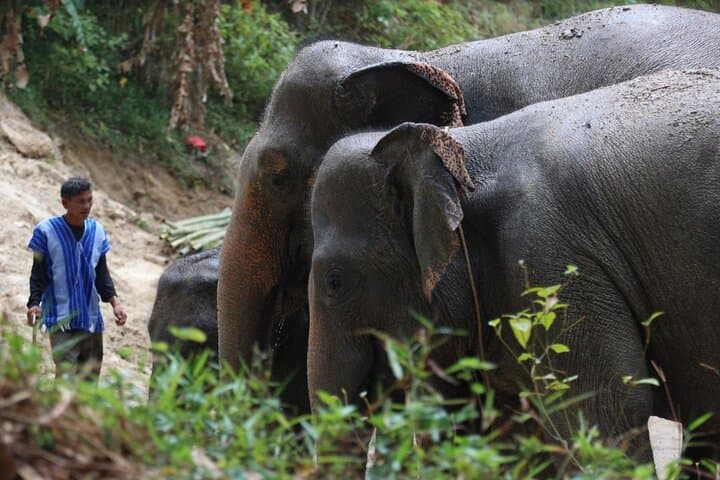
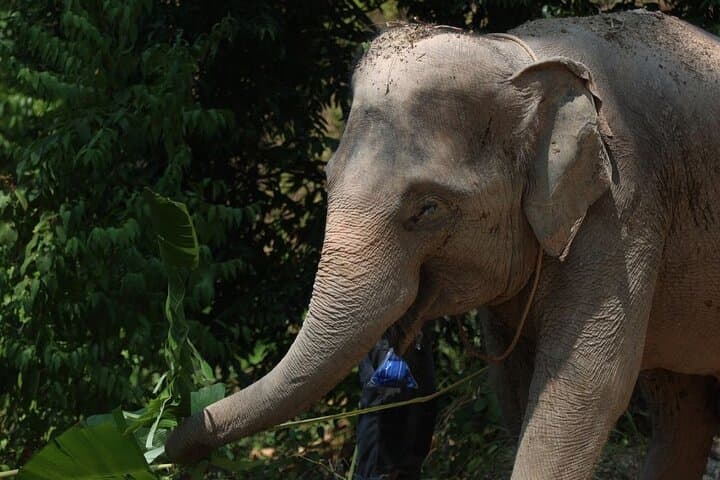
You arrive beneath a high canopy where humidity presses softly against your skin and the low rumble of distant trunks punctuates the air. In this 90‑minute program at a Hill Tribe elephant village near Phuket, you stand back as elephants choose their path through shade and scrub, foraging, bathing, and interacting without fences or forced routines.
You arrive beneath a high canopy where humidity presses softly against your skin and the low rumble of distant trunks punctuates the air. In this 90‑minute program at a Hill Tribe elephant village near Phuket, you stand back as elephants choose their path through shade and scrub, foraging, bathing, and interacting without fences or forced routines.
Thailand’s relationship with elephants is long and complicated: beasts of burden, royal companions, and now subjects of rehabilitation and sanctuary work. The sanctuary here focuses on rescue and care—animals retired from logging or tourism live in a semi‑wild setting where guides interpret their social behavior and individual histories.
Geologically, Phuket’s hills are granite and limestone, their soils supporting pockets of forest that elephants use as corridors; culturally, this experience links local hill‑tribe practitioners, mahout heritage, and contemporary conservation ethics.
Practically, expect slow walking on uneven jungle trails and river banks; the program is hands‑off and educational rather than interactive. Guides brief visitors on safety and photo etiquette—do not approach or feed animals. Morning slots are cooler and increase the chance of seeing bathing behavior; the rainy season can make trails slippery.
Bring a reusable water bottle, breathable shoes with good grip, sun protection, and insect repellent. Hotel transfer is usually included; follow pickup guidance. This is not a performance or ride; it’s a deliberate, small‑group chance to observe elephants making their own choices in a protected setting—quiet, respectful, and educational.