THE ADVENTURE COLLECTIVE® · Independent discovery and booking for outdoor travel

Observe rescued elephants from shaded platforms, learn about their cultural role, and join a Thai cooking demonstration for lunch. This three-hour sanctuary visit pairs wildlife education with hands-on culinary insight and round-trip transfers from Phuket.
Observe rescued elephants from shaded platforms, learn about their cultural role, and join a Thai cooking demonstration for lunch. This three-hour sanctuary visit pairs wildlife education with hands-on culinary insight and round-trip transfers from Phuket.
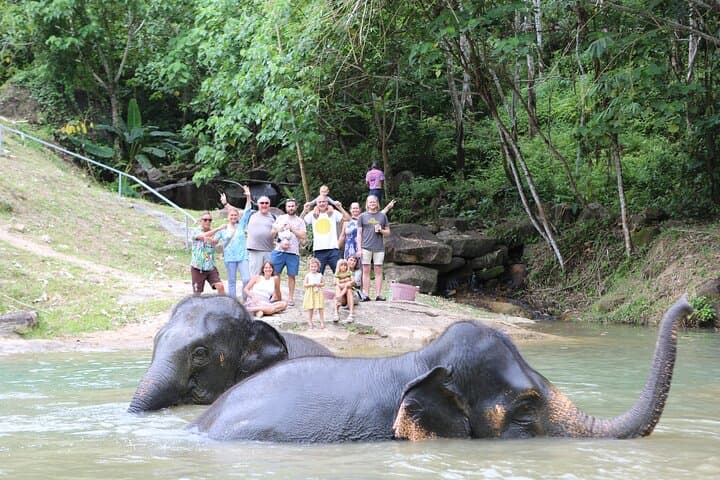
The morning light filters through the jungle canopy as a small convoy winds toward a shaded viewing platform where rescued elephants move with deliberate curiosity. Visitors arrive quiet, guided to watch rather than touch, and soon the animals—trunks busy with foraging, ears flicking at insects—act like hosts showing a slow, confident routine.
Verified experiences and guided adventures in the surrounding area.
Operated by Oh-Hoo · Phuket, Phuket
The morning light filters through the jungle canopy as a small convoy winds toward a shaded viewing platform where rescued elephants move with deliberate curiosity. Visitors arrive quiet, guided to watch rather than touch, and soon the animals—trunks busy with foraging, ears flicking at insects—act like hosts showing a slow, confident routine.
The sanctuary sits within southern Thailand’s seasonal dry forest, part of a broader response to the island’s long history of working elephants. In recent years ethical sanctuaries have replaced rides and performances with observation, rehabilitation, and community education. Your day pairs that conservation focus with a hands-on Thai cooking demonstration: learn to balance fish sauce, lime, and chilies, then sit for a simple meal of the dish you helped prepare.
Expect a three-hour program: welcome and orientation, guided observation from platforms a safe distance from the animals, and a short cooking session with seasonal produce. Guides explain elephant behavior—dust bathing, social grooming—and the sanctuary’s return-to-nature approach.
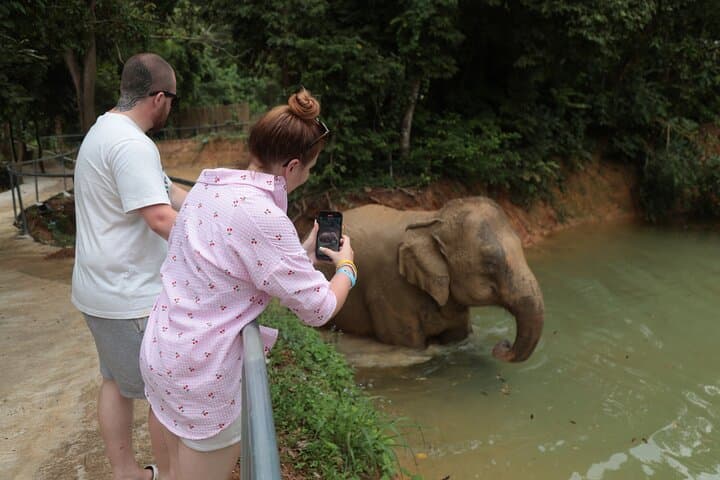
Practical notes: wear closed-toe shoes for uneven jungle paths, bring sun protection and insect repellent, and come hydrated—the climate is tropical year-round. Round-trip hotel transfers in Phuket are included; sessions run morning or afternoon and are family-friendly though not recommended for pregnant guests or those with serious back or heart issues. Photography is encouraged from the viewing area; feeding and direct contact are managed by handlers to protect both guests and elephants.
This is an experience aimed at observation, learning, and small-scale support for elephant welfare—part wildlife encounter, part cultural exchange, and all oriented toward ethical tourism.
easy.
3 hours.
Suitable for most fitness levels; involves short walks on uneven paths and standing on viewing platforms
No—this sanctuary emphasizes observation and rehabilitation; direct contact and riding are not permitted to protect animal welfare.
Yes—round-trip transfers from most areas in Phuket are included with the tour fare.
Children are welcome; tickets are available for ages 4–10, and children 0–3 may join free but must sit on a guardian’s lap as noted in the policy.
The site is wheelchair and stroller accessible for primary areas, but the experience is not recommended for pregnant guests or travelers with serious spinal or heart conditions.
Elephants hold deep cultural and historical significance in Thailand, and sanctuaries like this grew from efforts to end riding and performance-based tourism while rehabilitating animals rescued from the logging and entertainment trades.
The sanctuary focuses on observation-based tourism, habitat restoration, and public education—supporting ethical wildlife encounters that reduce stress on animals and promote long-term welfare.
Oh-Hoo operates guided outdoor trips and adventures with an emphasis on safety, stewardship, and memorable experiences.
The morning light filters through the jungle canopy as a small convoy winds toward a shaded viewing platform where rescued elephants move with deliberate curiosity. Visitors arrive quiet, guided to watch rather than touch, and soon the animals—trunks busy with foraging, ears flicking at insects—act like hosts showing a slow, confident routine.
The morning light filters through the jungle canopy as a small convoy winds toward a shaded viewing platform where rescued elephants move with deliberate curiosity. Visitors arrive quiet, guided to watch rather than touch, and soon the animals—trunks busy with foraging, ears flicking at insects—act like hosts showing a slow, confident routine.
The sanctuary sits within southern Thailand’s seasonal dry forest, part of a broader response to the island’s long history of working elephants. In recent years ethical sanctuaries have replaced rides and performances with observation, rehabilitation, and community education. Your day pairs that conservation focus with a hands-on Thai cooking demonstration: learn to balance fish sauce, lime, and chilies, then sit for a simple meal of the dish you helped prepare.
Expect a three-hour program: welcome and orientation, guided observation from platforms a safe distance from the animals, and a short cooking session with seasonal produce. Guides explain elephant behavior—dust bathing, social grooming—and the sanctuary’s return-to-nature approach.
Practical notes: wear closed-toe shoes for uneven jungle paths, bring sun protection and insect repellent, and come hydrated—the climate is tropical year-round. Round-trip hotel transfers in Phuket are included; sessions run morning or afternoon and are family-friendly though not recommended for pregnant guests or those with serious back or heart issues. Photography is encouraged from the viewing area; feeding and direct contact are managed by handlers to protect both guests and elephants.
This is an experience aimed at observation, learning, and small-scale support for elephant welfare—part wildlife encounter, part cultural exchange, and all oriented toward ethical tourism.