THE ADVENTURE COLLECTIVE® · Independent discovery and booking for outdoor travel

Spend an intentional afternoon with rescued Asian elephants on 30 acres bordering Khao Phra Thaeo National Park. This guided, educational visit focuses on observation, veterinary care, and ethical tourism—perfect for travelers who want meaningful wildlife encounters.
Spend an intentional afternoon with rescued Asian elephants on 30 acres bordering Khao Phra Thaeo National Park. This guided, educational visit focuses on observation, veterinary care, and ethical tourism—perfect for travelers who want meaningful wildlife encounters.
Late-afternoon light filters through tall tamarind and dipterocarp trees as a herd ambles toward a shallow bathing pool—slim trunks and broad leaves leaning like curious onlookers. At Phuket Elephant Sanctuary, rescued Asian elephants move at their own pace across 30 acres on the island’s northeast flank, edging Khao Phra Thaeo National Park. The place feels deliberate: veterinary clinics tucked behind foliage, canopy walkways suspended above leaf litter, and staff whose work is as much caretaking as choreography.
Verified experiences and guided adventures in the surrounding area.
Operated by Phuket Elephant Sanctuary · Phuket, Phuket
Late-afternoon light filters through tall tamarind and dipterocarp trees as a herd ambles toward a shallow bathing pool—slim trunks and broad leaves leaning like curious onlookers. At Phuket Elephant Sanctuary, rescued Asian elephants move at their own pace across 30 acres on the island’s northeast flank, edging Khao Phra Thaeo National Park. The place feels deliberate: veterinary clinics tucked behind foliage, canopy walkways suspended above leaf litter, and staff whose work is as much caretaking as choreography.
The sanctuary grew out of Thailand’s shift away from ridden elephants and logging, buying retired and injured animals so they can live out their lives in a quieter landscape. Geology here is old limestone and laterite soils that feed the shallow streams where elephants bathe; culturally, visitors learn how centuries of human-elephant relations are changing—from labor and tourism to rehabilitation.
Visitors join a guided walk across the canopy walkway, watch an educational documentary, and share a vegetarian buffet while learning about individual elephants’ stories. The experience is conversational, not performative: guests watch, photograph respectfully, and surrender the urge to touch unless a keeper invites interaction.
Practical guidance: plan for a roughly 3.5-hour afternoon visit; wear sturdy, closed shoes for uneven trails; bring a refill bottle (bottled water is provided) and insect repellent; pack a lightweight rain jacket during monsoon months. Arrive with an open mind and basic camera manners—no flash—and you’ll leave with a clearer sense of ethical wildlife tourism and the slow rhythms of these animals’ days.
easy.
3–4 hours.
Light walking fitness; suitable for most ability levels including families and older travelers
Yes—paths and main viewing areas are designed to accommodate wheelchairs and strollers; notify the operator in advance for assistance.
Yes—families are welcome; activities are educational and the program is suitable for children who can follow safety instructions.
No—this sanctuary prohibits riding and unsupervised feeding; interactions occur only under staff supervision to prioritize elephant welfare.
Yes—a vegetarian buffet, snacks, iced soda and bottled water are included as part of the afternoon program.
The sanctuary acquired retired and rescued elephants to offer a non-exploitative alternative to riding and performances, reflecting a broader shift in Thai wildlife tourism.
The operation emphasizes veterinary care, lifetime sanctuary for rescued animals and visitor education to reduce demand for exploitative elephant activities.
Phuket Elephant Sanctuary operates guided outdoor trips and adventures with an emphasis on safety, stewardship, and memorable experiences.
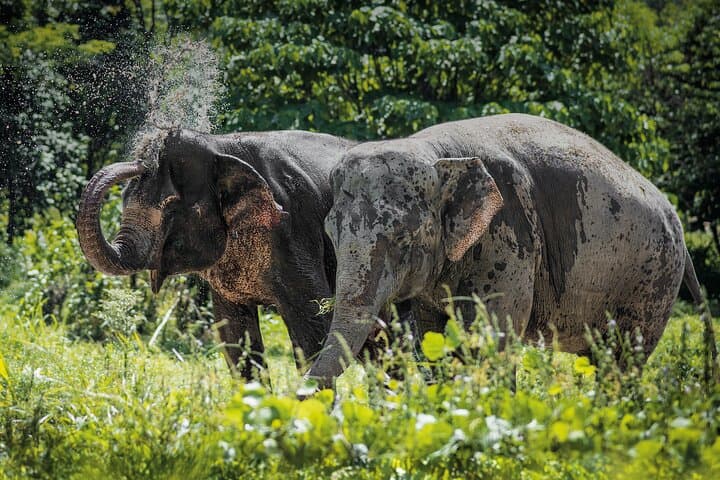
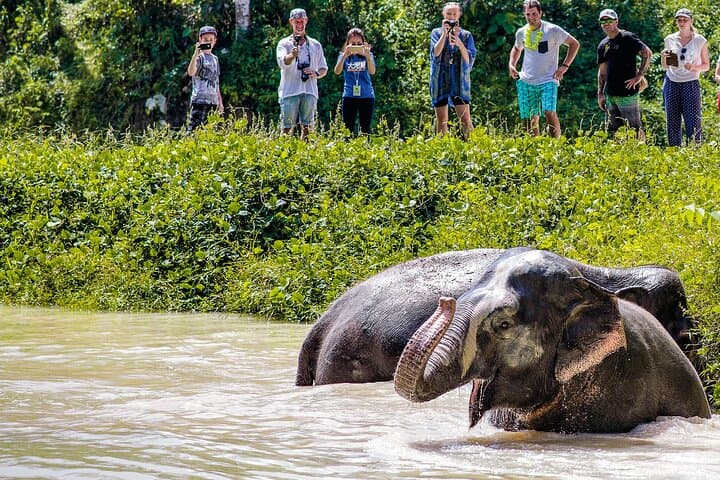
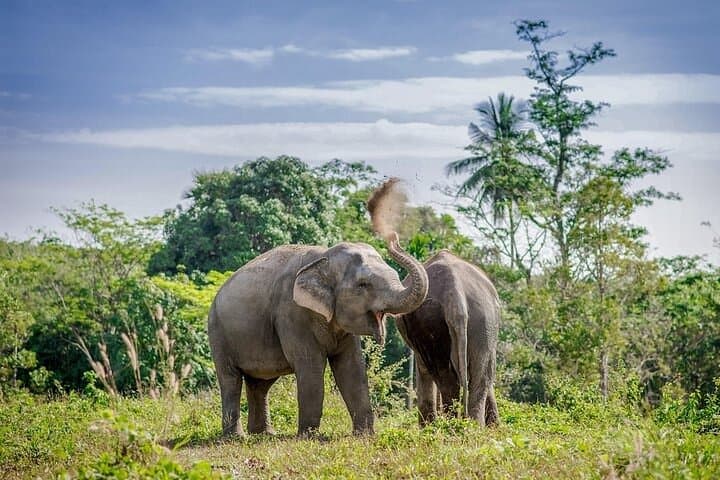
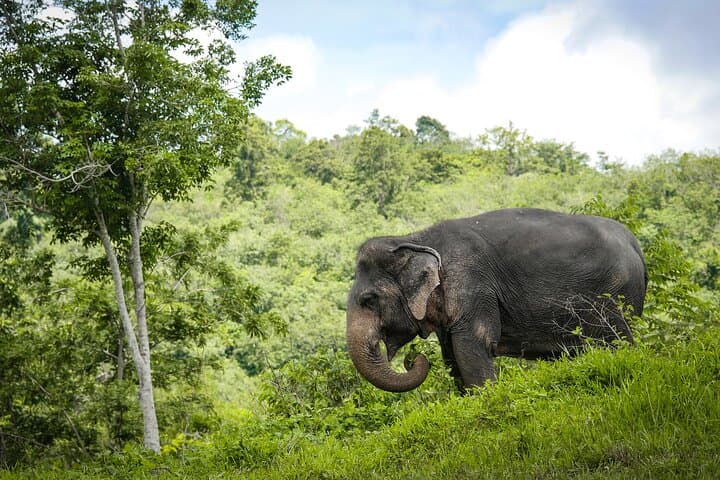
Late-afternoon light filters through tall tamarind and dipterocarp trees as a herd ambles toward a shallow bathing pool—slim trunks and broad leaves leaning like curious onlookers. At Phuket Elephant Sanctuary, rescued Asian elephants move at their own pace across 30 acres on the island’s northeast flank, edging Khao Phra Thaeo National Park. The place feels deliberate: veterinary clinics tucked behind foliage, canopy walkways suspended above leaf litter, and staff whose work is as much caretaking as choreography.
Late-afternoon light filters through tall tamarind and dipterocarp trees as a herd ambles toward a shallow bathing pool—slim trunks and broad leaves leaning like curious onlookers. At Phuket Elephant Sanctuary, rescued Asian elephants move at their own pace across 30 acres on the island’s northeast flank, edging Khao Phra Thaeo National Park. The place feels deliberate: veterinary clinics tucked behind foliage, canopy walkways suspended above leaf litter, and staff whose work is as much caretaking as choreography.
The sanctuary grew out of Thailand’s shift away from ridden elephants and logging, buying retired and injured animals so they can live out their lives in a quieter landscape. Geology here is old limestone and laterite soils that feed the shallow streams where elephants bathe; culturally, visitors learn how centuries of human-elephant relations are changing—from labor and tourism to rehabilitation.
Visitors join a guided walk across the canopy walkway, watch an educational documentary, and share a vegetarian buffet while learning about individual elephants’ stories. The experience is conversational, not performative: guests watch, photograph respectfully, and surrender the urge to touch unless a keeper invites interaction.
Practical guidance: plan for a roughly 3.5-hour afternoon visit; wear sturdy, closed shoes for uneven trails; bring a refill bottle (bottled water is provided) and insect repellent; pack a lightweight rain jacket during monsoon months. Arrive with an open mind and basic camera manners—no flash—and you’ll leave with a clearer sense of ethical wildlife tourism and the slow rhythms of these animals’ days.