THE ADVENTURE COLLECTIVE® · Independent discovery and booking for outdoor travel

Spend three observational hours with rehabilitated elephants at Freedom Elephant Reserve in Phuket. Feed, watch mud baths and river play, and learn the animals’ stories in an ethical, observation-first setting.
Spend three observational hours with rehabilitated elephants at Freedom Elephant Reserve in Phuket. Feed, watch mud baths and river play, and learn the animals’ stories in an ethical, observation-first setting.
You meet them at the feed station—slow, deliberate trunks peeling fruit from your outstretched basket, small puffs of dust rising as they shuffle forward. The reserve lets the animals set the pace; you watch rather than command, photographing quiet moments between trunks and river. The mud wall and riverbank become a stage where elephants scratch, cool and play, their movements measured and surprisingly playful.
Verified experiences and guided adventures in the surrounding area.
Operated by Freedom Elephant Reserve Phuket · Phuket, Phuket
You meet them at the feed station—slow, deliberate trunks peeling fruit from your outstretched basket, small puffs of dust rising as they shuffle forward. The reserve lets the animals set the pace; you watch rather than command, photographing quiet moments between trunks and river. The mud wall and riverbank become a stage where elephants scratch, cool and play, their movements measured and surprisingly playful.
Phuket’s western coastal plain sits on older granite and younger sedimentary deposits, with pockets of secondary forest that the reserve protects. Historically, Thailand’s elephants were integral to logging and rural life; over the last decades many sites have shifted from working camps to sanctuaries focused on rehabilitation and observation. Local culture still honors the elephant—seen in festivals and crafts—while communities around the reserve balance tourism and traditional livelihoods.
This guided program lasts about three hours and pairs a short, informative talk with supervised feeding, a mud rub, and riverside observation. The experience is observation-first: no riding, no forced tricks. Guides explain individual elephants’ histories and behavior, and you’ll learn why mud baths matter for skin health and parasite control.
Practicalities: wear quick-dry clothing and closed-toe shoes you don’t mind getting wet or muddy. Bring sun protection, a waterproof cover for electronics, and a small tip for staff if you appreciate the interpretation. Transport is typically provided for groups; lone guests should confirm pickup or plan onward transfers. To make the most of the visit, arrive rested, keep a respectful distance unless invited, and listen to guides—this keeps both you and the elephants comfortable.
easy.
3 hours.
Suitable for all fitness levels; requires short, mostly flat walking and standing periods
Interaction is supervised; guests can feed and may be invited to observe close-up, but touching is managed by guides to protect both visitors and animals.
Transport is offered for bookings of two or more guests; solo travelers are usually responsible for getting to the reserve or must confirm shared transport options.
Yes, the program is family-friendly, but children should be supervised and kept at safe distances as directed by guides.
Basic refreshments such as bottled water, coffee and tea are typically included; confirm dietary needs in advance if you require specific meals.
Elephants in southern Thailand historically worked in logging and transport; recent shifts toward rehabilitation and sanctuary models reflect growing conservation awareness.
The reserve emphasizes observation-only interactions, limited group sizes and education to reduce stress on animals and support long-term rehabilitation efforts.
Freedom Elephant Reserve Phuket operates guided outdoor trips and adventures with an emphasis on safety, stewardship, and memorable experiences.
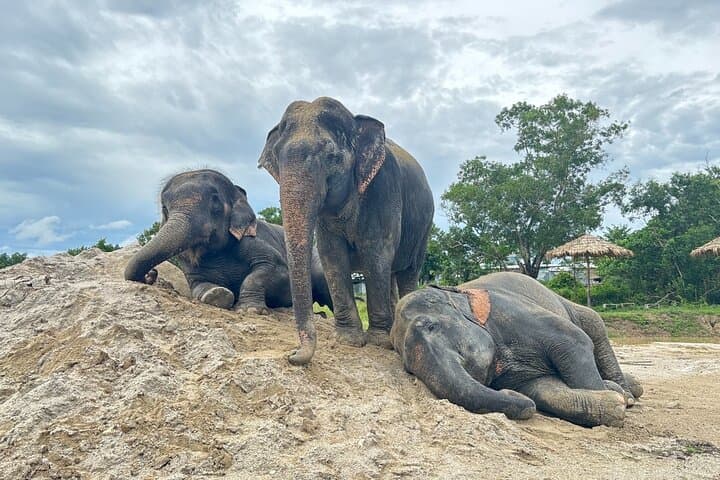
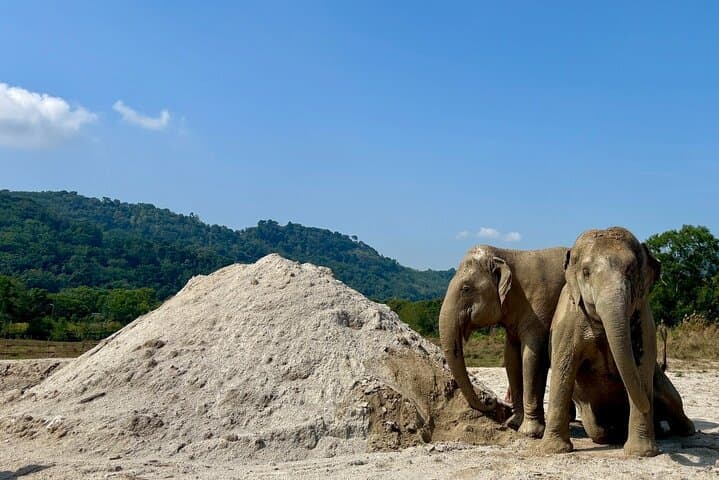
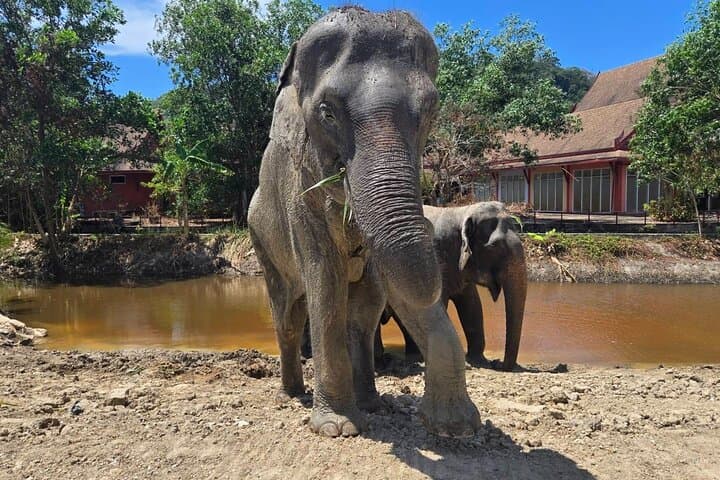
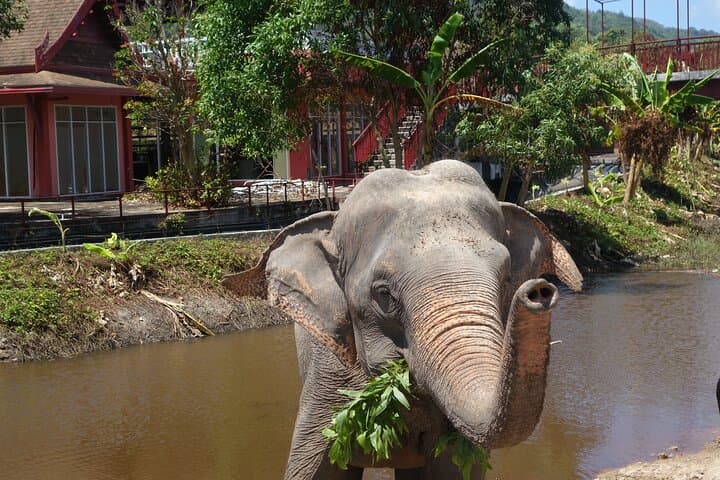
You meet them at the feed station—slow, deliberate trunks peeling fruit from your outstretched basket, small puffs of dust rising as they shuffle forward. The reserve lets the animals set the pace; you watch rather than command, photographing quiet moments between trunks and river. The mud wall and riverbank become a stage where elephants scratch, cool and play, their movements measured and surprisingly playful.
You meet them at the feed station—slow, deliberate trunks peeling fruit from your outstretched basket, small puffs of dust rising as they shuffle forward. The reserve lets the animals set the pace; you watch rather than command, photographing quiet moments between trunks and river. The mud wall and riverbank become a stage where elephants scratch, cool and play, their movements measured and surprisingly playful.
Phuket’s western coastal plain sits on older granite and younger sedimentary deposits, with pockets of secondary forest that the reserve protects. Historically, Thailand’s elephants were integral to logging and rural life; over the last decades many sites have shifted from working camps to sanctuaries focused on rehabilitation and observation. Local culture still honors the elephant—seen in festivals and crafts—while communities around the reserve balance tourism and traditional livelihoods.
This guided program lasts about three hours and pairs a short, informative talk with supervised feeding, a mud rub, and riverside observation. The experience is observation-first: no riding, no forced tricks. Guides explain individual elephants’ histories and behavior, and you’ll learn why mud baths matter for skin health and parasite control.
Practicalities: wear quick-dry clothing and closed-toe shoes you don’t mind getting wet or muddy. Bring sun protection, a waterproof cover for electronics, and a small tip for staff if you appreciate the interpretation. Transport is typically provided for groups; lone guests should confirm pickup or plan onward transfers. To make the most of the visit, arrive rested, keep a respectful distance unless invited, and listen to guides—this keeps both you and the elephants comfortable.