THE ADVENTURE COLLECTIVE® · Independent discovery and booking for outdoor travel

Spend a half day observing rescued elephants live freely at an accredited Phuket sanctuary. This hands-off program combines animal education, a Thai cooking demo and a look at dung recycling in a natural jungle setting.
Spend a half day observing rescued elephants live freely at an accredited Phuket sanctuary. This hands-off program combines animal education, a Thai cooking demo and a look at dung recycling in a natural jungle setting.
Early light lifts a humid veil from the jungle and the trunks of the herd become slow-moving columns in a green room. At Phuket Elephant Nature Reserve the day begins with quiet observation: mahouts and vets move through the clearing while elephants forage, wallow in natural ponds and socialize on their own terms.
Verified experiences and guided adventures in the surrounding area.
Operated by Phuket Elephant Nature Reserve · Phuket, Phuket Province
Early light lifts a humid veil from the jungle and the trunks of the herd become slow-moving columns in a green room. At Phuket Elephant Nature Reserve the day begins with quiet observation: mahouts and vets move through the clearing while elephants forage, wallow in natural ponds and socialize on their own terms.
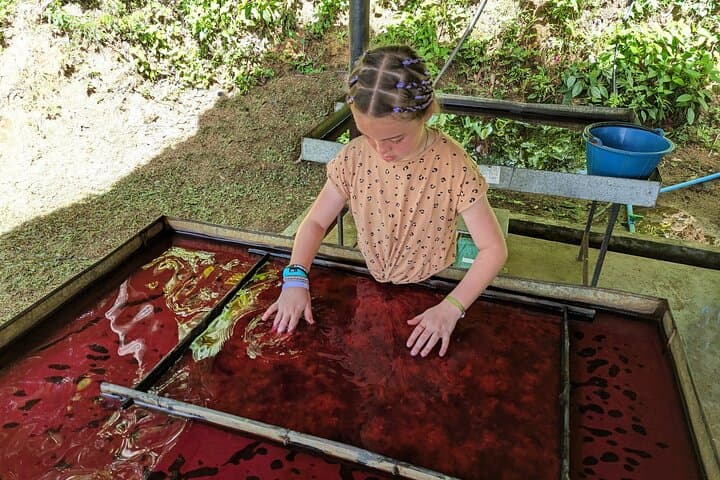
The site sits within Phuket’s low hills formed by eroded limestone outcrops and coastal plain soils; the landscape that shapes the reserve has long supported rice, rubber and small-scale farming before conservation shifted land use toward protected habitats. The sanctuary connects to local culture through its Thai cooking demo and community projects—visitors learn not only elephant behavior but also dung recycling and village livelihoods tied to the animals.
This is a hands-off program: guests watch, prepare vitamin balls, and observe bathing from a distance while trained staff handle direct care. Expect structured briefings, an educational walkthrough about rescue and rehabilitation, and a simple Thai lunch after the activity.
Practical guidance: arrive with lightweight, quick-dry clothing and closed-toe shoes for muddy trails; insect repellent and sun protection are essential. The program runs about 3–4 hours, suitable for most fitness levels, and operates year-round though heavy monsoon rain can make paths slippery. Respect the sanctuary rules—no feeding or touching—and follow staff instructions at all times to protect both people and elephants. Leave cameras ready but set to silent: the best moments here are observed, not staged.
easy.
3–4 hours.
Suitable for most fitness levels; involves short walks on uneven, sometimes muddy terrain and standing during briefings.
No; this sanctuary operates a strict hands-off policy—only mahouts and veterinary staff handle the elephants for care and treatment.
Yes; the half-day program is family-friendly but children should be supervised and follow the same viewing rules as adults.
The sanctuary runs year-round; heavy monsoon conditions can make paths slippery and some activities may be modified for safety.
Yes; the half-day program includes a Thai cooking demonstration and a simple lunch as part of the itinerary.
The site moved from agricultural land toward sanctuary status as rescue and rehabilitation efforts for working elephants increased in Thailand; the reserve emphasizes social grouping and veterinary care.
The sanctuary focuses on non-contact rescue and rehabilitation, community education, and dung recycling to reduce waste and provide alternative livelihoods for local residents.
Phuket Elephant Nature Reserve operates guided outdoor trips and adventures with an emphasis on safety, stewardship, and memorable experiences.
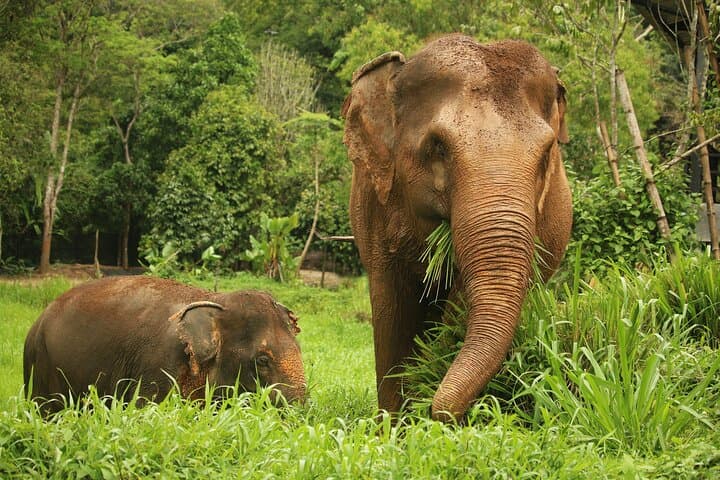
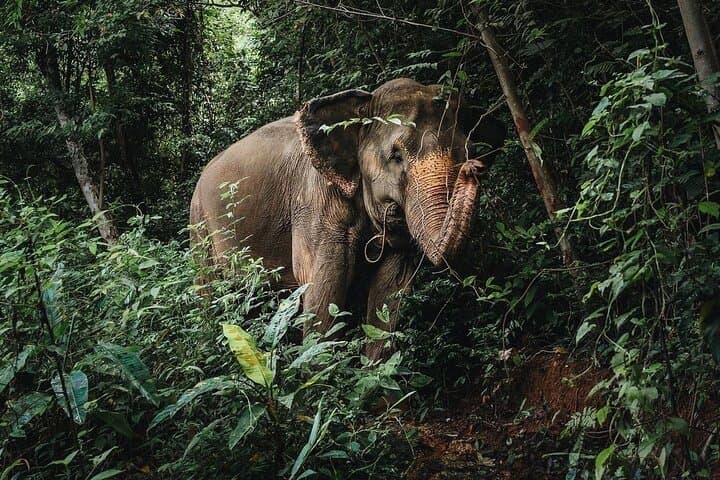
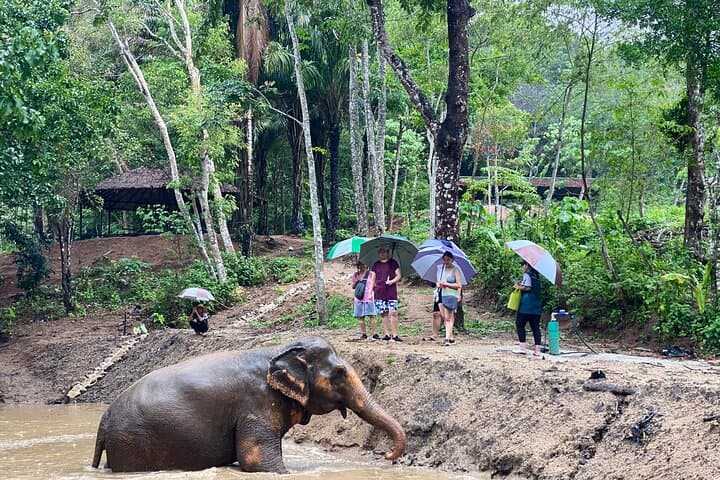
Early light lifts a humid veil from the jungle and the trunks of the herd become slow-moving columns in a green room. At Phuket Elephant Nature Reserve the day begins with quiet observation: mahouts and vets move through the clearing while elephants forage, wallow in natural ponds and socialize on their own terms.
Early light lifts a humid veil from the jungle and the trunks of the herd become slow-moving columns in a green room. At Phuket Elephant Nature Reserve the day begins with quiet observation: mahouts and vets move through the clearing while elephants forage, wallow in natural ponds and socialize on their own terms.
The site sits within Phuket’s low hills formed by eroded limestone outcrops and coastal plain soils; the landscape that shapes the reserve has long supported rice, rubber and small-scale farming before conservation shifted land use toward protected habitats. The sanctuary connects to local culture through its Thai cooking demo and community projects—visitors learn not only elephant behavior but also dung recycling and village livelihoods tied to the animals.
This is a hands-off program: guests watch, prepare vitamin balls, and observe bathing from a distance while trained staff handle direct care. Expect structured briefings, an educational walkthrough about rescue and rehabilitation, and a simple Thai lunch after the activity.
Practical guidance: arrive with lightweight, quick-dry clothing and closed-toe shoes for muddy trails; insect repellent and sun protection are essential. The program runs about 3–4 hours, suitable for most fitness levels, and operates year-round though heavy monsoon rain can make paths slippery. Respect the sanctuary rules—no feeding or touching—and follow staff instructions at all times to protect both people and elephants. Leave cameras ready but set to silent: the best moments here are observed, not staged.