THE ADVENTURE COLLECTIVE® · Independent discovery and booking for outdoor travel

Walk a local market at dawn, then learn to cook five classic Thai dishes in a bright shophouse kitchen. This compact, hands‑on workshop pairs ingredient knowledge with practical technique for immediate, delicious results.
Walk a local market at dawn, then learn to cook five classic Thai dishes in a bright shophouse kitchen. This compact, hands‑on workshop pairs ingredient knowledge with practical technique for immediate, delicious results.
The morning market wakes before the kitchen does: vendors call out over baskets of bright herbs, chilies glitter under fluorescent lights, and the sharp, citrus scent of kaffir lime dares you closer. A short tuk‑tuk ride later you step into a bright orange shophouse where the Pum Thai open kitchen hums—pots clang, a friendly chef sketches sauces on a board, and the day's lesson begins.
Verified experiences and guided adventures in the surrounding area.
Operated by Oh-Hoo · Phuket, Phuket
The morning market wakes before the kitchen does: vendors call out over baskets of bright herbs, chilies glitter under fluorescent lights, and the sharp, citrus scent of kaffir lime dares you closer. A short tuk‑tuk ride later you step into a bright orange shophouse where the Pum Thai open kitchen hums—pots clang, a friendly chef sketches sauces on a board, and the day's lesson begins.
Phuket's food reflects its maritime position and multicultural past—Chinese traders, Malay neighbors and European merchants have all left flavors and techniques here. Ingredients you’ll handle are products of the Andaman coast and limestone soil: fresh prawns, coconut cream, palm sugar, galangal and the ever-present fish sauce. The market walk introduces provenance—how sellers sort fish, select herbs and price spices—before class transitions to hands‑on cooking: five dishes chosen by the group, from a spicy papaya salad to a creamy coconut curry.
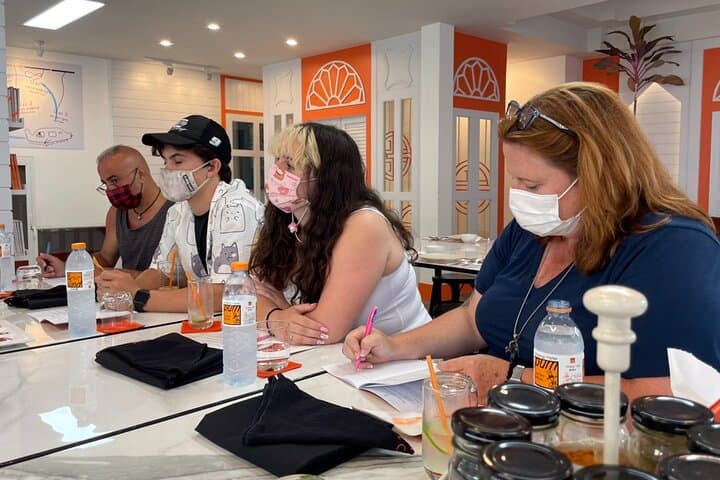
Practicalities are straightforward: classes run about four hours, start midmorning, and cap at roughly ten students. You'll stand, stir and plate; lessons include recipe cards and tea or water. Bring a camera, wear closed shoes for market surfaces, and flag dietary needs in advance—vegetarian and milder options are commonly accommodated. Cash is useful for small market buys; bargaining is light and friendly.
The payoff is immediate: a lunch you made, new techniques to replicate, and a clearer sense of Phuket beyond beaches—its kitchens and people that keep the island's flavors alive.
easy.
4 hours.
Light fitness—comfortable standing for several hours and short walks through the market; no special conditioning required
Yes—many recipes can be adapted using tofu, vegetable stock and mushrooms; indicate dietary requirements when booking so instructors prepare alternatives.
No—classes are designed for beginners and intermediate cooks with step‑by‑step instruction and hands‑on support.
Pickup is offered from central Patong areas in some bookings (typically around 10:00am); check your reservation for pickup options or plan to meet at the school around 11:00am.
Yes—a recipe book or printed recipes are included so you can reproduce dishes after the class.
Phuket’s cuisine evolved from a mix of Chinese tin‑mining communities, Malay coastal trade and Southern Thai ingredients; the island’s markets reflect that layered heritage.
Support local vendors, avoid single‑use plastics at market stalls when possible, and don’t feed wildlife—human food harms local animals and alters their behavior.
Oh-Hoo operates guided outdoor trips and adventures with an emphasis on safety, stewardship, and memorable experiences.
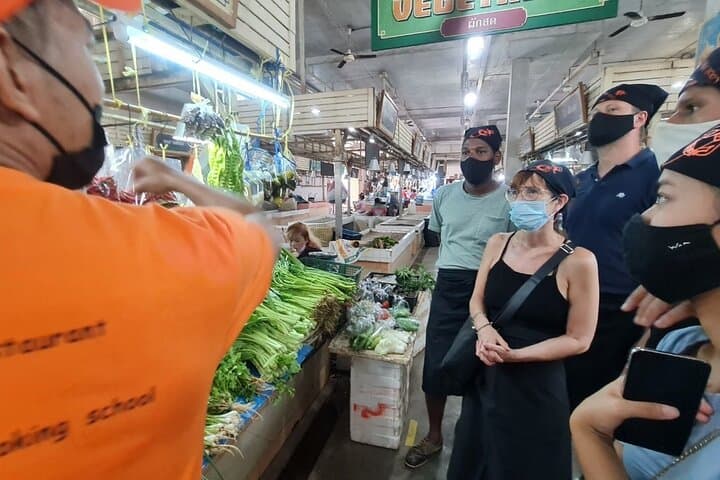
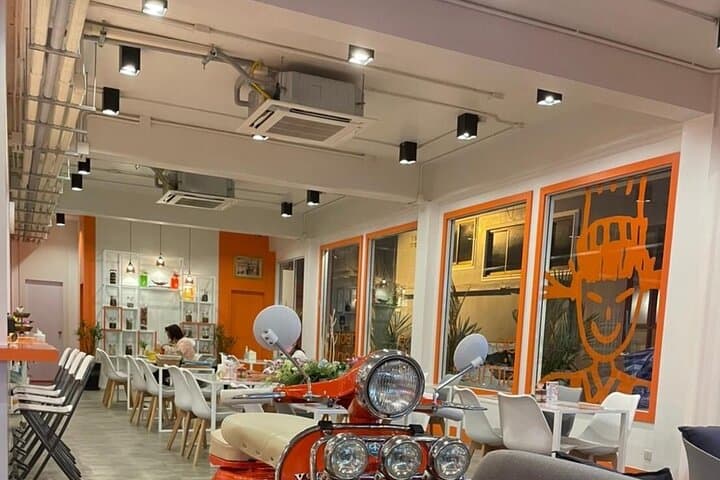
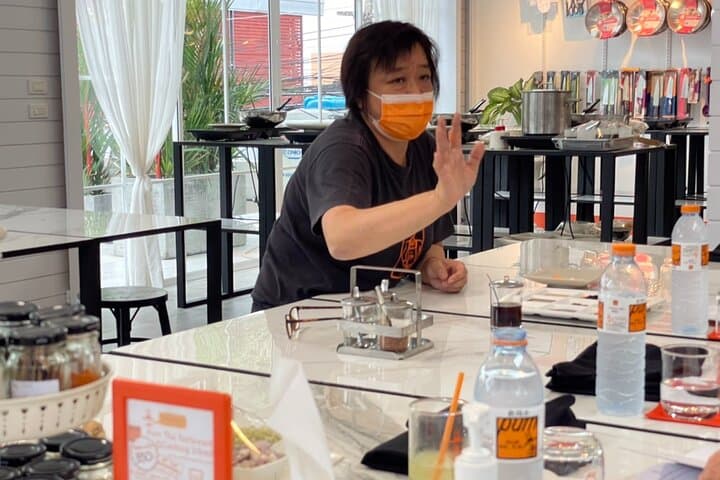
The morning market wakes before the kitchen does: vendors call out over baskets of bright herbs, chilies glitter under fluorescent lights, and the sharp, citrus scent of kaffir lime dares you closer. A short tuk‑tuk ride later you step into a bright orange shophouse where the Pum Thai open kitchen hums—pots clang, a friendly chef sketches sauces on a board, and the day's lesson begins.
The morning market wakes before the kitchen does: vendors call out over baskets of bright herbs, chilies glitter under fluorescent lights, and the sharp, citrus scent of kaffir lime dares you closer. A short tuk‑tuk ride later you step into a bright orange shophouse where the Pum Thai open kitchen hums—pots clang, a friendly chef sketches sauces on a board, and the day's lesson begins.
Phuket's food reflects its maritime position and multicultural past—Chinese traders, Malay neighbors and European merchants have all left flavors and techniques here. Ingredients you’ll handle are products of the Andaman coast and limestone soil: fresh prawns, coconut cream, palm sugar, galangal and the ever-present fish sauce. The market walk introduces provenance—how sellers sort fish, select herbs and price spices—before class transitions to hands‑on cooking: five dishes chosen by the group, from a spicy papaya salad to a creamy coconut curry.
Practicalities are straightforward: classes run about four hours, start midmorning, and cap at roughly ten students. You'll stand, stir and plate; lessons include recipe cards and tea or water. Bring a camera, wear closed shoes for market surfaces, and flag dietary needs in advance—vegetarian and milder options are commonly accommodated. Cash is useful for small market buys; bargaining is light and friendly.
The payoff is immediate: a lunch you made, new techniques to replicate, and a clearer sense of Phuket beyond beaches—its kitchens and people that keep the island's flavors alive.