THE ADVENTURE COLLECTIVE® · Independent discovery and booking for outdoor travel

Small-group scientific snorkeling off Phu Quoc visits lesser-known coral sites with underwater guides, timed for light and conditions. Expect focused reef time, expert briefings, and a quiet island stop with fresh fruit.
Small-group scientific snorkeling off Phu Quoc visits lesser-known coral sites with underwater guides, timed for light and conditions. Expect focused reef time, expert briefings, and a quiet island stop with fresh fruit.
A pale, warm light cuts across the Gulf of Thailand as the speedboat slips away from Duong Dong harbor. Salt and diesel mix with the bright tang of citrus offered on board; below, water changes from aquamarine to deep green, and reefs appear as dark ridges under the surface—places the boat calls Coral Mountain, Half-moon Reef and Coral Hill.
Verified experiences and guided adventures in the surrounding area.
Operated by OnBird Phu Quoc · Duong Dong, Kien Giang Province
A pale, warm light cuts across the Gulf of Thailand as the speedboat slips away from Duong Dong harbor. Salt and diesel mix with the bright tang of citrus offered on board; below, water changes from aquamarine to deep green, and reefs appear as dark ridges under the surface—places the boat calls Coral Mountain, Half-moon Reef and Coral Hill.
Phu Quoc’s reefs sit at the edge of the island’s shelf, shaped by sea-level shifts and coral growth over millennia. The northern reefs here show varied structure—gentler slopes and steep bommies—hosting branching and boulder corals. Locally the island’s culture is tied to the sea: longlines, fish sauce vats, and small fishing villages that still land their catch at dawn.
This small-group, science-forward snorkeling trip emphasizes reef health: no fish-feeding, timed dives for optimal light and visibility, and an underwater guide who points out coral formations and reef fish behavior. Expect a 1.5–2 hour snorkeling window across two sites, basic safety briefings in shallow water, and time afterward on a quiet islet with fresh fruit.
Practical edge: bring reef-safe sunscreen, a snug mask and basic sea-sickness remedies. Swim ability matters more than fitness; guides carry flotation and tailor the pace to the group. Photography is best on calm mornings when sunlight penetrates and currents ease—your underwater guide will position the group for safety and sightlines.
The experience is part natural history lesson, part conservation practice: you won’t just see reefs—you’ll understand why they matter and how to move through them without harm.
easy.
5–6 hours.
Light fitness required; participants should be comfortable in open water and able to swim modest distances using a mask and snorkel.
No; trips are suitable for beginners who can swim. Briefings occur in shallow, calm water and guides stay close to assist.
No cooked lunch is provided to reduce pollution; the itinerary includes fresh fruit and juice after snorkeling, and hotel pickup/drop‑off is included.
Yes—high‑quality, sterilized masks, semi‑dry snorkels, adjustable fins and flotation devices are provided and fitted by staff.
The operator cancels for unsafe or poor conditions; full refunds are available if you cancel at least 24 hours before departure per the standard policy.
Phu Quoc’s maritime culture centers on small‑scale fishing and the long tradition of fish‑sauce production; reefs historically supported local fisheries.
The tour avoids fish‑feeding and adjusts sites by water conditions to minimize impact; guests are asked to use reef‑safe products and avoid touching corals.
OnBird Phu Quoc operates guided outdoor trips and adventures with an emphasis on safety, stewardship, and memorable experiences.
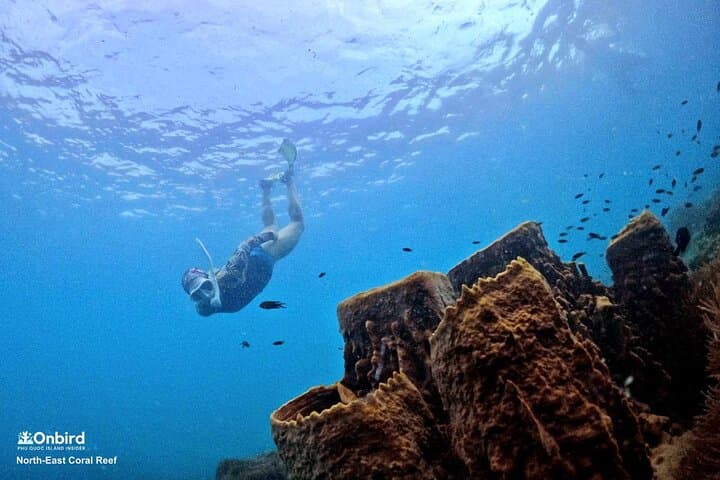
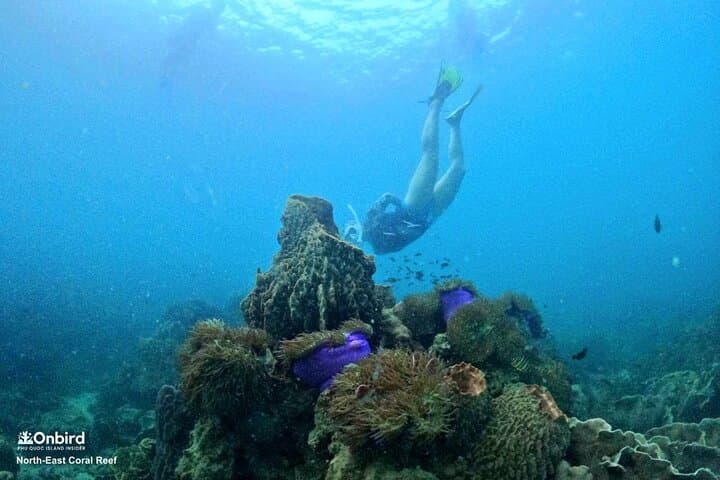
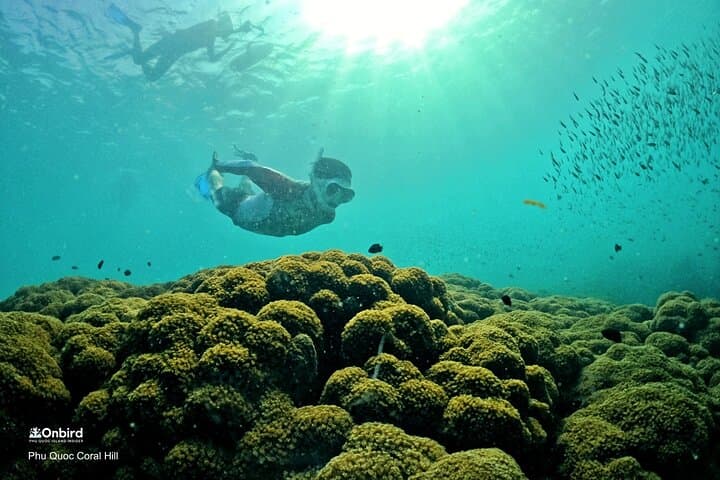
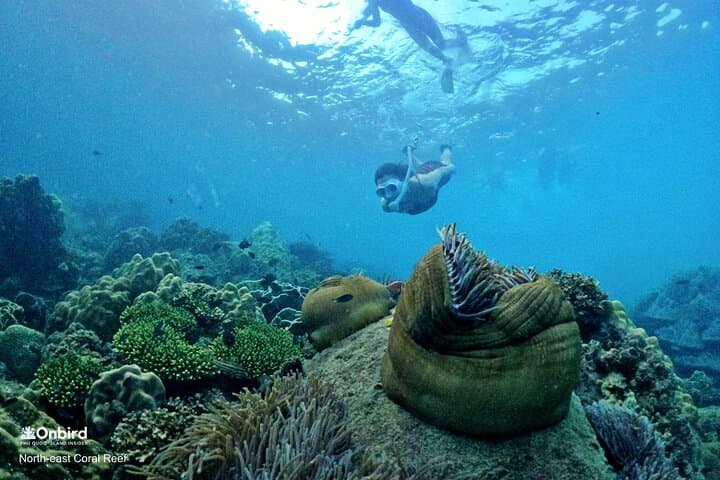
A pale, warm light cuts across the Gulf of Thailand as the speedboat slips away from Duong Dong harbor. Salt and diesel mix with the bright tang of citrus offered on board; below, water changes from aquamarine to deep green, and reefs appear as dark ridges under the surface—places the boat calls Coral Mountain, Half-moon Reef and Coral Hill.
A pale, warm light cuts across the Gulf of Thailand as the speedboat slips away from Duong Dong harbor. Salt and diesel mix with the bright tang of citrus offered on board; below, water changes from aquamarine to deep green, and reefs appear as dark ridges under the surface—places the boat calls Coral Mountain, Half-moon Reef and Coral Hill.
Phu Quoc’s reefs sit at the edge of the island’s shelf, shaped by sea-level shifts and coral growth over millennia. The northern reefs here show varied structure—gentler slopes and steep bommies—hosting branching and boulder corals. Locally the island’s culture is tied to the sea: longlines, fish sauce vats, and small fishing villages that still land their catch at dawn.
This small-group, science-forward snorkeling trip emphasizes reef health: no fish-feeding, timed dives for optimal light and visibility, and an underwater guide who points out coral formations and reef fish behavior. Expect a 1.5–2 hour snorkeling window across two sites, basic safety briefings in shallow water, and time afterward on a quiet islet with fresh fruit.
Practical edge: bring reef-safe sunscreen, a snug mask and basic sea-sickness remedies. Swim ability matters more than fitness; guides carry flotation and tailor the pace to the group. Photography is best on calm mornings when sunlight penetrates and currents ease—your underwater guide will position the group for safety and sightlines.
The experience is part natural history lesson, part conservation practice: you won’t just see reefs—you’ll understand why they matter and how to move through them without harm.