THE ADVENTURE COLLECTIVE® · Independent discovery and booking for outdoor travel

Paddle mangrove channels, taste fresh honey, swim among starfish and watch Cambodia’s coastline from Ganh Dau in a single, action-packed day on northern Phu Quoc. This guided tour combines easy kayaking with village culture and beach time for a full-day island snapshot.
Paddle mangrove channels, taste fresh honey, swim among starfish and watch Cambodia’s coastline from Ganh Dau in a single, action-packed day on northern Phu Quoc. This guided tour combines easy kayaking with village culture and beach time for a full-day island snapshot.
You push off from a quiet bank of the Cua Can River and the island exhales around you — mangrove roots tracing the current, kingfishers slicing the light. The tour threads together contrasting ingredients of northern Phu Quoc: tight mangrove channels for easy paddling, a working bee farm that smells of citrus and amber honey, a traditional fishing village with roped boats and seasonal starfish flats, and a rocky cape that lets you look toward Cambodia on a clear day.
Verified experiences and guided adventures in the surrounding area.
Operated by Authentic Travel HOI AN · Duong Dong, Kien Giang
You push off from a quiet bank of the Cua Can River and the island exhales around you — mangrove roots tracing the current, kingfishers slicing the light. The tour threads together contrasting ingredients of northern Phu Quoc: tight mangrove channels for easy paddling, a working bee farm that smells of citrus and amber honey, a traditional fishing village with roped boats and seasonal starfish flats, and a rocky cape that lets you look toward Cambodia on a clear day.
Phu Quoc’s geology is mostly limestone and metamorphic outcrops with volcanic sediments offshore; that mix creates sheltered bays and clear reefs. The island’s history is maritime and agricultural — fishermen, pepper growers and artisanal fish-sauce makers have shaped the coast for generations, while recent tourism adds a new layer of boat traffic and conservation focus.
Expect a largely flat, low-elevation day with short paddling sections (suitable for beginners), easy village walks, and a short forest visit in the island’s primeval patch. The guide-led itinerary includes pickup in Duong Dong, an educational stop at the bee farm, guided kayaking on Cua Can, lunch and swimming at Rach Vem, then photos at Ganh Dau.
Practical edge: bring reef-safe sunscreen, a waterproof bag, and water shoes for rocky shore entries; keep hydrated in the tropical heat and avoid handling starfish or disturbing marine life. Timing mornings for calmer seas and avoiding peak sun hours will make the kayak stretches more comfortable. This is a full-day, mixed water-and-land outing that gives a compact, tangible sense of northern Phu Quoc’s landscapes and livelihoods.
moderate.
7–8 hours.
Suitable for people with normal fitness; paddling segments are beginner-friendly but require basic upper-body stamina and balance.
No — guides provide instruction and the river sections are suitable for beginners; basic fitness helps with longer paddling sets.
Yes; low-tide flats often reveal colorful starfish but you should not touch or remove them from the water to avoid harm.
Pickup from Duong Dong hotels is included; locations outside downtown may incur an additional fee—confirm at booking.
Yes — vegetarian and other dietary needs can be arranged if advised in advance.
Phu Quoc has long been a fishing and pepper-producing island at Vietnam’s southwestern edge, with a maritime culture shaped by proximity to mainland Kien Giang and Cambodia.
Local operators emphasize protecting shallow reefs and starfish flats — avoid touching marine life, use reef-safe products, and follow guide instructions to reduce impact.
Authentic Travel HOI AN operates guided outdoor trips and adventures with an emphasis on safety, stewardship, and memorable experiences.
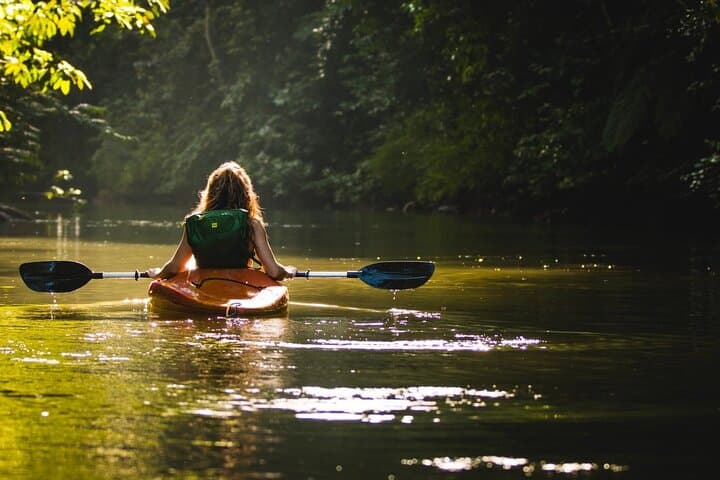
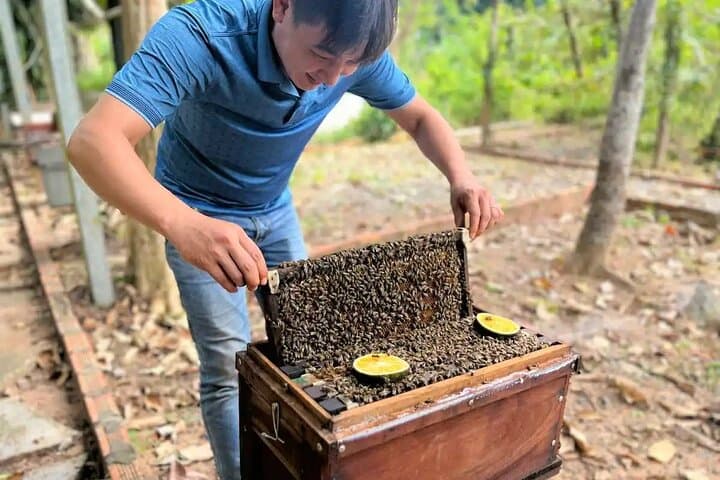
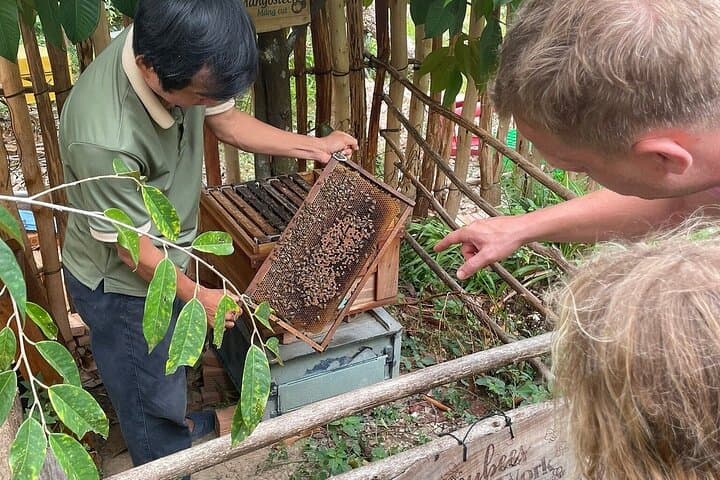
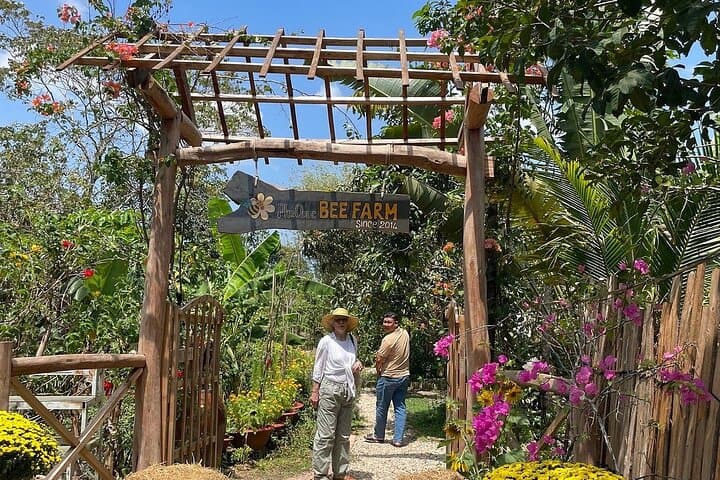
You push off from a quiet bank of the Cua Can River and the island exhales around you — mangrove roots tracing the current, kingfishers slicing the light. The tour threads together contrasting ingredients of northern Phu Quoc: tight mangrove channels for easy paddling, a working bee farm that smells of citrus and amber honey, a traditional fishing village with roped boats and seasonal starfish flats, and a rocky cape that lets you look toward Cambodia on a clear day.
You push off from a quiet bank of the Cua Can River and the island exhales around you — mangrove roots tracing the current, kingfishers slicing the light. The tour threads together contrasting ingredients of northern Phu Quoc: tight mangrove channels for easy paddling, a working bee farm that smells of citrus and amber honey, a traditional fishing village with roped boats and seasonal starfish flats, and a rocky cape that lets you look toward Cambodia on a clear day.
Phu Quoc’s geology is mostly limestone and metamorphic outcrops with volcanic sediments offshore; that mix creates sheltered bays and clear reefs. The island’s history is maritime and agricultural — fishermen, pepper growers and artisanal fish-sauce makers have shaped the coast for generations, while recent tourism adds a new layer of boat traffic and conservation focus.
Expect a largely flat, low-elevation day with short paddling sections (suitable for beginners), easy village walks, and a short forest visit in the island’s primeval patch. The guide-led itinerary includes pickup in Duong Dong, an educational stop at the bee farm, guided kayaking on Cua Can, lunch and swimming at Rach Vem, then photos at Ganh Dau.
Practical edge: bring reef-safe sunscreen, a waterproof bag, and water shoes for rocky shore entries; keep hydrated in the tropical heat and avoid handling starfish or disturbing marine life. Timing mornings for calmer seas and avoiding peak sun hours will make the kayak stretches more comfortable. This is a full-day, mixed water-and-land outing that gives a compact, tangible sense of northern Phu Quoc’s landscapes and livelihoods.