THE ADVENTURE COLLECTIVE® · Independent discovery and booking for outdoor travel

Paddle mangrove channels, taste fresh honey at a working bee farm, and swim among starfish at Rach Vem on this full-day northern Phu Quoc circuit. A mix of easy kayaking, short forest walks and coastal stops gives a concise, active introduction to the island.
Paddle mangrove channels, taste fresh honey at a working bee farm, and swim among starfish at Rach Vem on this full-day northern Phu Quoc circuit. A mix of easy kayaking, short forest walks and coastal stops gives a concise, active introduction to the island.
The morning air on Phu Quoc's northern shore tastes of salt and green mangroves. An air-conditioned minivan rolls out from Duong Dong, and within an hour you stand beside the slow-moving Cua Can River as kayaks bob against wooden posts.
Verified experiences and guided adventures in the surrounding area.
Operated by Local Tours Ha Giang · Duong Dong, Kien Giang
The morning air on Phu Quoc's northern shore tastes of salt and green mangroves. An air-conditioned minivan rolls out from Duong Dong, and within an hour you stand beside the slow-moving Cua Can River as kayaks bob against wooden posts.
The route threads through beekeeping plots and reclaimed forest, a reminder that Phu Quoc balanced fishing, pepper farms and nascent tourism for generations. Geologically the island is low limestone and sandstone with pockets of laterite; the northern tip at Ganh Dau gives clean lines of Cambodian coastline on clear days.
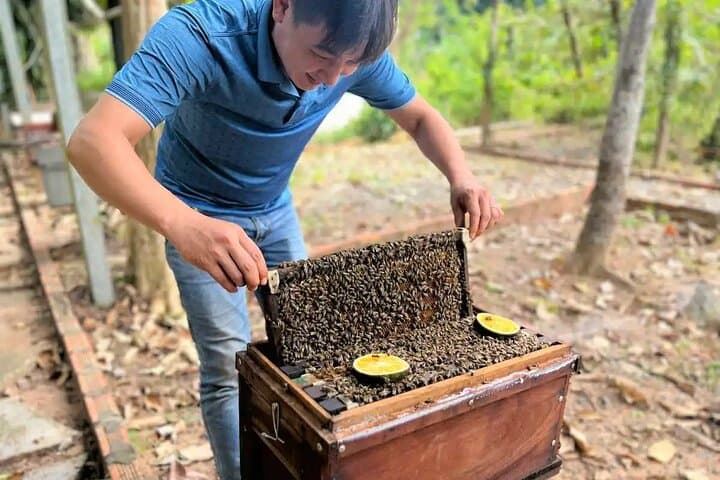
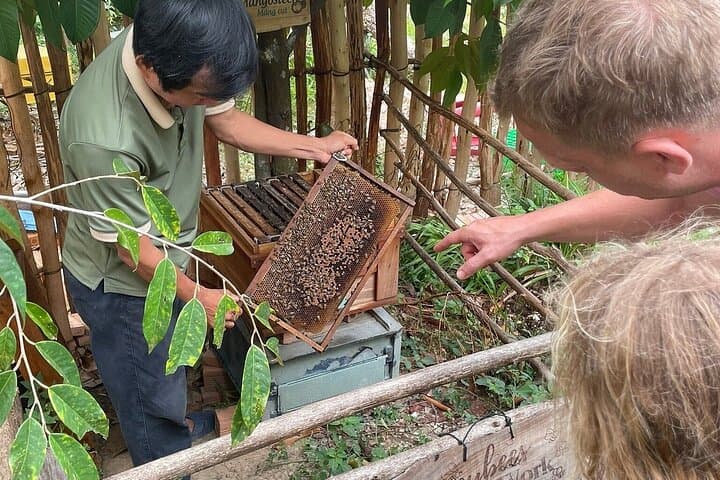
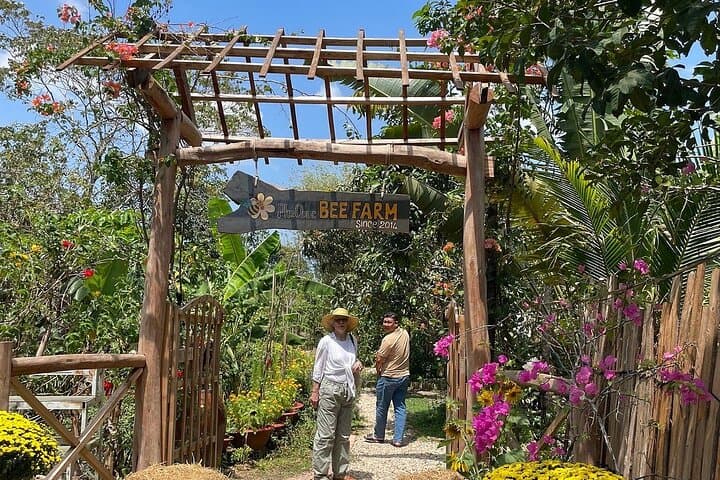
Cultural stops include a working bee farm—expect honey tastings and simple demonstrations—and the colorful stilt houses of Rach Vem, where fishing families still sort nets and starfish dot the shallows. The primeval forest walk is short but shaded, offering a look at endemic flora and the odd macaque.
Practically, the day is long but accessible: the full itinerary runs about eight hours with two kayaking sessions, a forest stroll, beach time and photo stops. Wear quick-dry layers, reef-safe sunscreen and sturdy water shoes; bring a dry bag for phones. Guides provide basic paddling instruction so no advanced skills are required, but those with limited mobility should note some low-impact hiking and water entry.
Timing favors calm mornings for kayaking and late afternoon for photography at Ganh Dau. Respect marine life—do not handle starfish—and carry cash for optional Grand World entry or roadside snacks. The trip balances mellow paddling with coastal culture for a compact, hands-on taste of northern Phu Quoc.
moderate.
8 hours.
Suitable for travelers in average fitness; requires basic paddling stamina and short forest walking
Yes—guides provide basic instruction and the Cua Can River offers sheltered, calm water ideal for first-time kayakers.
Pick-up from Duong Dong hotels is included; if you are outside that area an additional fee (about $9) may apply.
Yes—lunch is included and typically served at Rach Vem with local seafood options; notify the operator ahead for vegetarian requests.
You can swim in shallow water near starfish, but do not touch or remove them—observe from the surface to avoid harming marine life.
Phu Quoc developed as a fishing and pepper-producing island; northern villages like Rach Vem retain traditional stilt-house fishing practices.
Coral reefs and starfish populations are fragile—follow guides, avoid collecting marine life and use reef-safe products to limit impact.
Local Tours Ha Giang operates guided outdoor trips and adventures with an emphasis on safety, stewardship, and memorable experiences.

The morning air on Phu Quoc's northern shore tastes of salt and green mangroves. An air-conditioned minivan rolls out from Duong Dong, and within an hour you stand beside the slow-moving Cua Can River as kayaks bob against wooden posts.
The morning air on Phu Quoc's northern shore tastes of salt and green mangroves. An air-conditioned minivan rolls out from Duong Dong, and within an hour you stand beside the slow-moving Cua Can River as kayaks bob against wooden posts.
The route threads through beekeeping plots and reclaimed forest, a reminder that Phu Quoc balanced fishing, pepper farms and nascent tourism for generations. Geologically the island is low limestone and sandstone with pockets of laterite; the northern tip at Ganh Dau gives clean lines of Cambodian coastline on clear days.
Cultural stops include a working bee farm—expect honey tastings and simple demonstrations—and the colorful stilt houses of Rach Vem, where fishing families still sort nets and starfish dot the shallows. The primeval forest walk is short but shaded, offering a look at endemic flora and the odd macaque.
Practically, the day is long but accessible: the full itinerary runs about eight hours with two kayaking sessions, a forest stroll, beach time and photo stops. Wear quick-dry layers, reef-safe sunscreen and sturdy water shoes; bring a dry bag for phones. Guides provide basic paddling instruction so no advanced skills are required, but those with limited mobility should note some low-impact hiking and water entry.
Timing favors calm mornings for kayaking and late afternoon for photography at Ganh Dau. Respect marine life—do not handle starfish—and carry cash for optional Grand World entry or roadside snacks. The trip balances mellow paddling with coastal culture for a compact, hands-on taste of northern Phu Quoc.