THE ADVENTURE COLLECTIVE® · Independent discovery and booking for outdoor travel

Paddle quiet mangrove channels, walk shaded forest trails and meet fishing-village life on this full-day northern Phú Quốc tour. Easy paddling, a bee farm visit and coastal viewpoints make it an ideal introduction to the island’s wild side.
Paddle quiet mangrove channels, walk shaded forest trails and meet fishing-village life on this full-day northern Phú Quốc tour. Easy paddling, a bee farm visit and coastal viewpoints make it an ideal introduction to the island’s wild side.
A cool, salt-scented morning picks you up from Duong Dong and the road climbs toward Phú Quốc’s quieter north. The soundscape shifts from motorbikes to bird calls as you step from an air-conditioned van into the shade of mangroves and low coastal forest.
Verified experiences and guided adventures in the surrounding area.
Operated by Asia Green Travel · Duong Dong, Kien Giang
A cool, salt-scented morning picks you up from Duong Dong and the road climbs toward Phú Quốc’s quieter north. The soundscape shifts from motorbikes to bird calls as you step from an air-conditioned van into the shade of mangroves and low coastal forest.
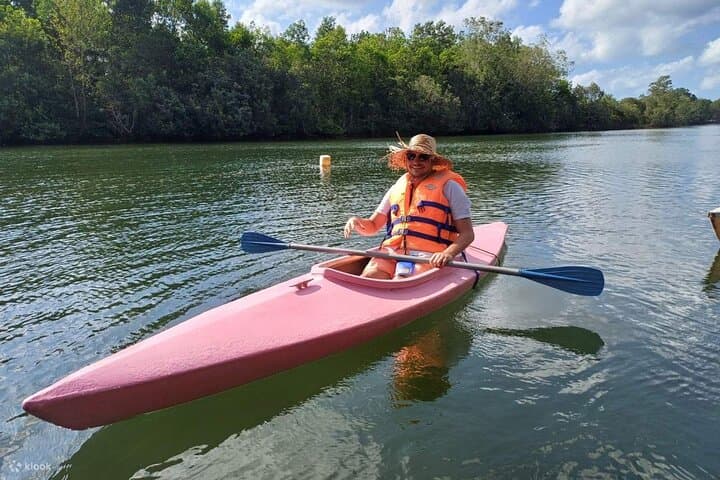
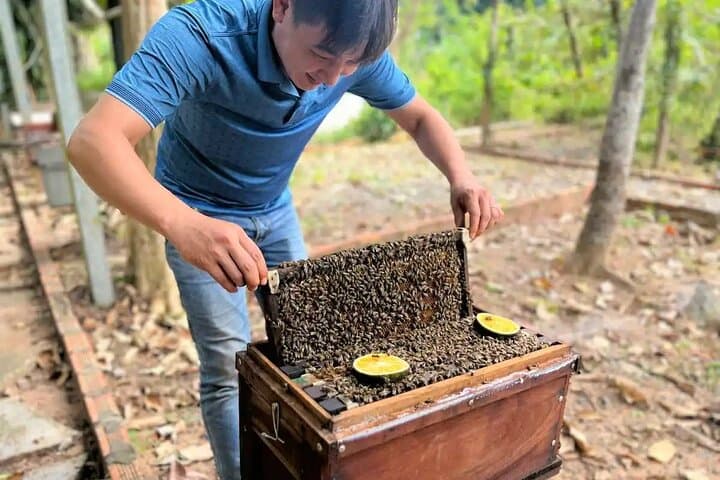
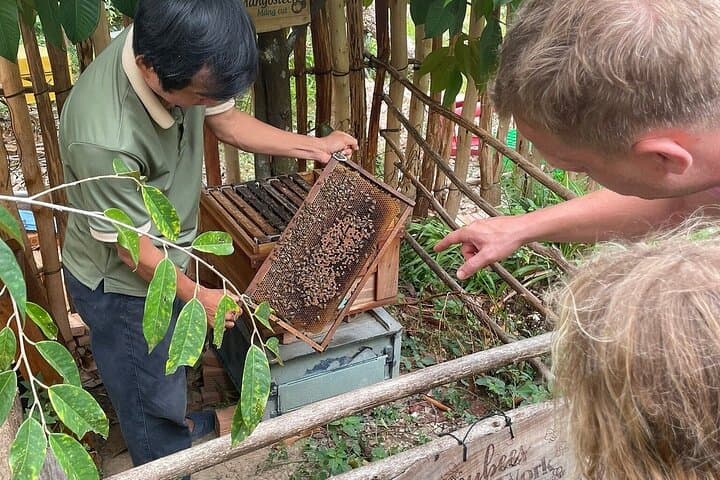
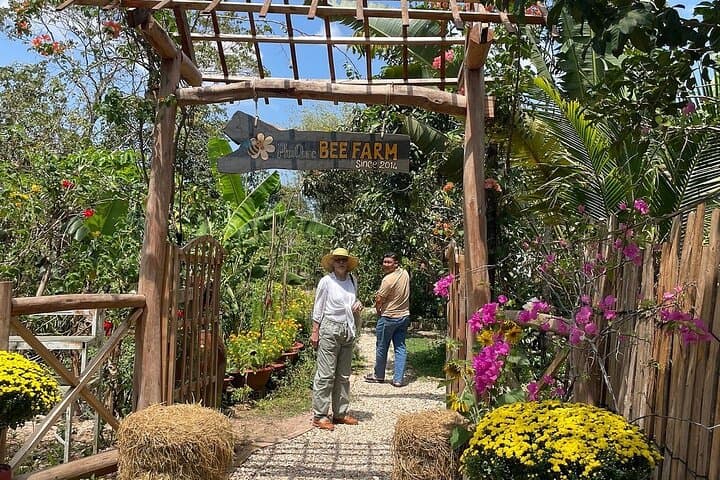
Begin with a short visit to a working bee farm—an entry-level look at island agriculture—then slide into a kayak on Sông Cửa Cạn. The river threads through dense mangrove roots, currents nudging your bow while kingfishers and herons keep watch. Later, a trail through Phú Quốc National Forest offers dappled understory and a chance to feel the island’s geology: coastal plains, old volcanic outcrops and sedimentary shelves that meet sandy coves.
Culture here is maritime and straightforward: small fishing villages like Rạch Vem stitch house-on-stilts to lagoon, and mornings still begin with nets, not menus. Mũi Gành Dầu, at the northwestern tip, rewards the afternoon with expansive sea views—on clear days the Cambodian coastline lines the horizon.
Practical guide: this full-day tour runs about eight hours, mixes easy paddling with short walks and includes lunch and transfers. Expect sheltered waters but bring sun protection, a dry bag, and water shoes for the mangrove mud. Wildlife sightings are common but fragile—avoid touching coral or moving starfish. Morning departures dodge the hottest midday sun and make for calmer water.
This is an accessible way to see Phú Quốc’s natural and human rhythms—quiet coves, working farms, and an island culture still shaped by the sea.
easy.
8 hours (full-day).
Suitable for most travelers with basic mobility; involves light paddling and short walks on uneven ground.
Paddling on Sông Cửa Cạn is gentle—sheltered mangrove channels with slow currents; basic paddling ability is sufficient.
Yes, a local lunch is included; tell the operator of vegetarian or dietary needs ahead of time.
Pickup and drop-off in Duong Dong are included, typically in an air-conditioned vehicle.
The tour is family-friendly but not recommended for very young children without prior kayaking experience; check age policies with the provider.
Phú Quốc’s northern coast has long been a fishing and salt-producing landscape, with influences from Khmer and Vietnamese seafaring communities.
Mangroves and reefs in the north are sensitive—tour operations often emphasize no-touch policies and support local waste-reduction efforts.
Asia Green Travel operates guided outdoor trips and adventures with an emphasis on safety, stewardship, and memorable experiences.
A cool, salt-scented morning picks you up from Duong Dong and the road climbs toward Phú Quốc’s quieter north. The soundscape shifts from motorbikes to bird calls as you step from an air-conditioned van into the shade of mangroves and low coastal forest.
A cool, salt-scented morning picks you up from Duong Dong and the road climbs toward Phú Quốc’s quieter north. The soundscape shifts from motorbikes to bird calls as you step from an air-conditioned van into the shade of mangroves and low coastal forest.
Begin with a short visit to a working bee farm—an entry-level look at island agriculture—then slide into a kayak on Sông Cửa Cạn. The river threads through dense mangrove roots, currents nudging your bow while kingfishers and herons keep watch. Later, a trail through Phú Quốc National Forest offers dappled understory and a chance to feel the island’s geology: coastal plains, old volcanic outcrops and sedimentary shelves that meet sandy coves.
Culture here is maritime and straightforward: small fishing villages like Rạch Vem stitch house-on-stilts to lagoon, and mornings still begin with nets, not menus. Mũi Gành Dầu, at the northwestern tip, rewards the afternoon with expansive sea views—on clear days the Cambodian coastline lines the horizon.
Practical guide: this full-day tour runs about eight hours, mixes easy paddling with short walks and includes lunch and transfers. Expect sheltered waters but bring sun protection, a dry bag, and water shoes for the mangrove mud. Wildlife sightings are common but fragile—avoid touching coral or moving starfish. Morning departures dodge the hottest midday sun and make for calmer water.
This is an accessible way to see Phú Quốc’s natural and human rhythms—quiet coves, working farms, and an island culture still shaped by the sea.