THE ADVENTURE COLLECTIVE® · Independent discovery and booking for outdoor travel

A private day tour from Hua Hin to Sam Roi Yot and Phraya Nakhon Cave combines a longtail boat approach, a jungle walk, and a sunlit royal pavilion inside a limestone cavern. Plan for uneven steps, tidal-dependent landings, and a mid-morning visit to capture the famous sunbeam.
A private day tour from Hua Hin to Sam Roi Yot and Phraya Nakhon Cave combines a longtail boat approach, a jungle walk, and a sunlit royal pavilion inside a limestone cavern. Plan for uneven steps, tidal-dependent landings, and a mid-morning visit to capture the famous sunbeam.
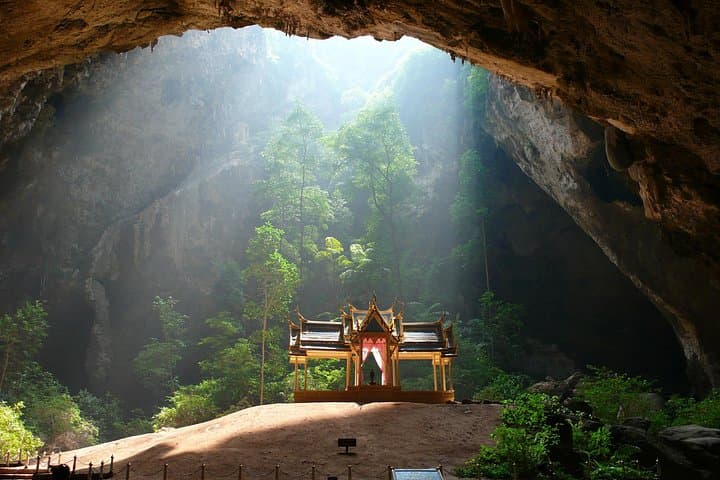
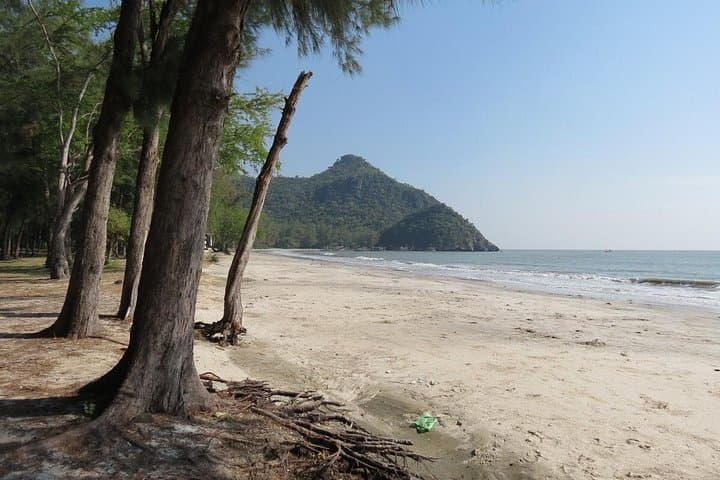
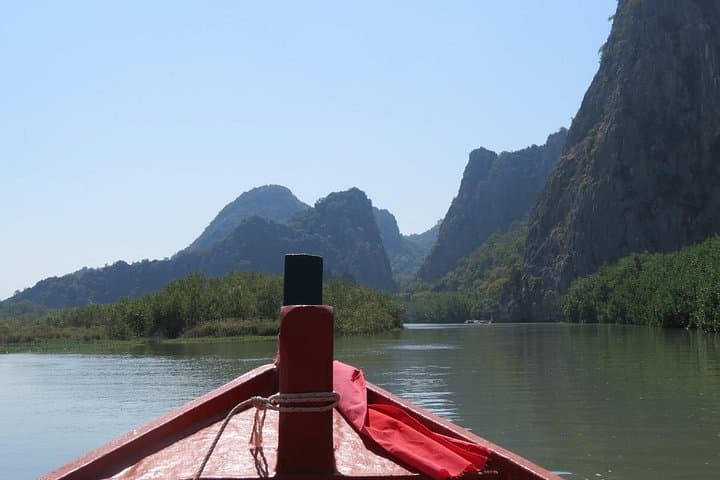
Morning light splinters through mangroves as a longtail cleaves the Gulf toward Laem Sala Beach. Limestone karsts rise like weathered fortresses, their faces draped in ferns and streaked with mineral veins. The approach—by water when waves allow, or by a steep coastal trail when surf is rough—sets the pace before the cave’s roof admits a single, dramatic shaft of sunlight onto the Kuha Karuhas Pavilion.
Verified experiences and guided adventures in the surrounding area.
Operated by Huahin Travel · Hua Hin, Prachuap Khiri Khan
Morning light splinters through mangroves as a longtail cleaves the Gulf toward Laem Sala Beach. Limestone karsts rise like weathered fortresses, their faces draped in ferns and streaked with mineral veins. The approach—by water when waves allow, or by a steep coastal trail when surf is rough—sets the pace before the cave’s roof admits a single, dramatic shaft of sunlight onto the Kuha Karuhas Pavilion.
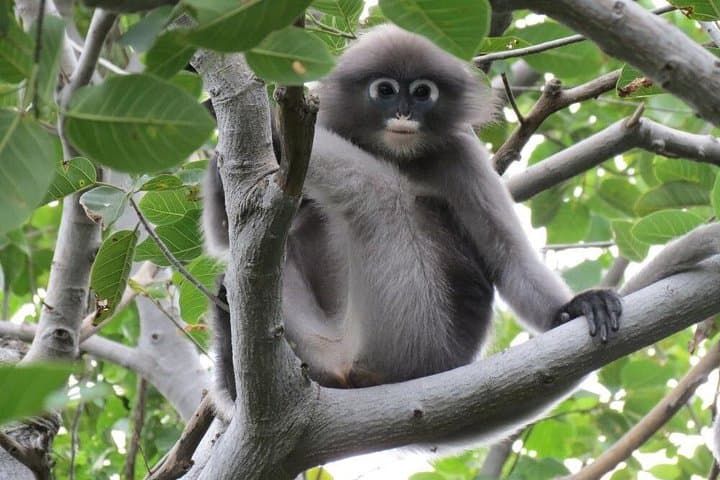
Sam Roi Yot National Park occupies low coastal ridges formed from Cretaceous limestone; tidal flats, freshwater marshes and small hills support migratory birds and coastal scrub. Phraya Nakhon Cave gained royal prominence when King Rama V commissioned the pavilion, and the site now combines geological spectacle with cultural significance for locals and visitors alike. Nearby fishing villages like Ban Bang Phu still trade seafood and pineapples, linking the natural landscape with daily livelihoods.
The practical side: expect a 6–7 hour private tour mixing boat time, a 400m walk from Laem Sala to the cave mouth, and uneven stone and wooden steps inside the park. The hike sections are moderately challenging—rocky, with short steep pitches and slippery surfaces when wet—so good footwear and steady footing are required. Time your visit for mid-morning to capture the sunbeam; bring water, a rain layer in monsoon months, and modest clothing for the temple interior. Guides manage tide- and weather-dependent logistics, and the reward is a sunlit chamber that reads like both a natural cathedral and a royal archive.
moderate.
6–7 hours.
Moderate fitness: able to handle short steep sections, uneven stone steps and a 400m walk from the beach to the cave entrance.
The boardwalk and trail from Laem Sala to the cave entrance is about 400 meters with some uneven sections and steps; allow 10–20 minutes depending on pace.
No—rough seas can prevent the longtail from landing at Laem Sala; in that case guides may route you across a mountain trail or arrange an inland boat transfer on the Pranburi River.
Yes—dress modestly for the royal pavilion (shoulders and knees covered), follow guide instructions, and avoid loud behavior to respect the cultural site.
The route is manageable for many ages but is not recommended for those with serious mobility or spinal issues; the tour provider advises moderate fitness and has specific health restrictions.
The Kuha Karuhas Pavilion inside Phraya Nakhon Cave was constructed during King Rama V’s reign and became an emblem of royal visits to the region.
Sam Roi Yot protects coastal wetlands and limestone ecosystems; visitors should stick to trails, avoid disturbing wildlife, and pack out waste to limit impact.
Huahin Travel operates guided outdoor trips and adventures with an emphasis on safety, stewardship, and memorable experiences.
Morning light splinters through mangroves as a longtail cleaves the Gulf toward Laem Sala Beach. Limestone karsts rise like weathered fortresses, their faces draped in ferns and streaked with mineral veins. The approach—by water when waves allow, or by a steep coastal trail when surf is rough—sets the pace before the cave’s roof admits a single, dramatic shaft of sunlight onto the Kuha Karuhas Pavilion.
Morning light splinters through mangroves as a longtail cleaves the Gulf toward Laem Sala Beach. Limestone karsts rise like weathered fortresses, their faces draped in ferns and streaked with mineral veins. The approach—by water when waves allow, or by a steep coastal trail when surf is rough—sets the pace before the cave’s roof admits a single, dramatic shaft of sunlight onto the Kuha Karuhas Pavilion.
Sam Roi Yot National Park occupies low coastal ridges formed from Cretaceous limestone; tidal flats, freshwater marshes and small hills support migratory birds and coastal scrub. Phraya Nakhon Cave gained royal prominence when King Rama V commissioned the pavilion, and the site now combines geological spectacle with cultural significance for locals and visitors alike. Nearby fishing villages like Ban Bang Phu still trade seafood and pineapples, linking the natural landscape with daily livelihoods.
The practical side: expect a 6–7 hour private tour mixing boat time, a 400m walk from Laem Sala to the cave mouth, and uneven stone and wooden steps inside the park. The hike sections are moderately challenging—rocky, with short steep pitches and slippery surfaces when wet—so good footwear and steady footing are required. Time your visit for mid-morning to capture the sunbeam; bring water, a rain layer in monsoon months, and modest clothing for the temple interior. Guides manage tide- and weather-dependent logistics, and the reward is a sunlit chamber that reads like both a natural cathedral and a royal archive.