THE ADVENTURE COLLECTIVE® · Independent discovery and booking for outdoor travel

Spend a day photographing Bhutan’s high pass panoramas, Punakha’s fortress-dzong, and intimate cultural scenes between Thimphu and Wangdue. Expect dramatic light, variable weather, and respectful access at temples and monastic sites.
Spend a day photographing Bhutan’s high pass panoramas, Punakha’s fortress-dzong, and intimate cultural scenes between Thimphu and Wangdue. Expect dramatic light, variable weather, and respectful access at temples and monastic sites.
A cold wind at Dochula Pass lifts cloud ribbons and sculpts light across 108 memorial chortens; here a photographer frames a layered ridge, there a prayer flag snaps like a shutter. The tour begins in Thimphu’s ordered streets — low stone walls, fluttering flags — then climbs into a high pass where views open into warmer Punakha and Wangdue valleys. Throughout the day the landscape changes from pine-clad slopes and glacial-born streams to terraced rice fields and broad river flats.
Verified experiences and guided adventures in the surrounding area.
Operated by Bhutan Swallowtail Tours & Travels · Thimphu, Thimphu District
A cold wind at Dochula Pass lifts cloud ribbons and sculpts light across 108 memorial chortens; here a photographer frames a layered ridge, there a prayer flag snaps like a shutter. The tour begins in Thimphu’s ordered streets — low stone walls, fluttering flags — then climbs into a high pass where views open into warmer Punakha and Wangdue valleys. Throughout the day the landscape changes from pine-clad slopes and glacial-born streams to terraced rice fields and broad river flats.
The pass itself is a modern landmark with a recent military history: the Druk Wangyel chortens commemorate events from the early 21st century and sit atop a ridge of ancient Himalayan geology—metamorphic rock worn by glaciation and monsoon runoff. Cultural stops include the fortress-style dzong architecture of Punakha and the intimate Chimi Lhakhang temple, where photography is respectful and often restricted. Local life — nuns’ prayers, tea houses, suspension bridges — offers portraits and environmental context.
Practical guidance: start early for clean light and quieter sites, pack layers for a 1,200–1,800 m elevation change, and bring spare batteries; cold high-altitude air drains power fast. Allow five to nine hours for transit and stops; expect short walks, multiple viewpoints, and narrow mountain roads. Respect signs at religious sites, ask before photographing people, and drink water between stops. This day tour is ideal for photographers who want varied Himalayan scenes in a single, well-paced outing.
easy.
4–9 hours.
Suitable for most fitness levels; involves short walks and standing for photos but no technical hiking.
The trip runs roughly 4–9 hours depending on stops; expect a full-day of scenic driving between Thimphu, Dochula Pass, Punakha and Wangdue with brief walks at viewpoints.
Yes—many religious sites restrict indoor photography and ask that you seek permission before photographing people, especially during prayers.
Elevation changes are moderate for most visitors; stay hydrated, avoid overexertion, and notify your guide if you feel unwell.
Early morning or late afternoon provides the most dramatic side light and clearer views before or after typical cloud build-up.
The Dochula ridge hosts 108 memorial chortens built in the early 2000s to honor soldiers, juxtaposing modern history with older Buddhist pilgrimage routes.
Bhutan maintains strict visitor guidelines and land-use policies; follow local rules, avoid drone use near religious sites, and pack out waste to minimize impact.
Bhutan Swallowtail Tours & Travels operates guided outdoor trips and adventures with an emphasis on safety, stewardship, and memorable experiences.
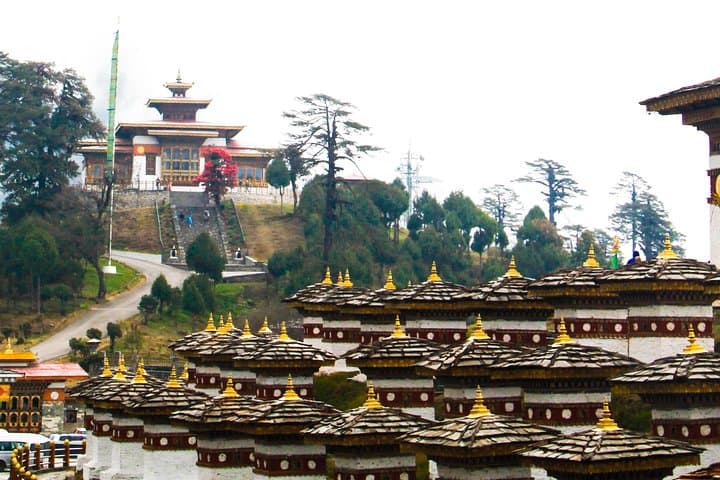


A cold wind at Dochula Pass lifts cloud ribbons and sculpts light across 108 memorial chortens; here a photographer frames a layered ridge, there a prayer flag snaps like a shutter. The tour begins in Thimphu’s ordered streets — low stone walls, fluttering flags — then climbs into a high pass where views open into warmer Punakha and Wangdue valleys. Throughout the day the landscape changes from pine-clad slopes and glacial-born streams to terraced rice fields and broad river flats.
A cold wind at Dochula Pass lifts cloud ribbons and sculpts light across 108 memorial chortens; here a photographer frames a layered ridge, there a prayer flag snaps like a shutter. The tour begins in Thimphu’s ordered streets — low stone walls, fluttering flags — then climbs into a high pass where views open into warmer Punakha and Wangdue valleys. Throughout the day the landscape changes from pine-clad slopes and glacial-born streams to terraced rice fields and broad river flats.
The pass itself is a modern landmark with a recent military history: the Druk Wangyel chortens commemorate events from the early 21st century and sit atop a ridge of ancient Himalayan geology—metamorphic rock worn by glaciation and monsoon runoff. Cultural stops include the fortress-style dzong architecture of Punakha and the intimate Chimi Lhakhang temple, where photography is respectful and often restricted. Local life — nuns’ prayers, tea houses, suspension bridges — offers portraits and environmental context.
Practical guidance: start early for clean light and quieter sites, pack layers for a 1,200–1,800 m elevation change, and bring spare batteries; cold high-altitude air drains power fast. Allow five to nine hours for transit and stops; expect short walks, multiple viewpoints, and narrow mountain roads. Respect signs at religious sites, ask before photographing people, and drink water between stops. This day tour is ideal for photographers who want varied Himalayan scenes in a single, well-paced outing.