THE ADVENTURE COLLECTIVE® · Independent discovery and booking for outdoor travel

Board a ferry from Longyearbyen and spend a full Arctic day photographing Pyramiden’s frozen-in-time Soviet settlement. Expect dramatic fjords, abandoned architecture, and a photographer-led tour that balances composition coaching with practical field conditions.
Board a ferry from Longyearbyen and spend a full Arctic day photographing Pyramiden’s frozen-in-time Soviet settlement. Expect dramatic fjords, abandoned architecture, and a photographer-led tour that balances composition coaching with practical field conditions.
A raw Arctic morning presses itself against the ferry windows as Longyearbyen fades into a corridor of ice and steep fjord walls. The sea—grey, patient—pushes the boat forward, and bergy bits drift like slow-moving punctuation marks. Arriving at Pyramiden feels like stepping into a paused scene: Soviet-era buildings stand open-mouthed beneath the pyramid-shaped peak that lent the town its name, and wind writes brief stories on peeling paint.
Verified experiences and guided adventures in the surrounding area.
Operated by Better Moments Photo Exploring · Longyearbyen, Svalbard
A raw Arctic morning presses itself against the ferry windows as Longyearbyen fades into a corridor of ice and steep fjord walls. The sea—grey, patient—pushes the boat forward, and bergy bits drift like slow-moving punctuation marks. Arriving at Pyramiden feels like stepping into a paused scene: Soviet-era buildings stand open-mouthed beneath the pyramid-shaped peak that lent the town its name, and wind writes brief stories on peeling paint.
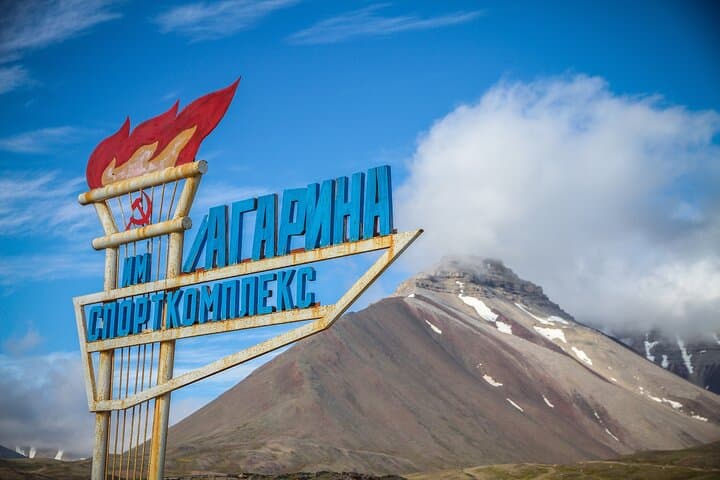
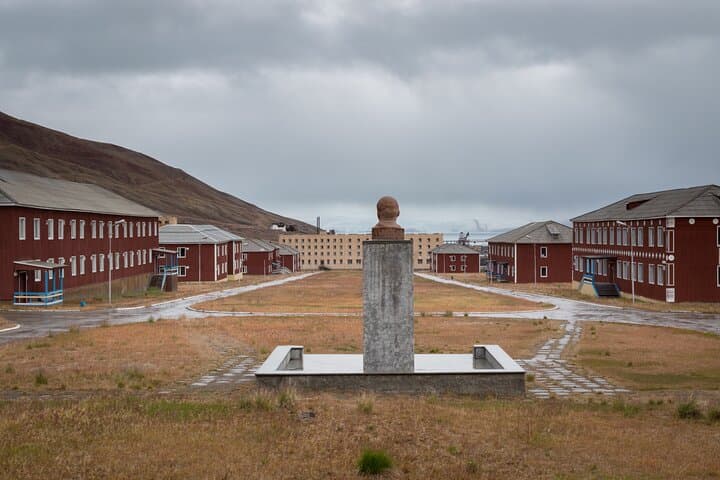
Founded in 1910 and later transferred to Soviet control, Pyramiden operated as a coal-mining settlement until its 1998 abandonment. The site sits at the foot of Billefjorden on Spitsbergen, carved from ancient bedrock and glacial action that shaped the fjords you cross. Cultural traces—Russian signage, a preserved cultural house, a statue—reveal a community engineered for the polar industrial frontier.
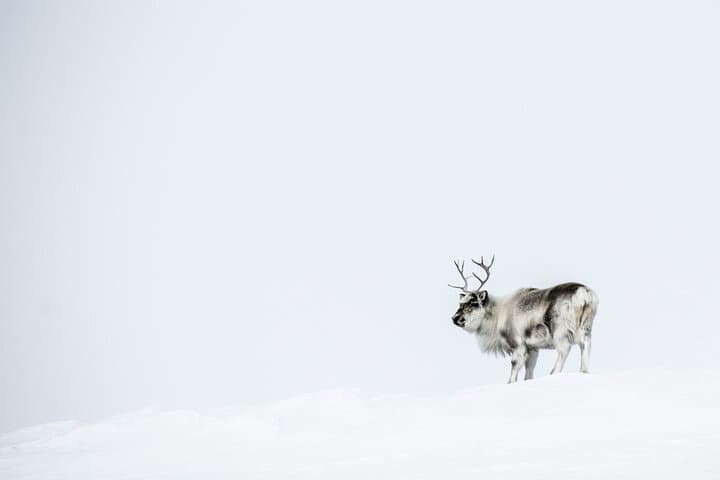
Photographers and explorers come for composition as much as context: wide-angle frames caught on the dock, textural close-ups of rusted machinery, and long exposures that flatten drifting ice into soft streaks. Wildlife is part of the script—seals on ice floes and seabirds wheeling—so keep lenses ready and distances respectful.
Practical edge: the visit includes roughly 2.5 hours each way by ferry and about 3 hours ashore, often on uneven ground and cold, windy exposures. Dress in windproof layers, bring waterproof boots with good grip, and carry spare batteries—cold drains power fast. Boats may be unable to dock in poor weather, in which case the itinerary shifts to glacier and wildlife-focused photography. Plan for an 8-hour day and allow extra time for camera setup and short hikes; there’s real reward for deliberate composition and a patient eye.
easy.
8 hours.
Suitable for light to moderate mobility; expect up to three hours of walking on uneven, potentially icy ground
The crossing is about 2.5 hours each way, with photo stops and transit time built into the schedule.
The tour is listed as suitable for all fitness levels, but shore visits involve uneven terrain and some walking; those with limited mobility should discuss needs with the operator beforehand.
If boats cannot dock at Pyramiden due to weather, the itinerary shifts to wildlife and glacier-focused stops such as Nordenskjöld or Esmark Glaciers, ensuring continued photographic opportunities.
Yes—the tour pairs guests with a certified photographer who provides composition and camera-setting guidance throughout the day.
Pyramiden was established in 1910 and sold to the Soviet Union in 1927; it was actively inhabited as a state-run mining town until its abandonment in 1998, leaving preserved Soviet-era infrastructure.
Visits follow strict guidelines to minimize disturbance to fragile Arctic ecosystems; travel operators emphasize leave-no-trace practices and wildlife distance to protect seals and bird colonies.
Better Moments Photo Exploring operates guided outdoor trips and adventures with an emphasis on safety, stewardship, and memorable experiences.
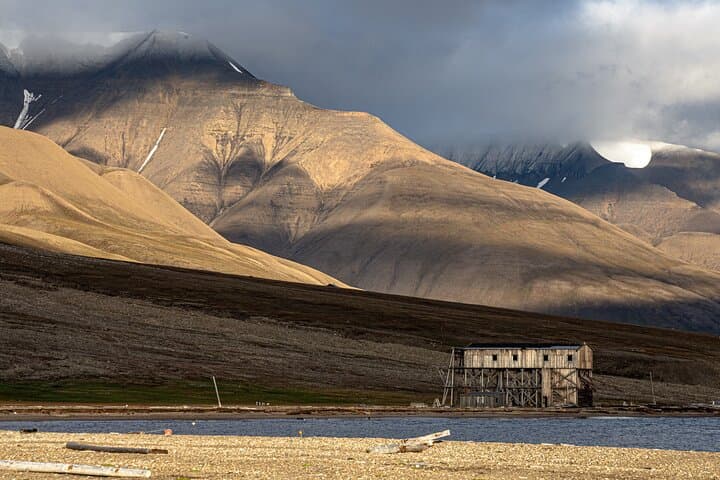
A raw Arctic morning presses itself against the ferry windows as Longyearbyen fades into a corridor of ice and steep fjord walls. The sea—grey, patient—pushes the boat forward, and bergy bits drift like slow-moving punctuation marks. Arriving at Pyramiden feels like stepping into a paused scene: Soviet-era buildings stand open-mouthed beneath the pyramid-shaped peak that lent the town its name, and wind writes brief stories on peeling paint.
A raw Arctic morning presses itself against the ferry windows as Longyearbyen fades into a corridor of ice and steep fjord walls. The sea—grey, patient—pushes the boat forward, and bergy bits drift like slow-moving punctuation marks. Arriving at Pyramiden feels like stepping into a paused scene: Soviet-era buildings stand open-mouthed beneath the pyramid-shaped peak that lent the town its name, and wind writes brief stories on peeling paint.
Founded in 1910 and later transferred to Soviet control, Pyramiden operated as a coal-mining settlement until its 1998 abandonment. The site sits at the foot of Billefjorden on Spitsbergen, carved from ancient bedrock and glacial action that shaped the fjords you cross. Cultural traces—Russian signage, a preserved cultural house, a statue—reveal a community engineered for the polar industrial frontier.
Photographers and explorers come for composition as much as context: wide-angle frames caught on the dock, textural close-ups of rusted machinery, and long exposures that flatten drifting ice into soft streaks. Wildlife is part of the script—seals on ice floes and seabirds wheeling—so keep lenses ready and distances respectful.
Practical edge: the visit includes roughly 2.5 hours each way by ferry and about 3 hours ashore, often on uneven ground and cold, windy exposures. Dress in windproof layers, bring waterproof boots with good grip, and carry spare batteries—cold drains power fast. Boats may be unable to dock in poor weather, in which case the itinerary shifts to glacier and wildlife-focused photography. Plan for an 8-hour day and allow extra time for camera setup and short hikes; there’s real reward for deliberate composition and a patient eye.