THE ADVENTURE COLLECTIVE® · Independent discovery and booking for outdoor travel

Float into a cathedral of stone on a short boat ride, then walk the vast dry passages of Paradise Cave — a full-day tour that pairs dramatic karst geology with local cuisine and guided interpretation.
Float into a cathedral of stone on a short boat ride, then walk the vast dry passages of Paradise Cave — a full-day tour that pairs dramatic karst geology with local cuisine and guided interpretation.
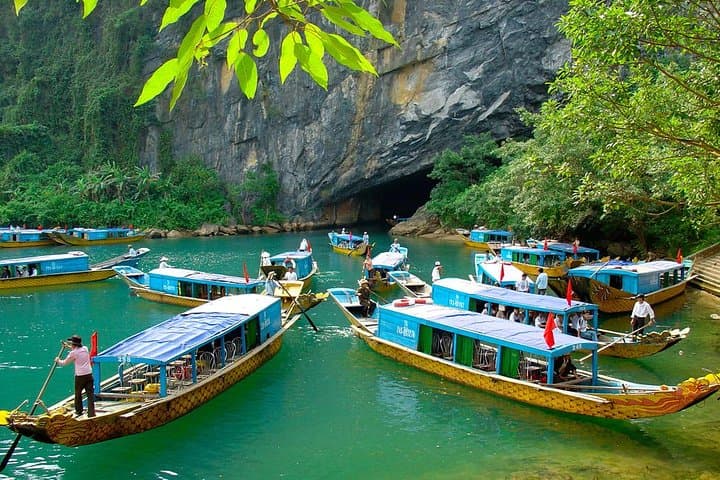
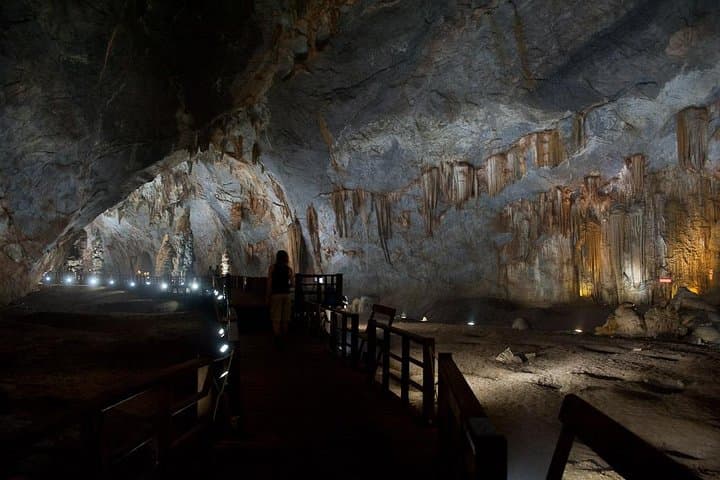
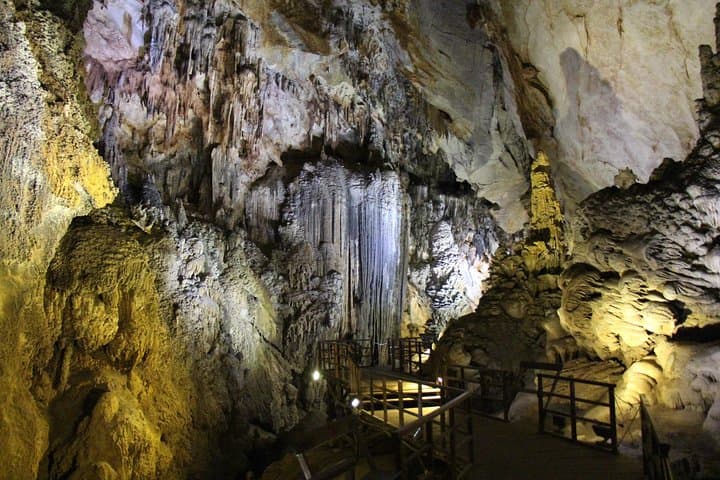
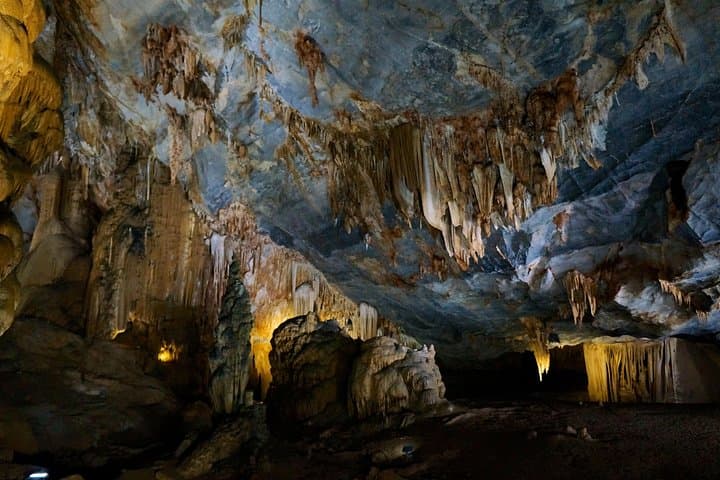
You push off from a low wooden jetty as limestone cliffs slide into mist; the boat’s engine hums and the river seems to guide you toward a yawning dark. Phong Nha cave opens like a carved cathedral — a water cave where light pricks columns and formations locals have named the Lion, the Fairy, and the Buddha. Later the road climbs to Paradise Cave, where a 31.4 km dry system unfurls halls and draperies that feel both ancient and precisely sculpted by groundwater.
Verified experiences and guided adventures in the surrounding area.
Operated by Vietnam Creative Travel · Phong Nha, Quang Binh
You push off from a low wooden jetty as limestone cliffs slide into mist; the boat’s engine hums and the river seems to guide you toward a yawning dark. Phong Nha cave opens like a carved cathedral — a water cave where light pricks columns and formations locals have named the Lion, the Fairy, and the Buddha. Later the road climbs to Paradise Cave, where a 31.4 km dry system unfurls halls and draperies that feel both ancient and precisely sculpted by groundwater.
Phong Nha-Ke Bang National Park was inscribed as a UNESCO World Heritage Site in 2003 for its karst geology and vast cave networks. The caves here record millions of years of uplift and erosion; stalactites and flowstone build slow curtains while the Son River threads the valley below. The culture around Dong Hoi and Phong Nha is quietly rural — small restaurants serve hearty Vietnamese lunches, and local guides blend geological facts with folklore.
What to expect: a roughly 9-hour day with a 20-minute scenic boat ride to Phong Nha, guided walking in dim, often humid passages, and a bus transfer to Paradise Cave with a marked path and stair sections. Wear sturdy, grippy shoes for wet floors and expect uneven steps in Paradise Cave’s visitor section. Bring a light waterproof layer and reusable water bottle — bottled water is provided, but refillable options reduce waste. Tours usually include hotel pickup in Dong Hoi or Phong Nha, lunch, entrance fees, and an English-speaking guide, making this a straightforward full-day introduction to one of Vietnam’s most dramatic subterranean landscapes.
easy.
9 hours.
Suitable for most fitness levels; involves short boat ride and walking on uneven, sometimes wet surfaces with stair sections in Paradise Cave.
The full tour runs about 9 hours, including hotel pickup, a boat trip to Phong Nha cave, lunch, transfer to Paradise Cave, and drop-off.
Yes—both caves are accessible for most ages; however, children should be supervised and seniors should be prepared for stairs and uneven surfaces.
Yes—this tour includes a roughly 20-minute boat transfer to the water-filled Phong Nha cave entrance.
Yes—entrance fees for Paradise Cave, mineral water, and a Vietnamese lunch are included, as well as hotel pickup in Dong Hoi or Phong Nha.
The karst region preserves a long geological record; local communities have used cave entrances historically for shelter and ritual, and the park gained UNESCO status in 2003 for its outstanding karst landscapes.
Phong Nha-Ke Bang manages visitor access to sensitive cave zones and limits lighting and pathways to reduce impact; visitors can help by staying on marked trails and minimizing single-use plastics.
Vietnam Creative Travel operates guided outdoor trips and adventures with an emphasis on safety, stewardship, and memorable experiences.
You push off from a low wooden jetty as limestone cliffs slide into mist; the boat’s engine hums and the river seems to guide you toward a yawning dark. Phong Nha cave opens like a carved cathedral — a water cave where light pricks columns and formations locals have named the Lion, the Fairy, and the Buddha. Later the road climbs to Paradise Cave, where a 31.4 km dry system unfurls halls and draperies that feel both ancient and precisely sculpted by groundwater.
You push off from a low wooden jetty as limestone cliffs slide into mist; the boat’s engine hums and the river seems to guide you toward a yawning dark. Phong Nha cave opens like a carved cathedral — a water cave where light pricks columns and formations locals have named the Lion, the Fairy, and the Buddha. Later the road climbs to Paradise Cave, where a 31.4 km dry system unfurls halls and draperies that feel both ancient and precisely sculpted by groundwater.
Phong Nha-Ke Bang National Park was inscribed as a UNESCO World Heritage Site in 2003 for its karst geology and vast cave networks. The caves here record millions of years of uplift and erosion; stalactites and flowstone build slow curtains while the Son River threads the valley below. The culture around Dong Hoi and Phong Nha is quietly rural — small restaurants serve hearty Vietnamese lunches, and local guides blend geological facts with folklore.
What to expect: a roughly 9-hour day with a 20-minute scenic boat ride to Phong Nha, guided walking in dim, often humid passages, and a bus transfer to Paradise Cave with a marked path and stair sections. Wear sturdy, grippy shoes for wet floors and expect uneven steps in Paradise Cave’s visitor section. Bring a light waterproof layer and reusable water bottle — bottled water is provided, but refillable options reduce waste. Tours usually include hotel pickup in Dong Hoi or Phong Nha, lunch, entrance fees, and an English-speaking guide, making this a straightforward full-day introduction to one of Vietnam’s most dramatic subterranean landscapes.