THE ADVENTURE COLLECTIVE® · Independent discovery and booking for outdoor travel

Float into ancient limestone cathedrals on this full-day Phong Nha cave tour from Hue. Combine riverside culture, a UNESCO karst landscape and dramatic cave passages—perfect for travelers who want a single-day deep dive into Vietnam’s subterranean world.
Float into ancient limestone cathedrals on this full-day Phong Nha cave tour from Hue. Combine riverside culture, a UNESCO karst landscape and dramatic cave passages—perfect for travelers who want a single-day deep dive into Vietnam’s subterranean world.
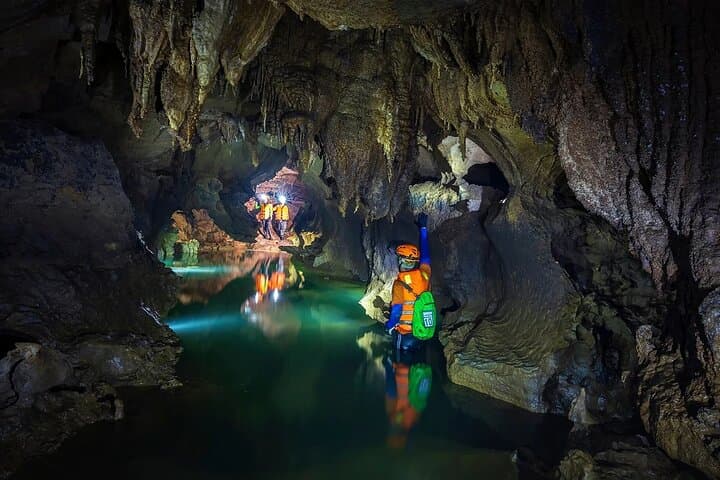
A morning fog lifts off the flat rice paddies as the road runs east toward Quang Binh; by midday the limestone karst towers ahead, weathered into ribs and caverns that seem to challenge the sky. Visitors step from the minibus into heat that smells of river and wet stone, then board a small boat that drifts into dark mouths where stalactites hang like waiting hands.
Verified experiences and guided adventures in the surrounding area.
Operated by Red Gecko Travel · Phong Nha, Quang Binh Province
A morning fog lifts off the flat rice paddies as the road runs east toward Quang Binh; by midday the limestone karst towers ahead, weathered into ribs and caverns that seem to challenge the sky. Visitors step from the minibus into heat that smells of river and wet stone, then board a small boat that drifts into dark mouths where stalactites hang like waiting hands.
Phong Nha–Ke Bang is among the oldest karst systems in Asia, formed hundreds of millions of years by chemical weathering of limestone. The park is a UNESCO World Heritage Site and the caves played roles in local culture and modern history—pilgrimage routes, wartime shelters and, today, managed tourism. Geology here is immediate: vast chambers, flowstone curtains and underground rivers that continue carving the limestone.
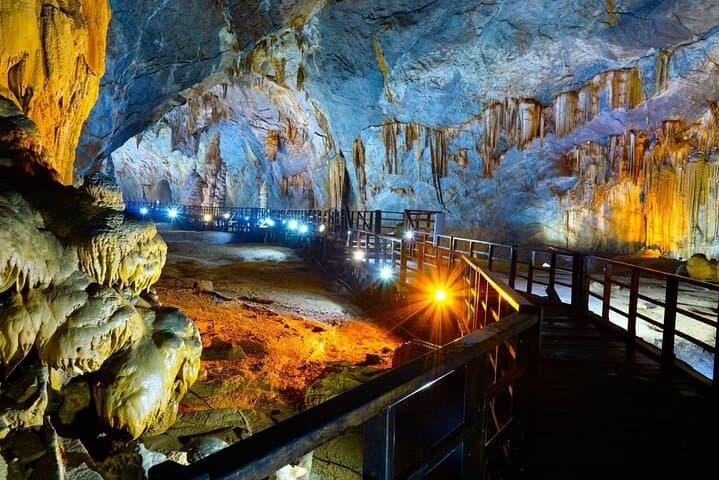
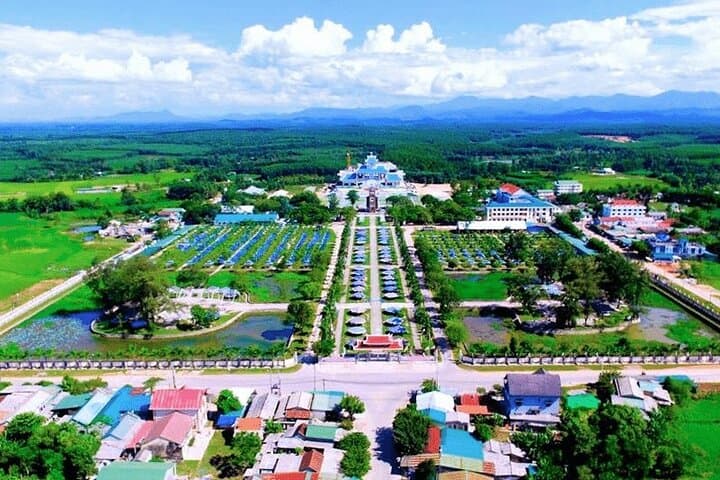
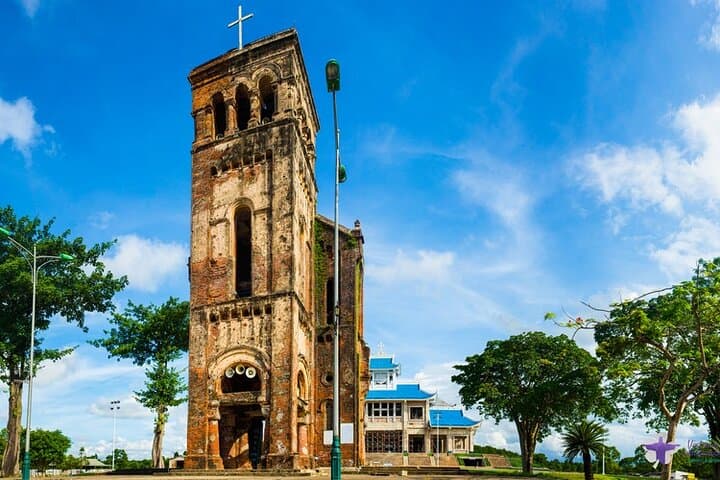
The tour sequence typically includes a short cultural stop (La Vang Holy Land and Truong Son Martyrs Cemetery), a riverside lunch, then boat access into Phong Nha Cave or a walk along Paradise Cave’s roughly 1 km wooden walkway. Expect flat, wet surfaces, low-light boat passages of about 1.2 km, and relatively short on-foot sections—stairs and boardwalks at Paradise Cave but no technical climbing.
Practical guidance: wear sturdy, grippy shoes, bring sunscreen and insect repellent, and keep a light rain layer handy in monsoon months. Hydrate for a long day—the itinerary runs about 12 hours roundtrip—and follow park rules: don’t touch formations and stay with guides. The reward is elemental: cool caves, a silent river, and a sense of scale that pulls the map out of ordinary travel.
moderate.
Approx. 12 hours (full day).
Suitable for travelers with average fitness who can manage stairs, short walks and boat boarding.
The itinerary runs about 12 hours; pickups typically start early morning (around 06:00–07:00) from arranged meeting points in Hue.
Yes—this tour includes tickets for the listed cave visits and the boat segment described in the program.
Boat sections require boarding from a riverbank and can involve low, unsteady platforms; travelers with significant mobility limitations should contact the operator beforehand.
An English-speaking guide is included as noted in the tour inclusions.
Phong Nha–Ke Bang’s karst has been inhabited for millennia; during the 20th century caves also served as shelters during the Vietnam War and the area holds memorial sites nearby.
The park is UNESCO-listed and best-practice visitors stick to boardwalks, avoid touching stalactites, and follow guides to minimize impact on fragile cave ecosystems.
Red Gecko Travel operates guided outdoor trips and adventures with an emphasis on safety, stewardship, and memorable experiences.
A morning fog lifts off the flat rice paddies as the road runs east toward Quang Binh; by midday the limestone karst towers ahead, weathered into ribs and caverns that seem to challenge the sky. Visitors step from the minibus into heat that smells of river and wet stone, then board a small boat that drifts into dark mouths where stalactites hang like waiting hands.
A morning fog lifts off the flat rice paddies as the road runs east toward Quang Binh; by midday the limestone karst towers ahead, weathered into ribs and caverns that seem to challenge the sky. Visitors step from the minibus into heat that smells of river and wet stone, then board a small boat that drifts into dark mouths where stalactites hang like waiting hands.
Phong Nha–Ke Bang is among the oldest karst systems in Asia, formed hundreds of millions of years by chemical weathering of limestone. The park is a UNESCO World Heritage Site and the caves played roles in local culture and modern history—pilgrimage routes, wartime shelters and, today, managed tourism. Geology here is immediate: vast chambers, flowstone curtains and underground rivers that continue carving the limestone.
The tour sequence typically includes a short cultural stop (La Vang Holy Land and Truong Son Martyrs Cemetery), a riverside lunch, then boat access into Phong Nha Cave or a walk along Paradise Cave’s roughly 1 km wooden walkway. Expect flat, wet surfaces, low-light boat passages of about 1.2 km, and relatively short on-foot sections—stairs and boardwalks at Paradise Cave but no technical climbing.
Practical guidance: wear sturdy, grippy shoes, bring sunscreen and insect repellent, and keep a light rain layer handy in monsoon months. Hydrate for a long day—the itinerary runs about 12 hours roundtrip—and follow park rules: don’t touch formations and stay with guides. The reward is elemental: cool caves, a silent river, and a sense of scale that pulls the map out of ordinary travel.