THE ADVENTURE COLLECTIVE® · Independent discovery and booking for outdoor travel

Float in a vertical wind tunnel without leaving the ground: this 75-minute Phoenix session includes training, two one-minute flights with an instructor, and a personalized certificate. Learn what to expect, how to prepare, and local tips to make the most of your visit.
Float in a vertical wind tunnel without leaving the ground: this 75-minute Phoenix session includes training, two one-minute flights with an instructor, and a personalized certificate. Learn what to expect, how to prepare, and local tips to make the most of your visit.
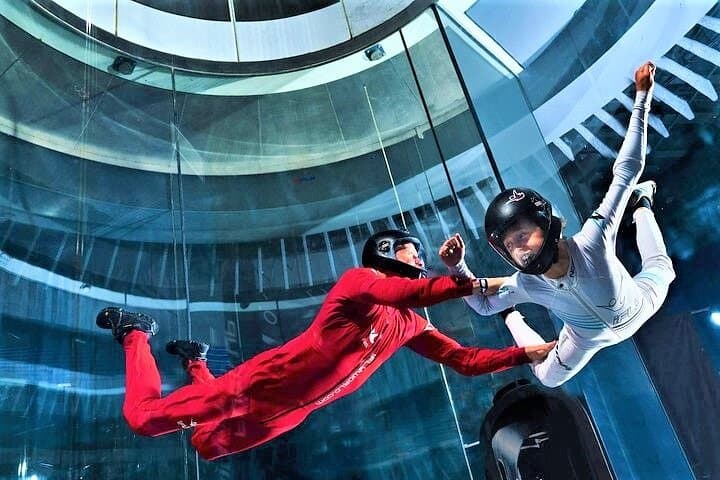
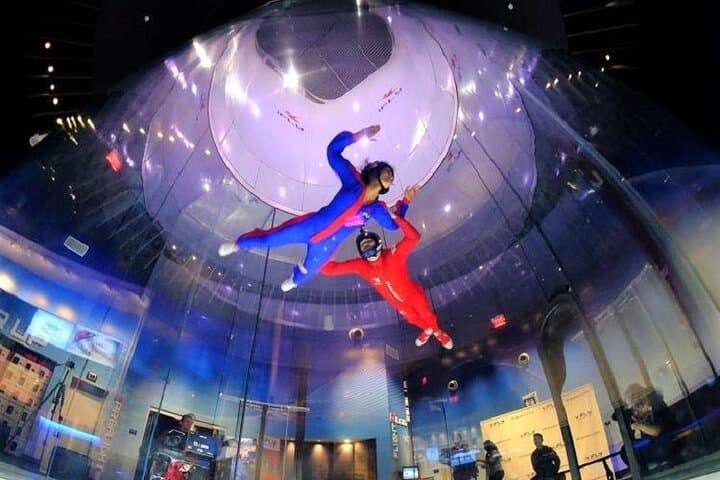
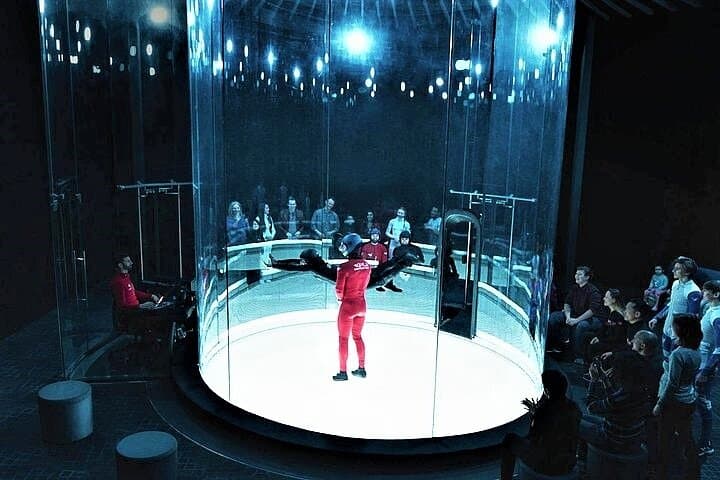
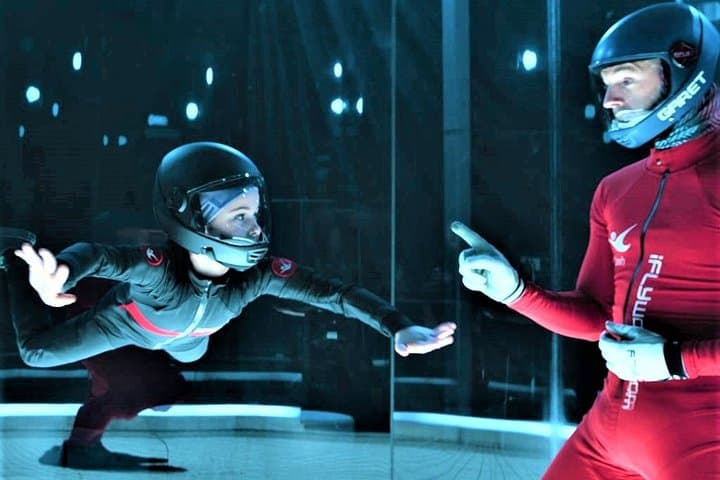
You step through the doors and the desert heat gives way to a press of cool, controlled wind. The tunnel trembles like a contained gust; instructors move with crisp, practiced gestures as the chamber readies. For a heartbeat you watch others float, then your instructor steadies you, and the column of air takes you up—weight pulls polite and brief, the wind offering a ride rather than a drop.
Verified experiences and guided adventures in the surrounding area.
Operated by iFLY Indoor Skydiving · Phoenix, Arizona
You step through the doors and the desert heat gives way to a press of cool, controlled wind. The tunnel trembles like a contained gust; instructors move with crisp, practiced gestures as the chamber readies. For a heartbeat you watch others float, then your instructor steadies you, and the column of air takes you up—weight pulls polite and brief, the wind offering a ride rather than a drop.
Indoor skydiving in the Phoenix area sits at the intersection of aviation innovation and accessible adventure. Wind tunnels evolved from flight-training research and military testing; today they bring the physics of freefall to a safe, controlled chamber. The Sonoran Desert around Phoenix adds its own character—clear light, sharp outlines, and an outdoors culture that prizes action and efficiency. Local visitors often pair a session with nearby hiking at Papago Park or an art crawl in Scottsdale.
Practical guidance: expect a 75-minute session with two one-minute flights under instructor supervision. Arrive 10 minutes early, wear lace-up sneakers and comfortable pants, and be ready to sign a waiver; participants under 18 need a guardian. Physical demands are modest—brief bursts of core engagement and following hand signals—but certain medical conditions and a 300 lb weight limit apply. The facility runs year-round, so scheduling midweek or during non-peak hours reduces wait time.
The experience trades the unpredictability of an airplane jump for repeatable, coachable flight. Whether you want the adrenaline of controlled freefall or a stepping stone to outdoor skydiving, the wind tunnel gives a compact, high-impact dose of flight with clear rules and hands-on instruction.
easy.
1–1.5 hours.
Light to moderate; brief core engagement and ability to follow instructions and stand for short periods.
Each flight is approximately 60 seconds; the full session, including training and gearing up, runs about 75 minutes.
No—certified instructors provide one-on-one coaching and control wind speeds to match your level.
Minimum age is typically 3 years; weight limits vary but most locations cap at 300 lbs and evaluate flyers between 260–300 lbs onsite.
Most providers allow full refunds if you cancel at least 24 hours before the reservation; check the specific booking policy when you purchase.
Wind tunnel technology grew from mid-20th-century flight research; today facilities adapt that engineering to safely simulate freefall for recreation and sport. Phoenix’s aviation links date back to early southwestern flight training and test sites.
Indoor skydiving removes the fuel and emissions of airplane jumps, but wind tunnels use significant electricity; choose facilities that prioritize energy-efficient systems and follow staff guidance to minimize equipment strain.
iFLY Indoor Skydiving operates guided outdoor trips and adventures with an emphasis on safety, stewardship, and memorable experiences.
You step through the doors and the desert heat gives way to a press of cool, controlled wind. The tunnel trembles like a contained gust; instructors move with crisp, practiced gestures as the chamber readies. For a heartbeat you watch others float, then your instructor steadies you, and the column of air takes you up—weight pulls polite and brief, the wind offering a ride rather than a drop.
You step through the doors and the desert heat gives way to a press of cool, controlled wind. The tunnel trembles like a contained gust; instructors move with crisp, practiced gestures as the chamber readies. For a heartbeat you watch others float, then your instructor steadies you, and the column of air takes you up—weight pulls polite and brief, the wind offering a ride rather than a drop.
Indoor skydiving in the Phoenix area sits at the intersection of aviation innovation and accessible adventure. Wind tunnels evolved from flight-training research and military testing; today they bring the physics of freefall to a safe, controlled chamber. The Sonoran Desert around Phoenix adds its own character—clear light, sharp outlines, and an outdoors culture that prizes action and efficiency. Local visitors often pair a session with nearby hiking at Papago Park or an art crawl in Scottsdale.
Practical guidance: expect a 75-minute session with two one-minute flights under instructor supervision. Arrive 10 minutes early, wear lace-up sneakers and comfortable pants, and be ready to sign a waiver; participants under 18 need a guardian. Physical demands are modest—brief bursts of core engagement and following hand signals—but certain medical conditions and a 300 lb weight limit apply. The facility runs year-round, so scheduling midweek or during non-peak hours reduces wait time.
The experience trades the unpredictability of an airplane jump for repeatable, coachable flight. Whether you want the adrenaline of controlled freefall or a stepping stone to outdoor skydiving, the wind tunnel gives a compact, high-impact dose of flight with clear rules and hands-on instruction.