THE ADVENTURE COLLECTIVE® · Independent discovery and booking for outdoor travel

Ride quiet farm lanes past expansive paddy fields, visit Ta Prohm temple at Tonle Bati, then confront Cambodia’s recent past at the Killing Fields on a full-day tuk-tuk and bike outing from Phnom Penh. Practical, revealing, and guided for a steady eight-hour day.
Ride quiet farm lanes past expansive paddy fields, visit Ta Prohm temple at Tonle Bati, then confront Cambodia’s recent past at the Killing Fields on a full-day tuk-tuk and bike outing from Phnom Penh. Practical, revealing, and guided for a steady eight-hour day.
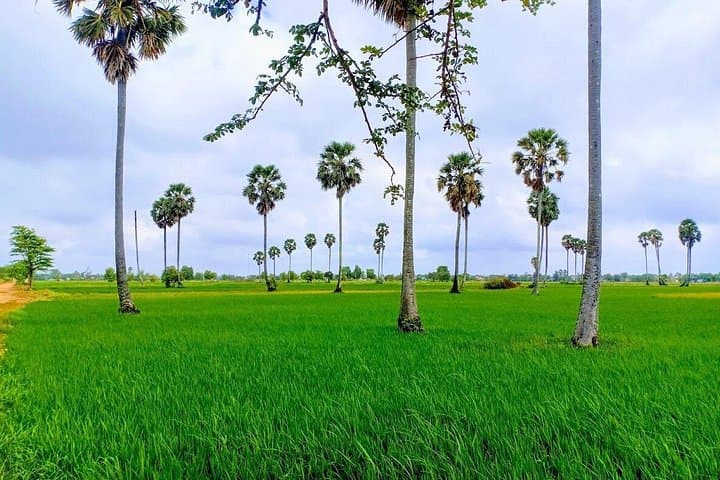
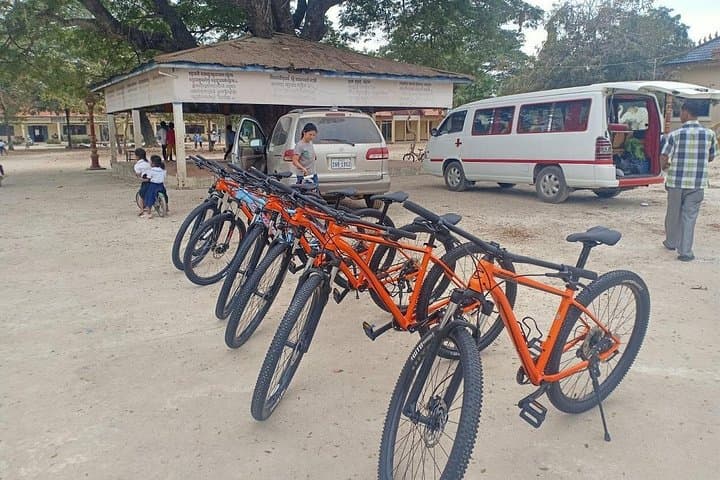
You step off the tuk-tuk into wind that slides across open rice paddies, the hum of village life replacing Phnom Penh traffic. The route alternates between quiet farm tracks and shaded lanes, a ribbon of compacted earth where bicycles and ox carts share space with roadside vendors.
Verified experiences and guided adventures in the surrounding area.
Operated by Vana Adventure Travel · Phnom Penh, Phnom Penh
You step off the tuk-tuk into wind that slides across open rice paddies, the hum of village life replacing Phnom Penh traffic. The route alternates between quiet farm tracks and shaded lanes, a ribbon of compacted earth where bicycles and ox carts share space with roadside vendors.
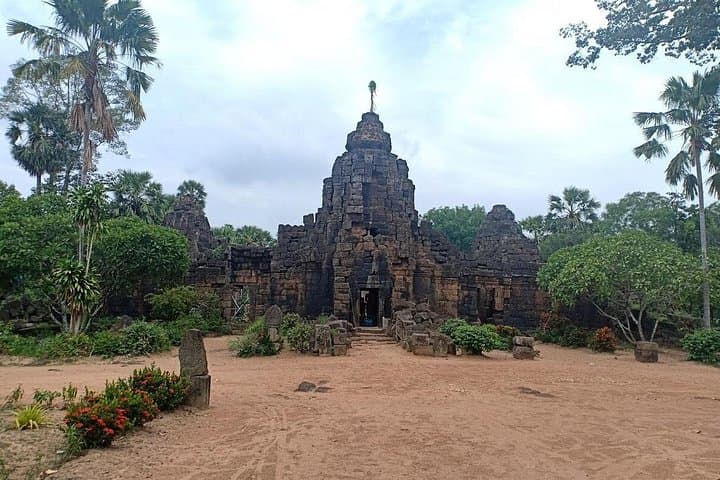
The day threads history and landscape: Ta Prohm at Tonle Bati—built under Jayavarman VII in the late 12th century—shows Khmer stonework of laterite and sandstone; the natural lake nearby was reshaped during the 20th century and now breathes cool air into the fields. The afternoon shifts tone at Choeung Ek (the Killing Fields), where an audio guide explains the late 1970s Khmer Rouge atrocities; silence and respectful dress are expected here.
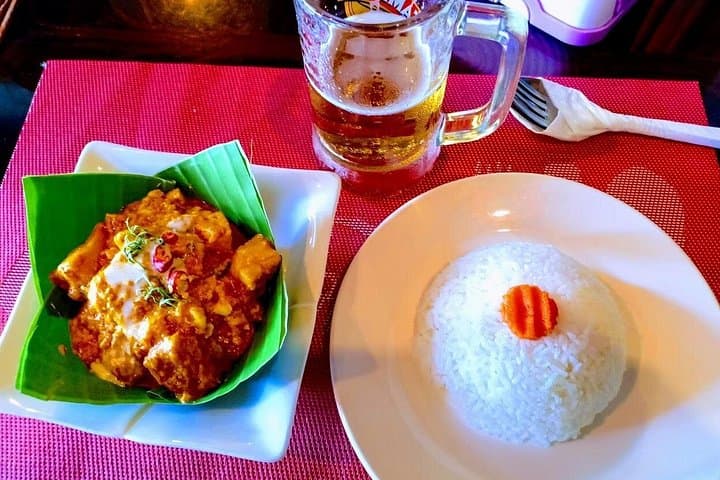
Geologically, the plain is alluvial—flat, fertile ground fed by seasonal Tonle Sap rhythms—so expect soft mud in the rainy season and hard-packed trails in the dry months. Culturally, villages are practical and observant: market mornings bustle (6–11am), and local picnic huts serve simple Khmer dishes—rice, grilled fish, and fresh fruit.
Practical guidance: the full excursion runs about eight hours with short rides interspersed by walks and a tuk-tuk-supported return. Wear closed shoes for temple and memorial visits, sun protection for open fields, and a light rain layer in monsoon season. Carry cash for small purchases and be prepared to dismount for narrow sections in villages. Pace yourself on the bike; the guide will brief on signals and safe passing. In short, this is a balanced day that pairs easy rural cycling with solemn historical context and straightforward logistics.
moderate.
8 hours.
Should have moderate fitness — able to bike several short stretches and handle brief walks and stairs at temple sites.
Yes — the cycling segments are along flat village roads and paddy tracks with tuk-tuk support available; moderate fitness is advised.
Lunch and water are included; some temple and memorial accept modest admission fees — confirm with your booking provider.
The tour is about eight hours round-trip from Phnom Penh and uses a mix of tuk-tuk, bicycle, and short transfers by private vehicle.
Children can join but the Killing Fields visit is solemn and may be distressing; infant seats and stroller access are available for younger children.
Ta Prohm at Tonle Bati dates to Jayavarman VII’s 12th–13th century building campaigns; Choeung Ek became a mass execution and burial site during the Khmer Rouge (1975–1979).
Stick to marked paths through paddies to avoid peat and crop damage; support local vendors to help keep income within village economies.
Vana Adventure Travel operates guided outdoor trips and adventures with an emphasis on safety, stewardship, and memorable experiences.
You step off the tuk-tuk into wind that slides across open rice paddies, the hum of village life replacing Phnom Penh traffic. The route alternates between quiet farm tracks and shaded lanes, a ribbon of compacted earth where bicycles and ox carts share space with roadside vendors.
You step off the tuk-tuk into wind that slides across open rice paddies, the hum of village life replacing Phnom Penh traffic. The route alternates between quiet farm tracks and shaded lanes, a ribbon of compacted earth where bicycles and ox carts share space with roadside vendors.
The day threads history and landscape: Ta Prohm at Tonle Bati—built under Jayavarman VII in the late 12th century—shows Khmer stonework of laterite and sandstone; the natural lake nearby was reshaped during the 20th century and now breathes cool air into the fields. The afternoon shifts tone at Choeung Ek (the Killing Fields), where an audio guide explains the late 1970s Khmer Rouge atrocities; silence and respectful dress are expected here.
Geologically, the plain is alluvial—flat, fertile ground fed by seasonal Tonle Sap rhythms—so expect soft mud in the rainy season and hard-packed trails in the dry months. Culturally, villages are practical and observant: market mornings bustle (6–11am), and local picnic huts serve simple Khmer dishes—rice, grilled fish, and fresh fruit.
Practical guidance: the full excursion runs about eight hours with short rides interspersed by walks and a tuk-tuk-supported return. Wear closed shoes for temple and memorial visits, sun protection for open fields, and a light rain layer in monsoon season. Carry cash for small purchases and be prepared to dismount for narrow sections in villages. Pace yourself on the bike; the guide will brief on signals and safe passing. In short, this is a balanced day that pairs easy rural cycling with solemn historical context and straightforward logistics.