THE ADVENTURE COLLECTIVE® · Independent discovery and booking for outdoor travel

Walk Phnom Penh’s riverside from the Royal Palace to Wat Botum, take a short local ferry, and sample street snacks (optional: edible insects). This 2½‑hour tour pairs urban history with practical local insight—ideal for travelers who want a compact, sensory introduction to the capital.
Walk Phnom Penh’s riverside from the Royal Palace to Wat Botum, take a short local ferry, and sample street snacks (optional: edible insects). This 2½‑hour tour pairs urban history with practical local insight—ideal for travelers who want a compact, sensory introduction to the capital.
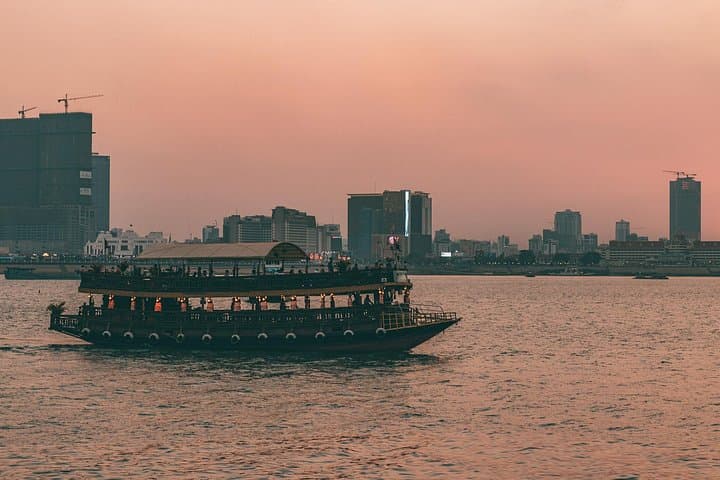
The river pulls the city toward itself: tuk-tuks hum, vendors call, and the Tonle Sap's current nudges the ferry into view as the sun begins to lean west. You step onto Sisowath Quay and the walk unfolds—wide riverside promenade, the gilded edges of the Royal Palace, and the quieter shade of Wat Botum Park as the city breathes around you.
Verified experiences and guided adventures in the surrounding area.
Operated by Mad Monkey Phnom Penh · Phnom Penh, Phnom Penh
The river pulls the city toward itself: tuk-tuks hum, vendors call, and the Tonle Sap's current nudges the ferry into view as the sun begins to lean west. You step onto Sisowath Quay and the walk unfolds—wide riverside promenade, the gilded edges of the Royal Palace, and the quieter shade of Wat Botum Park as the city breathes around you.
This short urban route threads modern Phnom Penh with its recent past. The Royal Palace compounds mark the 19th‑century center of royal and national ceremony while riverside commerce recalls a longer history of trade at the Mekong–Tonle Sap confluence. Wat Botum’s grounds provide a simple cultural pause: Buddhist prayer flags, manicured trees, and local life that slows for a moment.
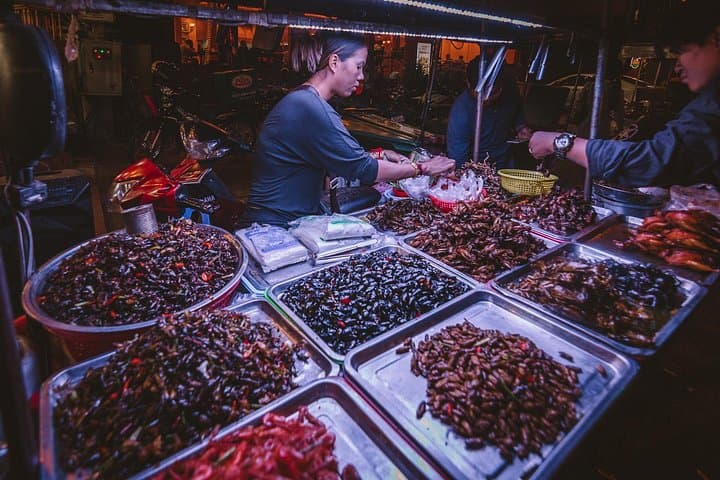
Expect an easy-paced 2½‑hour stroll that includes a short local ferry crossing—an everyday slice of Cambodian transport—plus curated snacks and one included beverage. Guides point out architectural details, the rhythm of riverside commerce, and offer optional local bites (yes, edible insects are commonly offered).
Practical edge: wear closed‑toe walking shoes, carry water, and bring small-denomination Riel or Khmer notes for incidental purchases. The route is mostly flat but can be hot and humid; mornings and late afternoons are the most comfortable windows. Accessibility is limited by uneven sidewalks and ferry boarding; this tour notes medical restrictions and an 18+ age policy. For first-time visitors, it’s an efficient, sensory way to read Phnom Penh’s waterfront life and local flavors without committing to long transit times.
moderate.
2–2.5 hours.
Requires a moderate level of fitness for continuous walking on uneven sidewalks and ferry steps.
Yes—the itinerary includes a short local ferry crossing as part of the 2½‑hour route.
No—trying bugs is optional; guides will present them but you can decline without issue.
The tour is organized by the hostel operator and typically departs from or near Mad Monkey’s riverside location; guides commonly speak English and conversational Khmer.
The operator advises that it is not recommended for pregnant travelers or those with significant heart or spinal conditions due to walking and ferry boarding.
The riverside has long been Phnom Penh’s commercial spine; the nearby Royal Palace became a center of modern Cambodian state life in the 19th century and shaped the waterfront’s civic identity.
The Tonle Sap–Mekong corridor faces urban pollution pressures—carry out waste, avoid single‑use plastics, and support local vendors who follow sustainable practices.
Mad Monkey Phnom Penh operates guided outdoor trips and adventures with an emphasis on safety, stewardship, and memorable experiences.


The river pulls the city toward itself: tuk-tuks hum, vendors call, and the Tonle Sap's current nudges the ferry into view as the sun begins to lean west. You step onto Sisowath Quay and the walk unfolds—wide riverside promenade, the gilded edges of the Royal Palace, and the quieter shade of Wat Botum Park as the city breathes around you.
The river pulls the city toward itself: tuk-tuks hum, vendors call, and the Tonle Sap's current nudges the ferry into view as the sun begins to lean west. You step onto Sisowath Quay and the walk unfolds—wide riverside promenade, the gilded edges of the Royal Palace, and the quieter shade of Wat Botum Park as the city breathes around you.
This short urban route threads modern Phnom Penh with its recent past. The Royal Palace compounds mark the 19th‑century center of royal and national ceremony while riverside commerce recalls a longer history of trade at the Mekong–Tonle Sap confluence. Wat Botum’s grounds provide a simple cultural pause: Buddhist prayer flags, manicured trees, and local life that slows for a moment.
Expect an easy-paced 2½‑hour stroll that includes a short local ferry crossing—an everyday slice of Cambodian transport—plus curated snacks and one included beverage. Guides point out architectural details, the rhythm of riverside commerce, and offer optional local bites (yes, edible insects are commonly offered).
Practical edge: wear closed‑toe walking shoes, carry water, and bring small-denomination Riel or Khmer notes for incidental purchases. The route is mostly flat but can be hot and humid; mornings and late afternoons are the most comfortable windows. Accessibility is limited by uneven sidewalks and ferry boarding; this tour notes medical restrictions and an 18+ age policy. For first-time visitors, it’s an efficient, sensory way to read Phnom Penh’s waterfront life and local flavors without committing to long transit times.