THE ADVENTURE COLLECTIVE® · Independent discovery and booking for outdoor travel

Spend a private day exploring Phnom Penh’s Royal Palace, the National Museum, and the difficult history of Tuol Sleng and Choeung Ek. This full-day itinerary balances cultural highlights with practical guidance for a respectful and comfortable visit.
Spend a private day exploring Phnom Penh’s Royal Palace, the National Museum, and the difficult history of Tuol Sleng and Choeung Ek. This full-day itinerary balances cultural highlights with practical guidance for a respectful and comfortable visit.
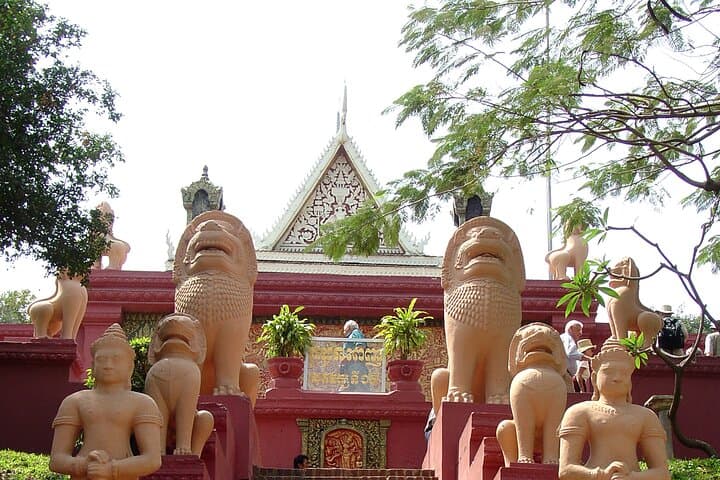
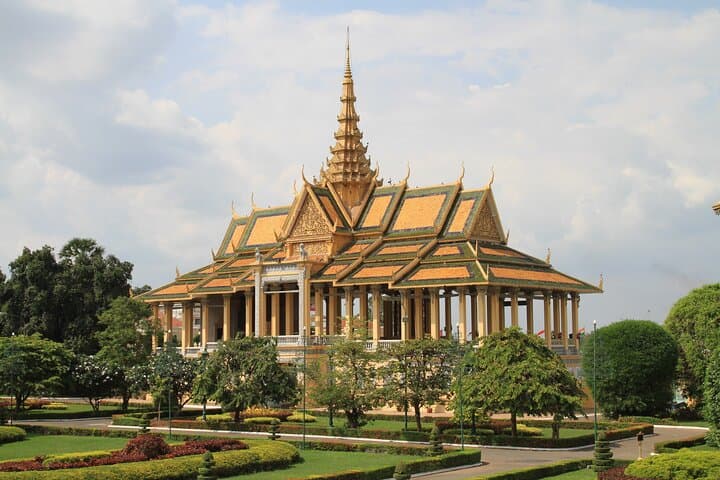
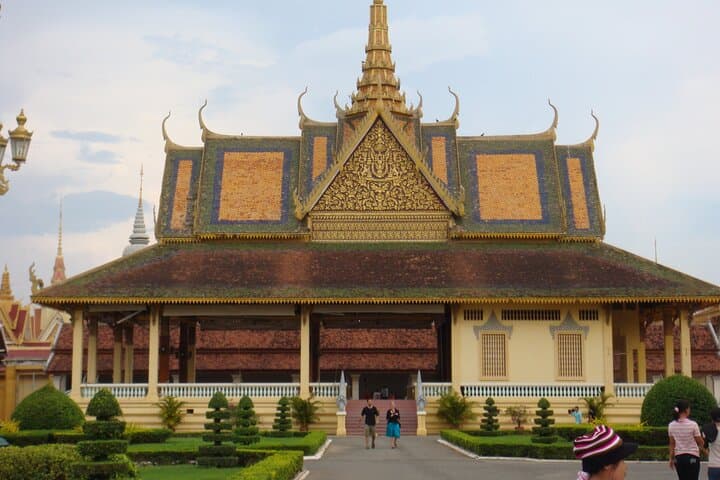
Early morning on the Tonle Sap bank, the city exhales steam and river light; tuk-tuks hum, and the Royal Palace’s gilded roofs catch the first sun.
Verified experiences and guided adventures in the surrounding area.
Operated by Phnom Penh Vip Private Car · Phnom Penh, Phnom Penh
Early morning on the Tonle Sap bank, the city exhales steam and river light; tuk-tuks hum, and the Royal Palace’s gilded roofs catch the first sun.
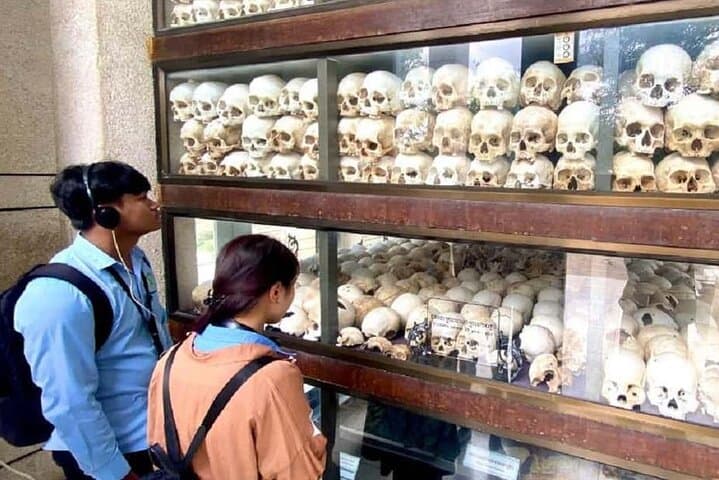
This full-day private tour threads those reflective edges of Phnom Penh — from the Western banks of Chaktomuk where the Mekong and Tonle Sap meet, to the calmer courtyards of the National Museum, and the heavy, necessary silence of Tuol Sleng and Choeung Ek. The palace complex, rebuilt in the early 20th century, shows French-era lines smoothed into Khmer ornament, while the National Museum houses a millennium of Angkorian sculpture that traces the city’s role as a cultural hub.
Geology and geography shaped Phnom Penh: a low, alluvial plain where seasonal floods push and pull the riverfront, feeding the city’s markets and the muddy banks that once brought the legendary logs to Lady Penh in 1372. Modern Phnom Penh layers Buddhist pagodas, colonial boulevards, and open-air markets like the Russian Market — a sensory counterpoint to the memorial sites outside town.
Visitors should prepare for a full day of walking and reflection. Expect 6–8 hours on pavement and stairs; wear closed walking shoes, sun protection, and modest clothing for temple visits. Bring a refillable water bottle, and plan to start early to avoid midday heat and the largest crowds. The tour’s air-conditioned van reduces transit fatigue, but the emotional intensity at Tuol Sleng and the Killing Fields calls for quiet respect and mental space. Leave time for a slow riverside coffee at Sisowath Quay afterwards — a practical breath after a day that balances history, culture, and city life.
easy.
8 hours.
Suitable for most fitness levels with several hours of walking and standing; comfortable walking shoes recommended
Admission is typically not included in the base tour price; plan to pay entry fees on-site or confirm inclusion with the operator when booking.
The van provides easy transport, but some historic sites have stairs, uneven paths, and limited wheelchair access; contact the operator to discuss specific accessibility needs.
These are memorial sites; speak quietly, avoid casual photos of remains, and follow signage and guide instructions to show respect for victims and survivors.
Itineraries usually include short stops at markets and Sisowath Quay; confirm with your driver for flexibility if you want extra browsing time.
Phnom Penh grew from a 14th-century river landing attributed to Lady Penh and later developed into Cambodia’s colonial and royal capital; the city also bears the scars of the Khmer Rouge era, visible at Tuol Sleng and Choeung Ek.
Respect memorial sites by staying on paths and not removing artifacts; support small local businesses and guides to keep tourism benefits in the community.
Phnom Penh Vip Private Car operates guided outdoor trips and adventures with an emphasis on safety, stewardship, and memorable experiences.
Early morning on the Tonle Sap bank, the city exhales steam and river light; tuk-tuks hum, and the Royal Palace’s gilded roofs catch the first sun.
Early morning on the Tonle Sap bank, the city exhales steam and river light; tuk-tuks hum, and the Royal Palace’s gilded roofs catch the first sun.
This full-day private tour threads those reflective edges of Phnom Penh — from the Western banks of Chaktomuk where the Mekong and Tonle Sap meet, to the calmer courtyards of the National Museum, and the heavy, necessary silence of Tuol Sleng and Choeung Ek. The palace complex, rebuilt in the early 20th century, shows French-era lines smoothed into Khmer ornament, while the National Museum houses a millennium of Angkorian sculpture that traces the city’s role as a cultural hub.
Geology and geography shaped Phnom Penh: a low, alluvial plain where seasonal floods push and pull the riverfront, feeding the city’s markets and the muddy banks that once brought the legendary logs to Lady Penh in 1372. Modern Phnom Penh layers Buddhist pagodas, colonial boulevards, and open-air markets like the Russian Market — a sensory counterpoint to the memorial sites outside town.
Visitors should prepare for a full day of walking and reflection. Expect 6–8 hours on pavement and stairs; wear closed walking shoes, sun protection, and modest clothing for temple visits. Bring a refillable water bottle, and plan to start early to avoid midday heat and the largest crowds. The tour’s air-conditioned van reduces transit fatigue, but the emotional intensity at Tuol Sleng and the Killing Fields calls for quiet respect and mental space. Leave time for a slow riverside coffee at Sisowath Quay afterwards — a practical breath after a day that balances history, culture, and city life.