THE ADVENTURE COLLECTIVE® · Independent discovery and booking for outdoor travel

Taste Phnom Penh like a local on a 3–4 hour small-group tour that links Wat Botum, the riverside, and Phsar Orussey market. Expect Khmer noodles, grilled meats, fermented sauces and adventurous snacks—plus practical tips for navigating busy markets.
Taste Phnom Penh like a local on a 3–4 hour small-group tour that links Wat Botum, the riverside, and Phsar Orussey market. Expect Khmer noodles, grilled meats, fermented sauces and adventurous snacks—plus practical tips for navigating busy markets.
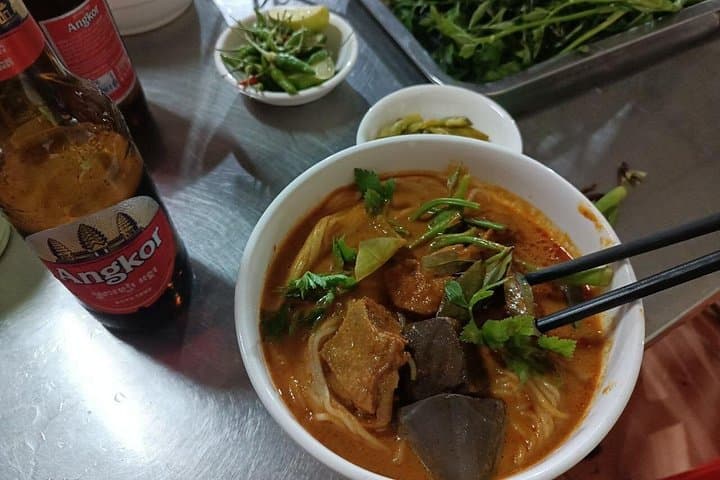
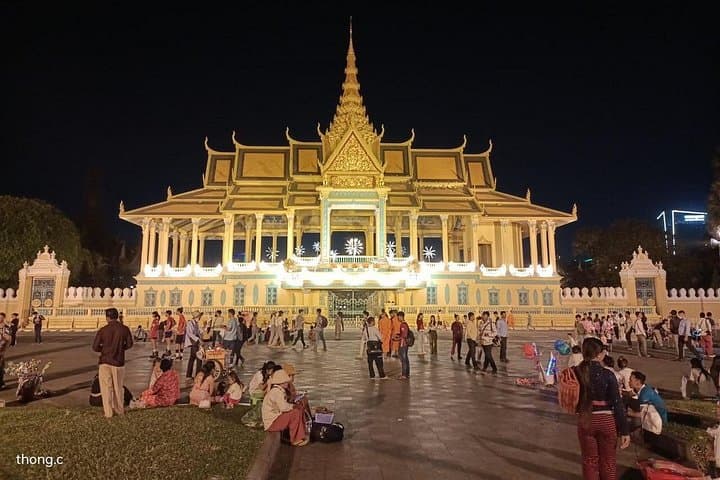
The tuk-tuk rattles down a riverside road as dusk softens Phnom Penh; steam rises from a roadside pot of Num Banh Chok while the Tonle Sap river dares you to follow its current of vendors and chatter. You meet at Wat Botum park for a briefing, sip a welcome drink and step into a walking loop that threads temple-lined streets, a riverside promenade and the pungent stalls of Phsar Orussey.
Verified experiences and guided adventures in the surrounding area.
Operated by Vana Adventure Travel · Phnom Penh, Phnom Penh
The tuk-tuk rattles down a riverside road as dusk softens Phnom Penh; steam rises from a roadside pot of Num Banh Chok while the Tonle Sap river dares you to follow its current of vendors and chatter. You meet at Wat Botum park for a briefing, sip a welcome drink and step into a walking loop that threads temple-lined streets, a riverside promenade and the pungent stalls of Phsar Orussey.
Cambodian street food carries layers of history: Khmer noodles trace recipes used in the 13th century, Vietnamese and Chinese influences arrived through trade and migration, and the market’s traditional medicine shops reveal older systems of healing. The ground is flat but lively—open-air grills, baskets of insects, and trays of fermented condiments create a sensory map rather than a hiking trail.
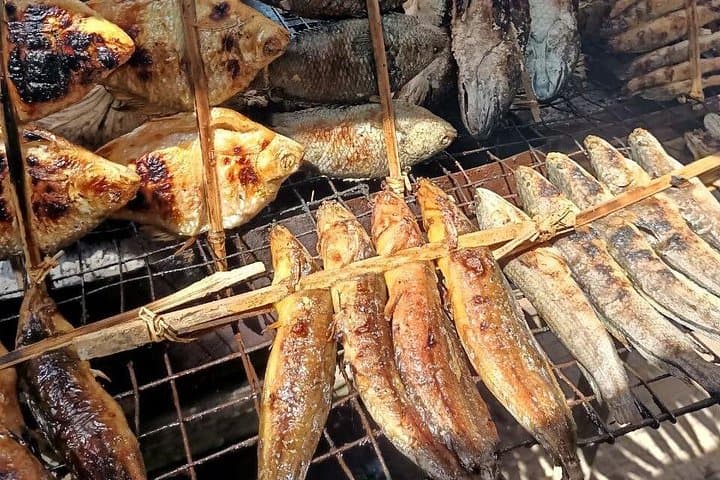
Expect 3–4 hours of easy walking, sampling small portions—Num Banh Chok, grilled meats, fermented fish sauces, balut, and a rotating roster of fried insects for the adventurous. Guides translate names, point out seasonally available produce, and explain where flavors come from so you can choose confidently.
Practical notes: carry small cash for market purchases, wear closed-toe shoes for crowded aisles, and bring a lightweight rain layer during the wet season. Hydrate in Phnom Penh’s heat and pace tastings—this is a culinary reconnaissance, not a test of endurance. The trip is ideal for anyone curious about local foodways, open to bold flavors, and comfortable walking short city blocks between stops.
easy.
3–4 hours.
Minimal fitness required—able to walk short city blocks and stand at food stalls for tasting.
The tour runs about 3–4 hours, with time spent walking between multiple tasting stops and exploring Phsar Orussey market.
Yes—guides introduce a range of local snacks including fried insects and other adventurous items; you can opt out of any tasting.
Pickup and drop-off are included; exact meeting and pickup details are confirmed at booking and may be by tuk-tuk or minibus depending on group size.
The tour is family-friendly in pace, but some foods (fermented items, whole eggs like balut, and insects) may not be appropriate for all children—use parental discretion.
Num Banh Chok is an ancient Khmer noodle dish traced back centuries; Phnom Penh’s markets absorbed Chinese and Vietnamese culinary influences over successive waves of trade and migration.
Pack out any wrappers and avoid buying wildlife products that may be illegal; support stalls that source fish and meat responsibly and follow guide advice on sustainable choices.
Vana Adventure Travel operates guided outdoor trips and adventures with an emphasis on safety, stewardship, and memorable experiences.
The tuk-tuk rattles down a riverside road as dusk softens Phnom Penh; steam rises from a roadside pot of Num Banh Chok while the Tonle Sap river dares you to follow its current of vendors and chatter. You meet at Wat Botum park for a briefing, sip a welcome drink and step into a walking loop that threads temple-lined streets, a riverside promenade and the pungent stalls of Phsar Orussey.
The tuk-tuk rattles down a riverside road as dusk softens Phnom Penh; steam rises from a roadside pot of Num Banh Chok while the Tonle Sap river dares you to follow its current of vendors and chatter. You meet at Wat Botum park for a briefing, sip a welcome drink and step into a walking loop that threads temple-lined streets, a riverside promenade and the pungent stalls of Phsar Orussey.
Cambodian street food carries layers of history: Khmer noodles trace recipes used in the 13th century, Vietnamese and Chinese influences arrived through trade and migration, and the market’s traditional medicine shops reveal older systems of healing. The ground is flat but lively—open-air grills, baskets of insects, and trays of fermented condiments create a sensory map rather than a hiking trail.
Expect 3–4 hours of easy walking, sampling small portions—Num Banh Chok, grilled meats, fermented fish sauces, balut, and a rotating roster of fried insects for the adventurous. Guides translate names, point out seasonally available produce, and explain where flavors come from so you can choose confidently.
Practical notes: carry small cash for market purchases, wear closed-toe shoes for crowded aisles, and bring a lightweight rain layer during the wet season. Hydrate in Phnom Penh’s heat and pace tastings—this is a culinary reconnaissance, not a test of endurance. The trip is ideal for anyone curious about local foodways, open to bold flavors, and comfortable walking short city blocks between stops.