THE ADVENTURE COLLECTIVE® · Independent discovery and booking for outdoor travel

Spend a focused half-day in Phnom Penh visiting the Royal Palace and Silver Pagoda, then confronting Cambodia’s recent history at Tuol Sleng and the Killing Fields. This guided tour combines cultural highlights with reflective memorials—ideal for first-time visitors seeking context and convenience.
Spend a focused half-day in Phnom Penh visiting the Royal Palace and Silver Pagoda, then confronting Cambodia’s recent history at Tuol Sleng and the Killing Fields. This guided tour combines cultural highlights with reflective memorials—ideal for first-time visitors seeking context and convenience.
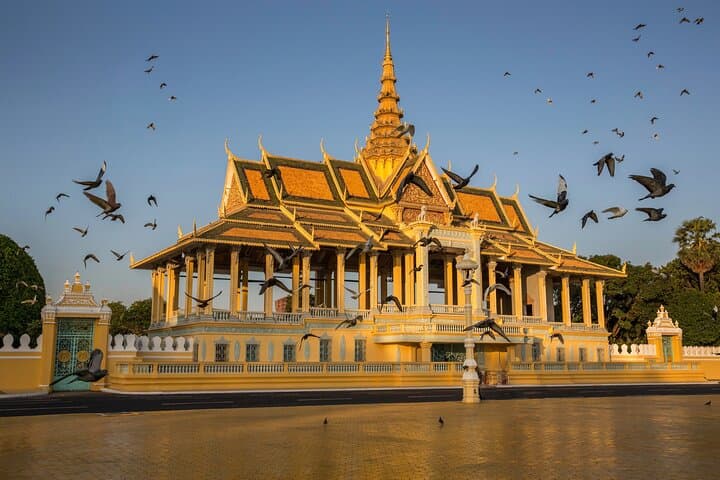
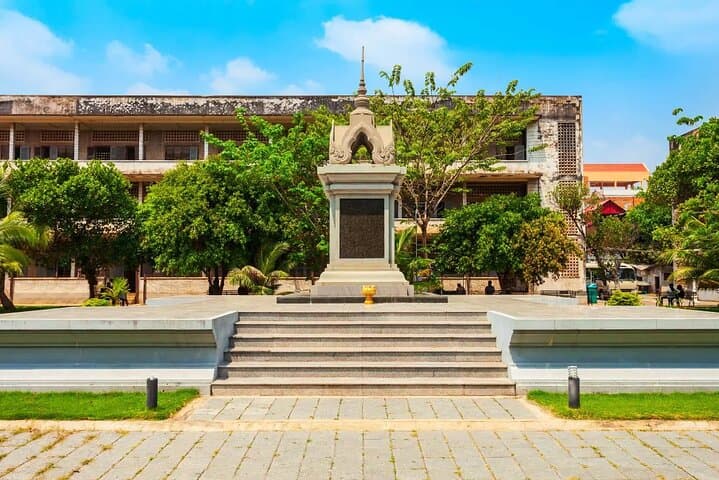
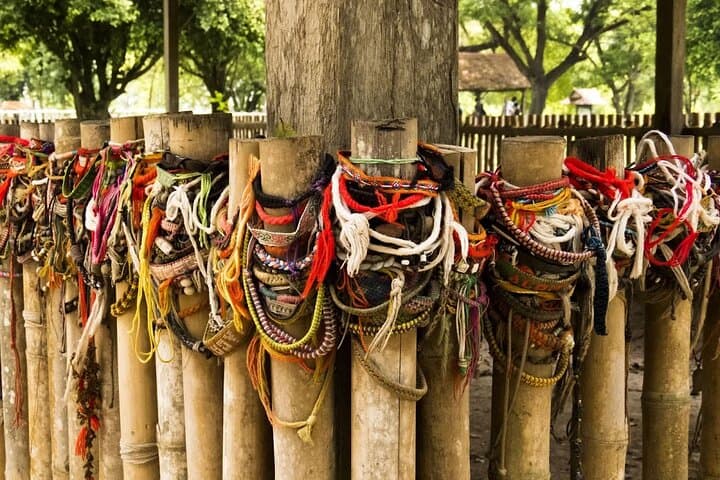
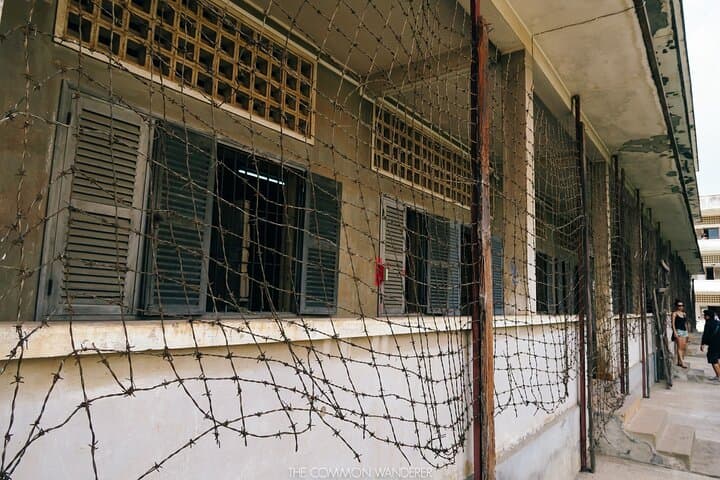
Morning light slices across the Tonle Sap as a small group steps out onto Phnom Penh’s riverfront—traffic hums, vendors call, and the Royal Palace’s gilded roofs catch the sun. This half-day tour moves at a steady, reflective pace: first through the palace complex and the Silver Pagoda’s tile-studded floor, then into darker chapters at Tuol Sleng (S-21) and Choeung Ek, where history demands silence and attention.
Verified experiences and guided adventures in the surrounding area.
Operated by Mekong Tourist · Phnom Penh, Phnom Penh
Morning light slices across the Tonle Sap as a small group steps out onto Phnom Penh’s riverfront—traffic hums, vendors call, and the Royal Palace’s gilded roofs catch the sun. This half-day tour moves at a steady, reflective pace: first through the palace complex and the Silver Pagoda’s tile-studded floor, then into darker chapters at Tuol Sleng (S-21) and Choeung Ek, where history demands silence and attention.
The route threads Cambodia’s royal and modern history. The Royal Palace (built 1866) and Silver Pagoda offer a look at Khmer craftsmanship and royal ritual. In contrast, S-21 and the Killing Fields document the brutal Pol Pot era of the 1970s—sites preserved as memorials and museums rather than conventional attractions.
Expect mostly flat, urban walking on paved surfaces with short museum staircases. Guides typically allow time for questions and quiet reflection; visits include admission and bottled water. Cultural norms matter: shoulders and knees should be covered for temple areas, and photography can be restricted inside memorial exhibits.
Plan mornings to avoid peak heat and crowds; aim for pickup windows between 7:30–8:30 AM to align with the itinerary. Bring a reusable water bottle, modest clothing, and a compact sun hat. Allow extra time after the tour to walk the riverside or visit a nearby market if you want to extend the day.
This experience is direct and sober—part city sightseeing, part historical education. It’s best for travelers who want concise context for Cambodia’s past alongside accessible cultural highlights.
easy.
3–4 hours.
Suitable for most fitness levels; requires short, flat urban walks and standing in museum spaces.
Pickups occur between 7:30–8:30 AM and the guided program runs about 3–4 hours, depending on traffic and group size.
Yes—cover shoulders and knees at the Royal Palace and Silver Pagoda; modest attire is also recommended when visiting memorial sites out of respect.
These sites contain graphic historical displays and mass grave memorials; discretion is advised for young children and those sensitive to difficult subject matter.
Yes—this tour includes hotel pickup and drop-off within Phnom Penh; confirm your pickup point at booking.
Phnom Penh grew as Cambodia’s capital under French colonial administration and later became central to the country’s modern monarchy; the city also holds sites documenting the Khmer Rouge’s rule in the 1970s.
Visitor behavior matters at memorial sites—avoid touching exhibits and reduce plastic waste; support local museums and memorials that maintain preservation efforts.
Mekong Tourist operates guided outdoor trips and adventures with an emphasis on safety, stewardship, and memorable experiences.
Morning light slices across the Tonle Sap as a small group steps out onto Phnom Penh’s riverfront—traffic hums, vendors call, and the Royal Palace’s gilded roofs catch the sun. This half-day tour moves at a steady, reflective pace: first through the palace complex and the Silver Pagoda’s tile-studded floor, then into darker chapters at Tuol Sleng (S-21) and Choeung Ek, where history demands silence and attention.
Morning light slices across the Tonle Sap as a small group steps out onto Phnom Penh’s riverfront—traffic hums, vendors call, and the Royal Palace’s gilded roofs catch the sun. This half-day tour moves at a steady, reflective pace: first through the palace complex and the Silver Pagoda’s tile-studded floor, then into darker chapters at Tuol Sleng (S-21) and Choeung Ek, where history demands silence and attention.
The route threads Cambodia’s royal and modern history. The Royal Palace (built 1866) and Silver Pagoda offer a look at Khmer craftsmanship and royal ritual. In contrast, S-21 and the Killing Fields document the brutal Pol Pot era of the 1970s—sites preserved as memorials and museums rather than conventional attractions.
Expect mostly flat, urban walking on paved surfaces with short museum staircases. Guides typically allow time for questions and quiet reflection; visits include admission and bottled water. Cultural norms matter: shoulders and knees should be covered for temple areas, and photography can be restricted inside memorial exhibits.
Plan mornings to avoid peak heat and crowds; aim for pickup windows between 7:30–8:30 AM to align with the itinerary. Bring a reusable water bottle, modest clothing, and a compact sun hat. Allow extra time after the tour to walk the riverside or visit a nearby market if you want to extend the day.
This experience is direct and sober—part city sightseeing, part historical education. It’s best for travelers who want concise context for Cambodia’s past alongside accessible cultural highlights.