THE ADVENTURE COLLECTIVE® · Independent discovery and booking for outdoor travel

Spend a full day moving from the gilded Royal Palace to the sobering Killing Fields and then off to Silk Island. This guided loop blends history, culture, and village life with practical logistics like tuk‑tuk pickup and on‑site admissions.
Spend a full day moving from the gilded Royal Palace to the sobering Killing Fields and then off to Silk Island. This guided loop blends history, culture, and village life with practical logistics like tuk‑tuk pickup and on‑site admissions.
Morning light spills across the wide boulevard by the Independence Monument, and the city hums with motorbikes and tuk-tuks as you step toward the Royal Palace grounds.
Verified experiences and guided adventures in the surrounding area.
Operated by Lina Smile Tour · Phnom Penh, Phnom Penh
Morning light spills across the wide boulevard by the Independence Monument, and the city hums with motorbikes and tuk-tuks as you step toward the Royal Palace grounds.
This full-day route threads Phnom Penh’s key narratives: the glittering ceremonial halls of the King’s residence and the Silver Pagoda’s mosaic floor, the modest hillock of Wat Phnom where the city’s founding story begins, followed by stark visits to S-21 and Choeung Ek that confront the Khmer Rouge era. A later rhythm shifts to the Mekong’s quieter edge—riverbank villages and Silk Island where looms click and farmers tend rice plots.
Geology here is flat floodplain—silty soils fed by the Mekong—so paths are easy underfoot, though seasonal rain can turn lanes muddy. Culture alternates between royal pageantry and intimate craft traditions; the National Museum anchors Khmer art from the 6th–13th centuries and offers context before the day’s darker history sites.
Practical guidance: expect a 6–7 hour outing with hotel pickup options by tuk-tuk or air-conditioned car. Admissions to major sites are typically paid on site; bring cash. Dress conservatively for temples and when visiting memorials—shoulders and knees covered—and allocate quiet time at the genocide memorials.
Bring sun protection, refillable water, and comfortable walking shoes; pace the day so the emotional weight of the memorials doesn’t blunt the quieter cultural moments. With straightforward logistics and local guides, this tour delivers a concentrated, respectful overview of Phnom Penh’s layered past and present.
easy.
6–7 hours.
Suitable for most fitness levels; expect moderate walking with occasional steps and uneven surfaces
The tour runs about 6–7 hours; it includes hotel pickup, a local English-speaking guide, tuk-tuk or car transport, and stops at the Royal Palace, National Museum, Wat Phnom, S-21, Choeung Ek, and Silk Island—site admissions are typically paid on arrival.
These are sensitive sites; consider maturity and prepare children with calm explanations. The atmosphere is solemn and content can be distressing.
Yes—providers usually offer tuk-tuk or air‑conditioned car options; request your preference at booking and note any accessibility needs.
Haggling is common but should be polite; many goods support local artisans, so reasonable offers are appreciated.
Phnom Penh grew into Cambodia’s capital in the 15th century and later became the seat of monarchy; the city also bears the traumatic imprint of the Khmer Rouge era in the 1970s.
Touring responsibly means minimizing plastic use on river islands and supporting certified community-run silk cooperatives to ensure fair income and reduce overexploitation.
Lina Smile Tour operates guided outdoor trips and adventures with an emphasis on safety, stewardship, and memorable experiences.
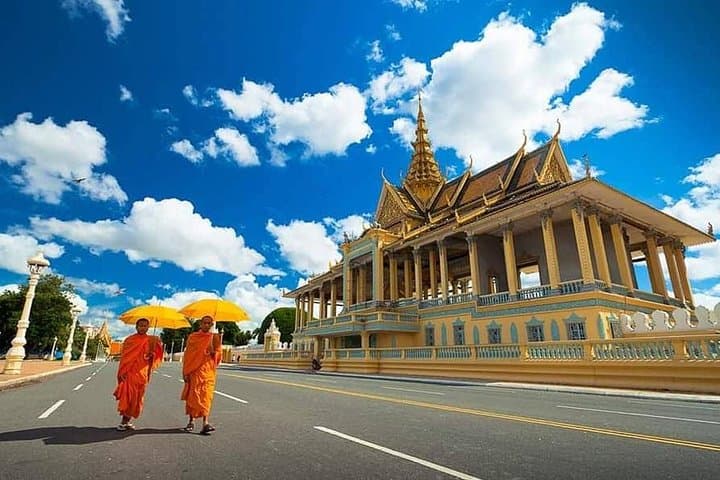
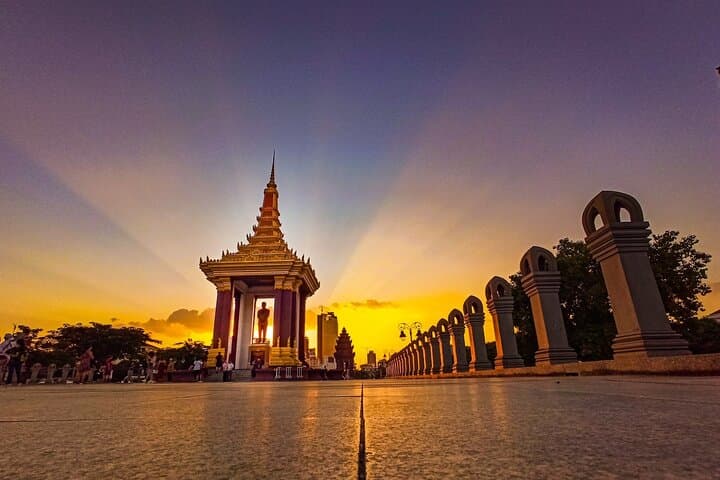
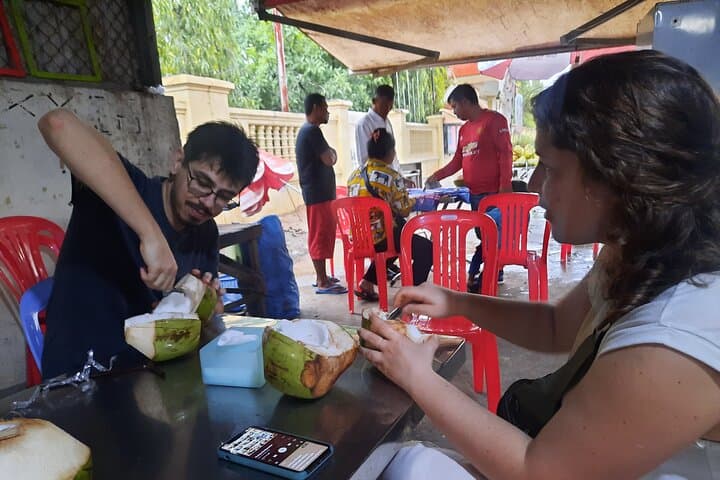
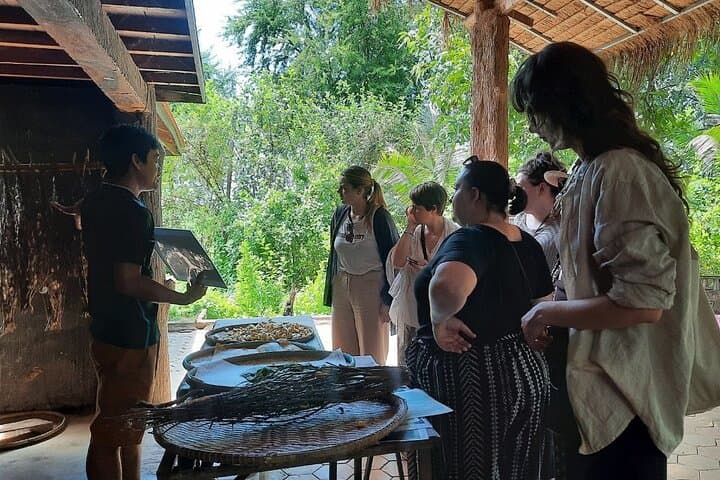
Morning light spills across the wide boulevard by the Independence Monument, and the city hums with motorbikes and tuk-tuks as you step toward the Royal Palace grounds.
Morning light spills across the wide boulevard by the Independence Monument, and the city hums with motorbikes and tuk-tuks as you step toward the Royal Palace grounds.
This full-day route threads Phnom Penh’s key narratives: the glittering ceremonial halls of the King’s residence and the Silver Pagoda’s mosaic floor, the modest hillock of Wat Phnom where the city’s founding story begins, followed by stark visits to S-21 and Choeung Ek that confront the Khmer Rouge era. A later rhythm shifts to the Mekong’s quieter edge—riverbank villages and Silk Island where looms click and farmers tend rice plots.
Geology here is flat floodplain—silty soils fed by the Mekong—so paths are easy underfoot, though seasonal rain can turn lanes muddy. Culture alternates between royal pageantry and intimate craft traditions; the National Museum anchors Khmer art from the 6th–13th centuries and offers context before the day’s darker history sites.
Practical guidance: expect a 6–7 hour outing with hotel pickup options by tuk-tuk or air-conditioned car. Admissions to major sites are typically paid on site; bring cash. Dress conservatively for temples and when visiting memorials—shoulders and knees covered—and allocate quiet time at the genocide memorials.
Bring sun protection, refillable water, and comfortable walking shoes; pace the day so the emotional weight of the memorials doesn’t blunt the quieter cultural moments. With straightforward logistics and local guides, this tour delivers a concentrated, respectful overview of Phnom Penh’s layered past and present.