THE ADVENTURE COLLECTIVE® · Independent discovery and booking for outdoor travel

Five days that move from Phnom Penh’s royal palaces and sombre Khmer Rouge sites to sunrise at Angkor Wat and live‑aboard life on Tonle Sap. A practical guide to what to expect, how to prepare, and the local logistics that shape this classic Cambodia circuit.
Five days that move from Phnom Penh’s royal palaces and sombre Khmer Rouge sites to sunrise at Angkor Wat and live‑aboard life on Tonle Sap. A practical guide to what to expect, how to prepare, and the local logistics that shape this classic Cambodia circuit.
The sun slips up behind the silhouette of Angkor Wat while tuk‑tuks hum through Phnom Penh’s flat, hot streets. You’ll cross the Mekong by ferry to quiet villages on Silk Island, queue at the Royal Palace, and watch boat houses drift on the swelling Tonle Sap — five days that move from colonial boulevards to jungle-swallowed stone.
Verified experiences and guided adventures in the surrounding area.
Operated by Peacock Asia Tours · Phnom Penh, Phnom Penh
The sun slips up behind the silhouette of Angkor Wat while tuk‑tuks hum through Phnom Penh’s flat, hot streets. You’ll cross the Mekong by ferry to quiet villages on Silk Island, queue at the Royal Palace, and watch boat houses drift on the swelling Tonle Sap — five days that move from colonial boulevards to jungle-swallowed stone.
This itinerary threads Cambodia’s major chapters: the Angkorian empire carved from sandstone in the 9th–15th centuries; French colonial architecture in Phnom Penh; and the recent, harsher memory of the Khmer Rouge preserved at Tuol Sleng and Choeung Ek. Geologically it’s lowland terrain — river plains and reservoir-fed lakes — with Angkor Archaeological Park stretching hundreds of square kilometers of temple ruins and trails.
Expect full days of walking on uneven stone, packed earth, and market alleys. Sunrise and sunset at Angkor demand early starts; the road transfer between Phnom Penh and Siem Reap is roughly 320 km by road (6–7 hours), or shorter by air. Temperatures are tropical year‑round, with a pronounced wet season where Tonle Sap expands dramatically.
Practical edge: wear closed, grippy shoes for temple surfaces, carry sun protection and insect repellent, and bring Cambodian riel or small USD notes for entry fees, tips, and village purchases. Respect temple dress codes (shoulders and knees covered) and budget time — even the ‘short’ stops often reward a slower pace. This tour is cultural, physically accessible, and best enjoyed with early mornings and a measured stride.
moderate.
5 days.
Moderate — comfortable walking for several hours daily on flat to uneven terrain; minimal climbing.
Most nationalities require a visa to enter Cambodia; e‑visas are available online and stamps can be obtained on arrival — check current requirements before travel.
Angkor Park requires a separate entry pass (1‑, 3‑, or 7‑day options) — confirm with your operator whether it’s included in your booking.
Many sites have uneven surfaces and steps; the operator lists wheelchair accessibility for parts of Phnom Penh but temple access can be restricted — contact them for specific arrangements.
By land it’s approximately 320 km and takes roughly 6–7 hours depending on traffic and stops; flights are available and shorten transit time.
Angkor was the capital of the Khmer Empire from the 9th to 15th centuries; Phnom Penh rose in prominence under French colonial rule and bears scars from the Khmer Rouge period.
High visitor numbers put pressure on fragile temple masonry and local waterways; support community‑run projects, avoid single‑use plastics, and follow site rules to reduce impact.
Peacock Asia Tours operates guided outdoor trips and adventures with an emphasis on safety, stewardship, and memorable experiences.
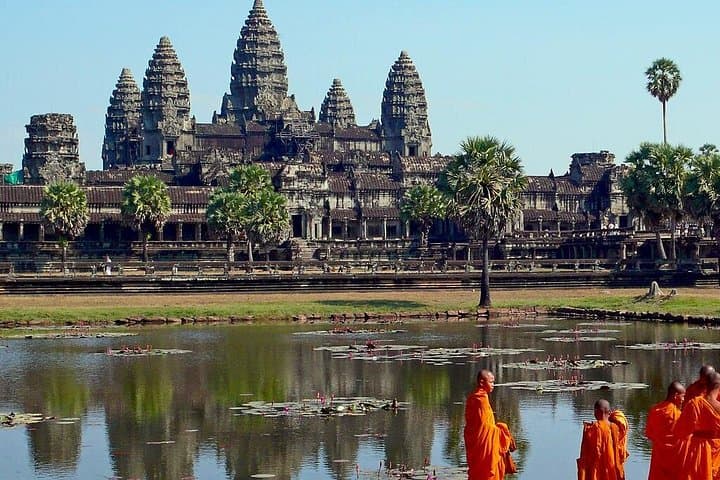
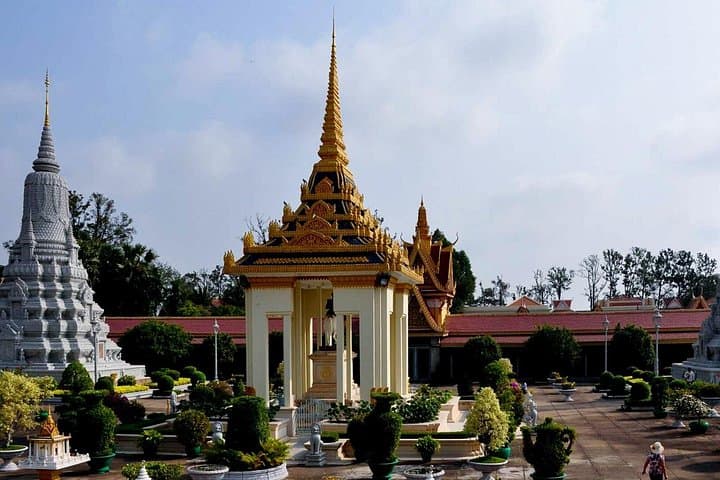
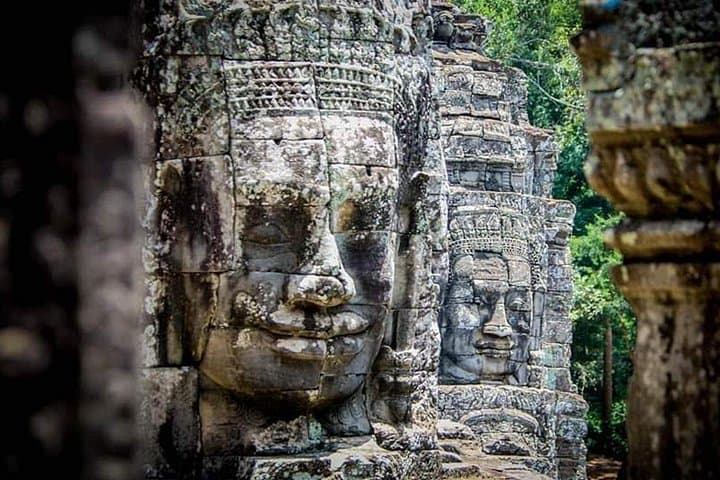
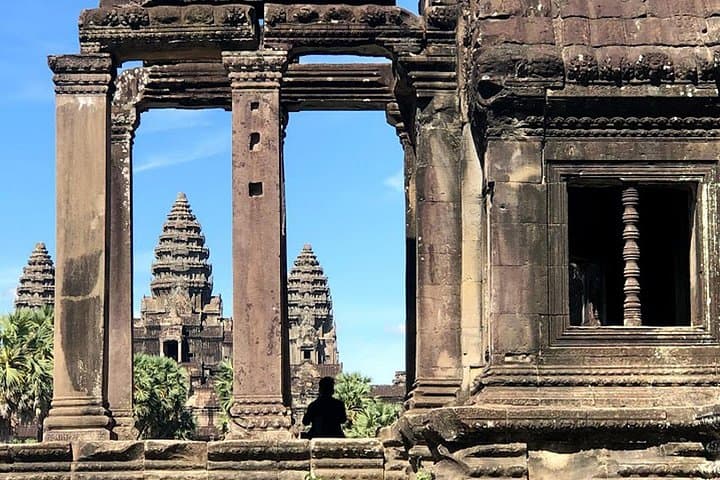
The sun slips up behind the silhouette of Angkor Wat while tuk‑tuks hum through Phnom Penh’s flat, hot streets. You’ll cross the Mekong by ferry to quiet villages on Silk Island, queue at the Royal Palace, and watch boat houses drift on the swelling Tonle Sap — five days that move from colonial boulevards to jungle-swallowed stone.
The sun slips up behind the silhouette of Angkor Wat while tuk‑tuks hum through Phnom Penh’s flat, hot streets. You’ll cross the Mekong by ferry to quiet villages on Silk Island, queue at the Royal Palace, and watch boat houses drift on the swelling Tonle Sap — five days that move from colonial boulevards to jungle-swallowed stone.
This itinerary threads Cambodia’s major chapters: the Angkorian empire carved from sandstone in the 9th–15th centuries; French colonial architecture in Phnom Penh; and the recent, harsher memory of the Khmer Rouge preserved at Tuol Sleng and Choeung Ek. Geologically it’s lowland terrain — river plains and reservoir-fed lakes — with Angkor Archaeological Park stretching hundreds of square kilometers of temple ruins and trails.
Expect full days of walking on uneven stone, packed earth, and market alleys. Sunrise and sunset at Angkor demand early starts; the road transfer between Phnom Penh and Siem Reap is roughly 320 km by road (6–7 hours), or shorter by air. Temperatures are tropical year‑round, with a pronounced wet season where Tonle Sap expands dramatically.
Practical edge: wear closed, grippy shoes for temple surfaces, carry sun protection and insect repellent, and bring Cambodian riel or small USD notes for entry fees, tips, and village purchases. Respect temple dress codes (shoulders and knees covered) and budget time — even the ‘short’ stops often reward a slower pace. This tour is cultural, physically accessible, and best enjoyed with early mornings and a measured stride.