THE ADVENTURE COLLECTIVE® · Independent discovery and booking for outdoor travel

A full-day loop from Siem Reap that pairs Phnom Kulen’s sacred waterfalls and River of a Thousand Lingas with visits to Wat Thmey (Killing Fields) and a local war museum. Expect jungle walks, historical context, and a 7–8 hour itinerary.
A full-day loop from Siem Reap that pairs Phnom Kulen’s sacred waterfalls and River of a Thousand Lingas with visits to Wat Thmey (Killing Fields) and a local war museum. Expect jungle walks, historical context, and a 7–8 hour itinerary.
You step out of Siem Reap's heat and the road climbs; the rainforest tightens, birds call like punctuation, and the engine eases as Phnom Kulen opens around you.
Verified experiences and guided adventures in the surrounding area.
Operated by Angkor Doors · Siem Reap, Siem Reap Province
You step out of Siem Reap's heat and the road climbs; the rainforest tightens, birds call like punctuation, and the engine eases as Phnom Kulen opens around you.
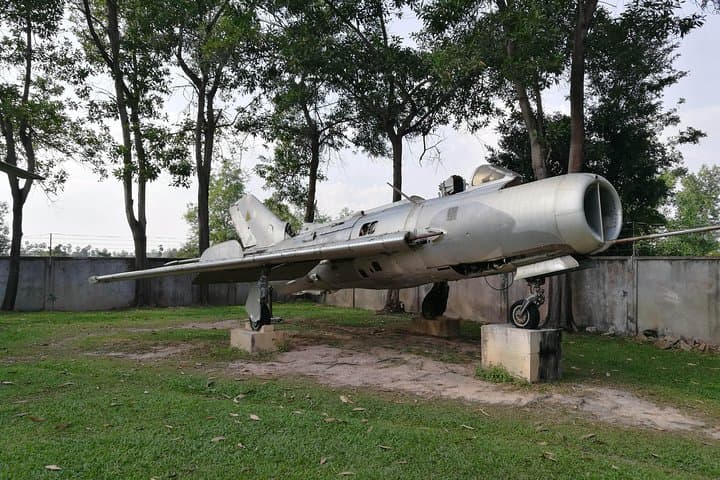
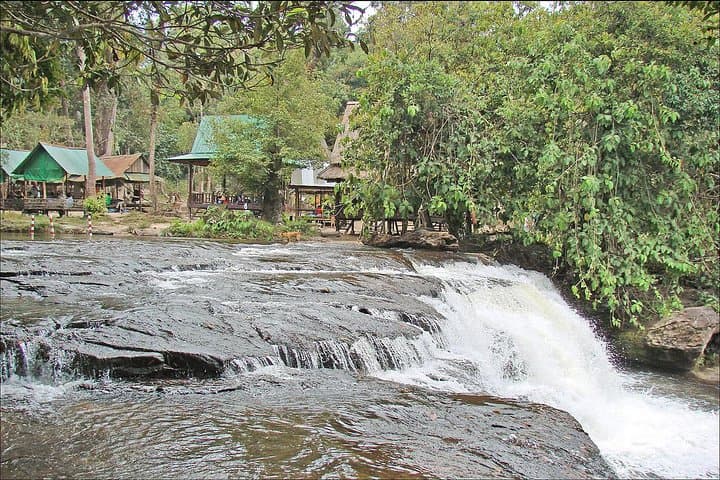
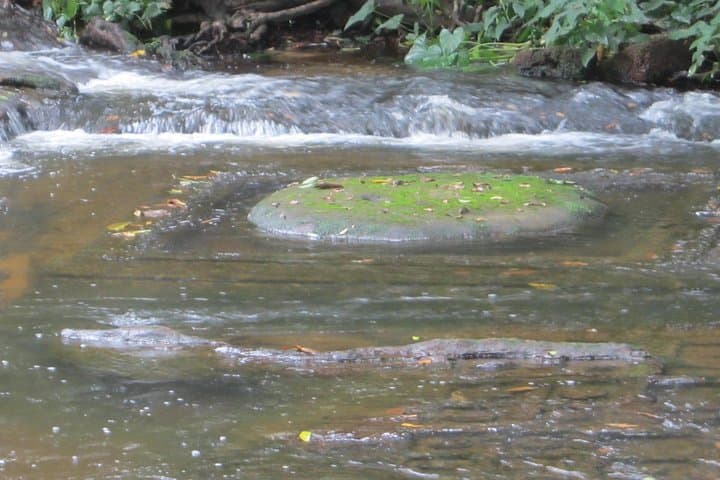
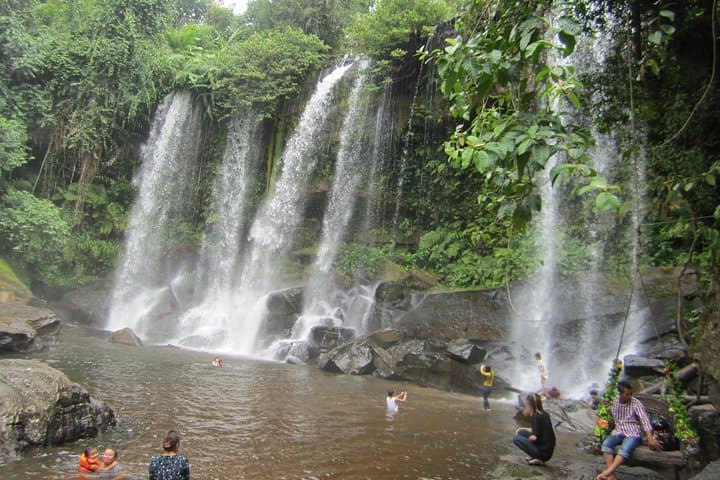
The tour moves between two strong, different stories: the mountain's ancient geology and Angkorian marks — sandstone carved into the River of a Thousand Lingas and a reclining Buddha set above the falls — and Cambodia's more recent past at Wat Thmey (Killing Fields) and the local war museum. Kulen is a raised sandstone plateau, its streams carving basins and shallow channels that were engraved by Angkor-era artisans; the river here almost dares you to wade among its sacred motifs.
Culturally, guides often translate local memory alongside archaeological facts: the reclining Buddha and small pagoda are active devotional sites, and nearby villages still practice age-old rice and craft traditions. The war museum may be closed intermittently, but guides commonly share family histories and photographs that contextualize the national trauma connected to the Killing Fields.
Practical guidance: expect a full day (roughly 7–8 hours) in an air-conditioned vehicle, with short walks on uneven jungle trails and steps to viewpoints and waterfalls. Bring sturdy walking shoes, sun and rain protection, and a modest outfit for pagoda visits. Carry cash for small entrance fees, and a reusable water bottle — cold bottled water is usually provided on tour, but refill points are limited.
Timing matters: visit early to avoid midday crowds at the falls and allow time for reflective visits at the historical sites.
easy.
7–8 hours.
Suitable for most fitness levels; includes short hikes on uneven terrain and stairs.
The tour runs about 7–8 hours and includes air-conditioned transport, an English-speaking guide, and cold drinking water; some admissions may be extra.
The museum’s opening status can change; guides typically offer historical briefings and photos if the museum is closed.
You can bathe at designated pools near the falls, but follow local guidance on where swimming is allowed and be careful on slippery rocks.
Yes—areas like the River of a Thousand Lingas are fragile; avoid walking on carved sections and follow signage to protect the carvings.
Phnom Kulen holds Angkor-period sacred works—the River of a Thousand Lingas and stone carvings date to the 11th–12th centuries—while Wat Thmey memorializes victims of the Khmer Rouge era.
Phnom Kulen has sensitive archaeological sites and vulnerable trails; visitors should avoid touching carvings, carry out litter, and stick to marked paths to limit erosion and wear.
Angkor Doors operates guided outdoor trips and adventures with an emphasis on safety, stewardship, and memorable experiences.
You step out of Siem Reap's heat and the road climbs; the rainforest tightens, birds call like punctuation, and the engine eases as Phnom Kulen opens around you.
You step out of Siem Reap's heat and the road climbs; the rainforest tightens, birds call like punctuation, and the engine eases as Phnom Kulen opens around you.
The tour moves between two strong, different stories: the mountain's ancient geology and Angkorian marks — sandstone carved into the River of a Thousand Lingas and a reclining Buddha set above the falls — and Cambodia's more recent past at Wat Thmey (Killing Fields) and the local war museum. Kulen is a raised sandstone plateau, its streams carving basins and shallow channels that were engraved by Angkor-era artisans; the river here almost dares you to wade among its sacred motifs.
Culturally, guides often translate local memory alongside archaeological facts: the reclining Buddha and small pagoda are active devotional sites, and nearby villages still practice age-old rice and craft traditions. The war museum may be closed intermittently, but guides commonly share family histories and photographs that contextualize the national trauma connected to the Killing Fields.
Practical guidance: expect a full day (roughly 7–8 hours) in an air-conditioned vehicle, with short walks on uneven jungle trails and steps to viewpoints and waterfalls. Bring sturdy walking shoes, sun and rain protection, and a modest outfit for pagoda visits. Carry cash for small entrance fees, and a reusable water bottle — cold bottled water is usually provided on tour, but refill points are limited.
Timing matters: visit early to avoid midday crowds at the falls and allow time for reflective visits at the historical sites.