THE ADVENTURE COLLECTIVE® · Independent discovery and booking for outdoor travel

Spend a private day on Phnom Kulen exploring the 1000 Lingas riverbed, Wat Preah Ang Thom, and Kulen Waterfall. This guided trip combines history, geology, and a refreshing swim on Cambodia’s sacred plateau.
Spend a private day on Phnom Kulen exploring the 1000 Lingas riverbed, Wat Preah Ang Thom, and Kulen Waterfall. This guided trip combines history, geology, and a refreshing swim on Cambodia’s sacred plateau.
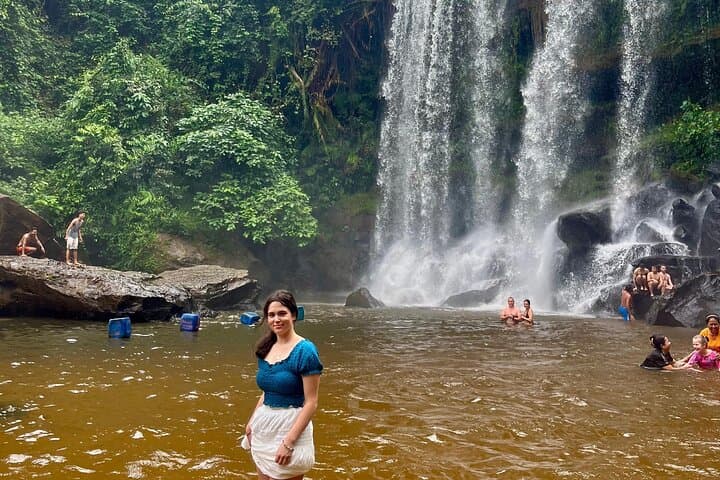
A humid breeze rolls down from the plateau as the first views of Phnom Kulen open: a stubbled ridge of sandstone, a river that seems to whisper centuries of history, and the sudden roar of a waterfall daring visitors closer. The day begins with a short drive from Siem Reap, then a walk through villages where children wave and monks pass in orange robes, until the path drops to the Kulen cascade — deep pools framed by hardwoods and the tree-silver of sun on water.
Verified experiences and guided adventures in the surrounding area.
Operated by Thanut Tours · Siem Reap, Siem Reap Province
A humid breeze rolls down from the plateau as the first views of Phnom Kulen open: a stubbled ridge of sandstone, a river that seems to whisper centuries of history, and the sudden roar of a waterfall daring visitors closer. The day begins with a short drive from Siem Reap, then a walk through villages where children wave and monks pass in orange robes, until the path drops to the Kulen cascade — deep pools framed by hardwoods and the tree-silver of sun on water.
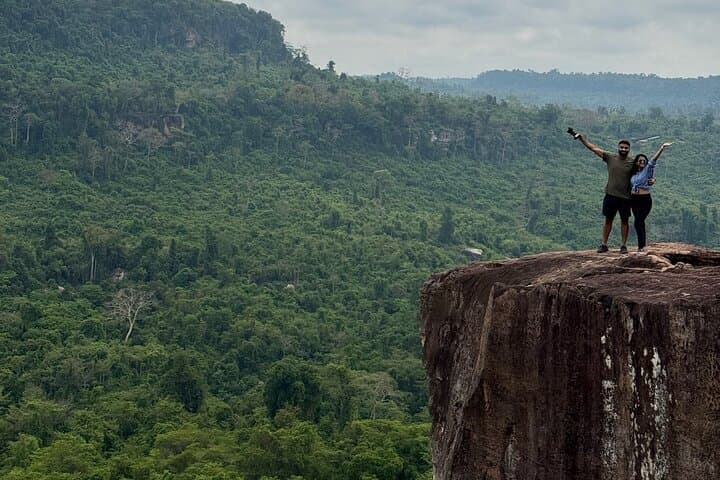
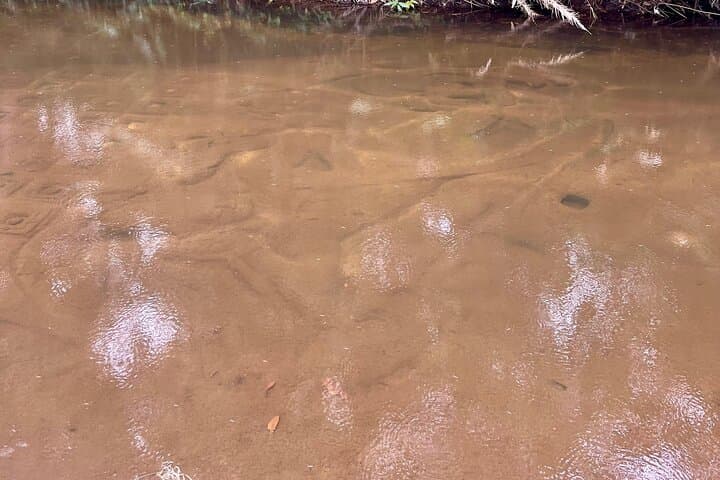
Phnom Kulen is both geological plateau and cultural founding place: 9th-century kings carved the riverbed with hundreds of lingas — small sandstone engravings intended to bless the land — and built temples that mark the birth of the Khmer Empire. The plateau’s sandstone layers and seasonal streams carved terraces and cliffs over millennia, producing the cliffs and vantage points such as Poeng Ta Khao that look out over the countryside.
On a guided private tour travelers will see the 1000 Lingas riverbed, the reclining Buddha at Wat Preah Ang Thom, and cool off at Kulen Waterfall. Expect modest trails, some uneven rock, and a mix of shaded forest and open viewpoints.
Practical notes: bring quick-dry swimwear and shoes with grip, carry sun protection and at least 1–2 liters of water, and keep respectful dress for temple visits (shoulders and knees covered). Entrance fees and transfers are generally included on private day tours, but cash for small concessions and donations is useful. Aim to arrive earlier in the day to avoid crowds and the hottest hours.
moderate.
6 hours.
Suitable for travelers in general good health; requires ability to walk short uneven trails and climb modest steps
Phnom Kulen is about a 45–60 minute drive from Siem Reap depending on traffic and road conditions; private transfers are typically included on day tours.
Yes — the carved lingas are in the riverbed and visible year-round, but water clarity and flow change with the season; higher water in the rainy months can obscure some carvings.
Yes, swimming is common where the pools are calm, but always check local safety advice at the site and avoid swimming under strong currents after heavy rain.
The park is family-friendly, but some areas require careful footing and there are steep steps to the reclining Buddha; assess mobility and take breaks as needed.
Phnom Kulen is celebrated as the birthplace of the Khmer Empire; 9th-century inscriptions and river-carved lingas mark the symbolic coronation landscape of early Angkor.
Visitor numbers and informal trails can stress sandstone features and forest; stick to marked paths, avoid removing artifacts, and support local guides who practice low-impact tourism.
Thanut Tours operates guided outdoor trips and adventures with an emphasis on safety, stewardship, and memorable experiences.
A humid breeze rolls down from the plateau as the first views of Phnom Kulen open: a stubbled ridge of sandstone, a river that seems to whisper centuries of history, and the sudden roar of a waterfall daring visitors closer. The day begins with a short drive from Siem Reap, then a walk through villages where children wave and monks pass in orange robes, until the path drops to the Kulen cascade — deep pools framed by hardwoods and the tree-silver of sun on water.
A humid breeze rolls down from the plateau as the first views of Phnom Kulen open: a stubbled ridge of sandstone, a river that seems to whisper centuries of history, and the sudden roar of a waterfall daring visitors closer. The day begins with a short drive from Siem Reap, then a walk through villages where children wave and monks pass in orange robes, until the path drops to the Kulen cascade — deep pools framed by hardwoods and the tree-silver of sun on water.
Phnom Kulen is both geological plateau and cultural founding place: 9th-century kings carved the riverbed with hundreds of lingas — small sandstone engravings intended to bless the land — and built temples that mark the birth of the Khmer Empire. The plateau’s sandstone layers and seasonal streams carved terraces and cliffs over millennia, producing the cliffs and vantage points such as Poeng Ta Khao that look out over the countryside.
On a guided private tour travelers will see the 1000 Lingas riverbed, the reclining Buddha at Wat Preah Ang Thom, and cool off at Kulen Waterfall. Expect modest trails, some uneven rock, and a mix of shaded forest and open viewpoints.
Practical notes: bring quick-dry swimwear and shoes with grip, carry sun protection and at least 1–2 liters of water, and keep respectful dress for temple visits (shoulders and knees covered). Entrance fees and transfers are generally included on private day tours, but cash for small concessions and donations is useful. Aim to arrive earlier in the day to avoid crowds and the hottest hours.