THE ADVENTURE COLLECTIVE® · Independent discovery and booking for outdoor travel

Follow a river that carries carved lingas and the steady roar of falls on a full-day hike from Siem Reap. Phnom Kulen mixes geology, Angkor-era carvings, and splash-ready pools—ideal for travelers wanting nature, history, and straightforward logistics.
Follow a river that carries carved lingas and the steady roar of falls on a full-day hike from Siem Reap. Phnom Kulen mixes geology, Angkor-era carvings, and splash-ready pools—ideal for travelers wanting nature, history, and straightforward logistics.
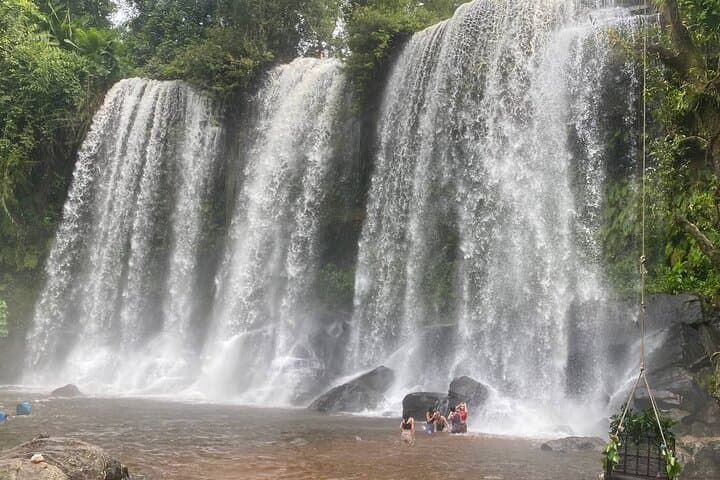
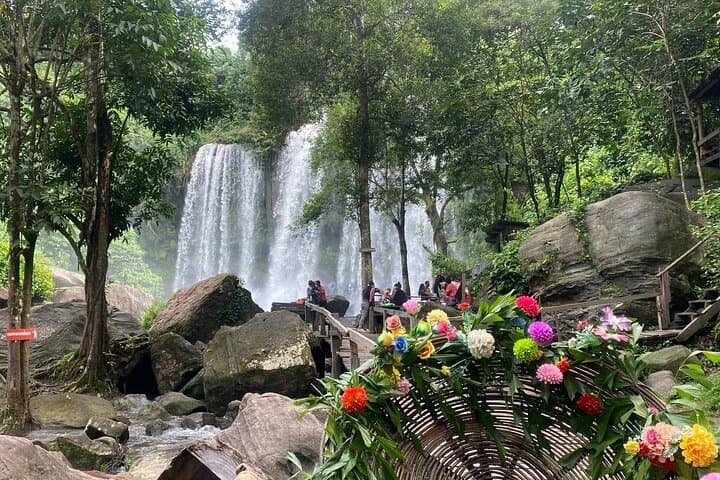
The first steps onto Phnom Kulen trail feel immediate: humid air, a ribbon of water ahead, and the low thunder of falls pushing over basalt ledges. Sunlight gaps through tangled dipterocarp and deciduous trees; the river ahead seems to dare you to follow it upstream where carved stones sit half-submerged, ancient shapes smoothed by centuries of flow.
Verified experiences and guided adventures in the surrounding area.
Operated by Angkor Daily Trip · Phnom Kulen, Siem Reap Province
The first steps onto Phnom Kulen trail feel immediate: humid air, a ribbon of water ahead, and the low thunder of falls pushing over basalt ledges. Sunlight gaps through tangled dipterocarp and deciduous trees; the river ahead seems to dare you to follow it upstream where carved stones sit half-submerged, ancient shapes smoothed by centuries of flow.
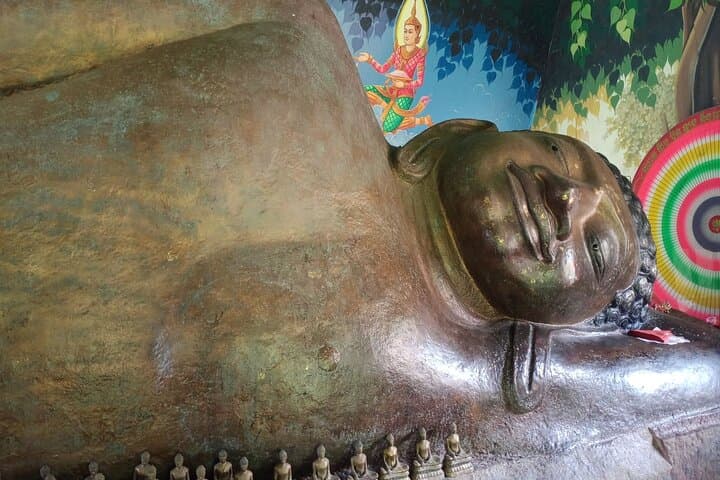
Phnom Kulen is both a geological shelf—basalt flows creating stepped cascades—and a cultural high point for Khmer history. The River of a Thousand Siva Lingas (Kbal Spean) is nearby: the riverbed bears hundreds of small lingas and Hindu reliefs cut into stone during the Angkor period to bless the plains below. Local villages and monastery ruins scatter the ridge, and the park was declared in 1993 to protect both its sacred sites and watersheds.
Expect a full-day outing (roughly 7–8 hours): a drive from Siem Reap, a guided walk to viewpoints and river carvings, then the main waterfall with plunge pools. Trails vary from packed dirt to slippery basalt; in the rainy season currents strengthen and paths get slick. Bring water, non-slip footwear, and modest clothing to honor sacred sites. Start early to avoid midday heat, and carry cash for small food stalls near the park entrance.
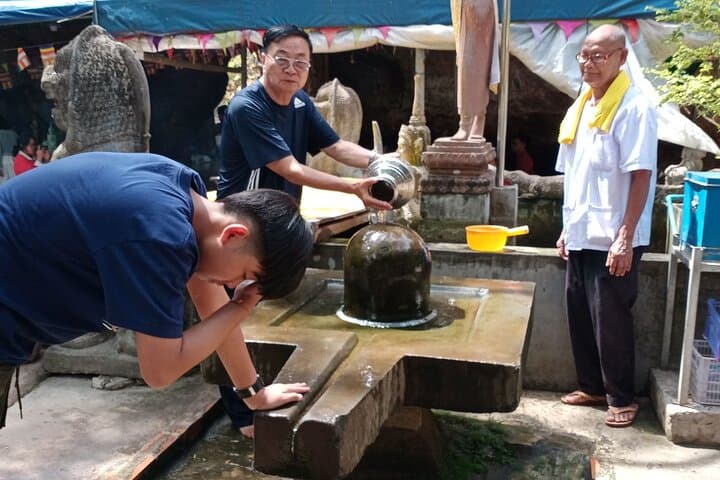
Practical logistics are straightforward for most fitness levels—this tour typically includes hotel pickup, entrance fees, and an English-speaking guide. Respect barrier ropes at archaeological sites, pack out trash, and leave space for worshippers who still use the river for ritual cleansing.
easy.
7–8 hours.
Suitable for travelers in general good health who can walk unpaved trails and negotiate uneven steps; minimal sustained climbing required.
Yes—this tour includes park entrance fees and taxes as part of the booking.
Typical transfer time is about 1–1.5 hours each way depending on traffic; the booking often includes hotel pickup and drop-off.
You can usually wade or swim in the designated pools, but currents and rock depth vary—follow your guide's instructions and avoid restricted areas near carvings.
Generally yes—trail sections are moderate and staff note the trip is suitable for all fitness levels, but infants must sit on laps and visitors with serious mobility or heart issues should consult their doctor.
Phnom Kulen served as a sacred mountain in Khmer history; riverbed lingas and Hindu reliefs were carved during the Angkor era to sanctify water flowing to Angkor's plains.
Phnom Kulen National Park protects watershed and archaeological sites; visitors should avoid stepping on carvings, pack out waste, and support local guides who promote low-impact access.
Angkor Daily Trip operates guided outdoor trips and adventures with an emphasis on safety, stewardship, and memorable experiences.
The first steps onto Phnom Kulen trail feel immediate: humid air, a ribbon of water ahead, and the low thunder of falls pushing over basalt ledges. Sunlight gaps through tangled dipterocarp and deciduous trees; the river ahead seems to dare you to follow it upstream where carved stones sit half-submerged, ancient shapes smoothed by centuries of flow.
The first steps onto Phnom Kulen trail feel immediate: humid air, a ribbon of water ahead, and the low thunder of falls pushing over basalt ledges. Sunlight gaps through tangled dipterocarp and deciduous trees; the river ahead seems to dare you to follow it upstream where carved stones sit half-submerged, ancient shapes smoothed by centuries of flow.
Phnom Kulen is both a geological shelf—basalt flows creating stepped cascades—and a cultural high point for Khmer history. The River of a Thousand Siva Lingas (Kbal Spean) is nearby: the riverbed bears hundreds of small lingas and Hindu reliefs cut into stone during the Angkor period to bless the plains below. Local villages and monastery ruins scatter the ridge, and the park was declared in 1993 to protect both its sacred sites and watersheds.
Expect a full-day outing (roughly 7–8 hours): a drive from Siem Reap, a guided walk to viewpoints and river carvings, then the main waterfall with plunge pools. Trails vary from packed dirt to slippery basalt; in the rainy season currents strengthen and paths get slick. Bring water, non-slip footwear, and modest clothing to honor sacred sites. Start early to avoid midday heat, and carry cash for small food stalls near the park entrance.
Practical logistics are straightforward for most fitness levels—this tour typically includes hotel pickup, entrance fees, and an English-speaking guide. Respect barrier ropes at archaeological sites, pack out trash, and leave space for worshippers who still use the river for ritual cleansing.