THE ADVENTURE COLLECTIVE® · Independent discovery and booking for outdoor travel

A half-day private excursion from Siem Reap that blends history, geology, and riverside adventure. Hike to Kulen’s summit, swim beneath a powerful waterfall, and see the River of a Thousand Linga with a local guide.
A half-day private excursion from Siem Reap that blends history, geology, and riverside adventure. Hike to Kulen’s summit, swim beneath a powerful waterfall, and see the River of a Thousand Linga with a local guide.
A private pickup from Siem Reap dissolves urban heat into rural roadways as you head north toward Phnom Kulen. Rice paddies slide by like pages; children wave from shaded huts. The climb to Kulen’s plateau opens into a different Cambodia — a broad, forested summit where the river carves polished sandstone and the main waterfall roars, daring you to step closer and feel the spray.
Verified experiences and guided adventures in the surrounding area.
Operated by Angkor Wat Travel Tour · Siem Reap, Siem Reap Province
A private pickup from Siem Reap dissolves urban heat into rural roadways as you head north toward Phnom Kulen. Rice paddies slide by like pages; children wave from shaded huts. The climb to Kulen’s plateau opens into a different Cambodia — a broad, forested summit where the river carves polished sandstone and the main waterfall roars, daring you to step closer and feel the spray.
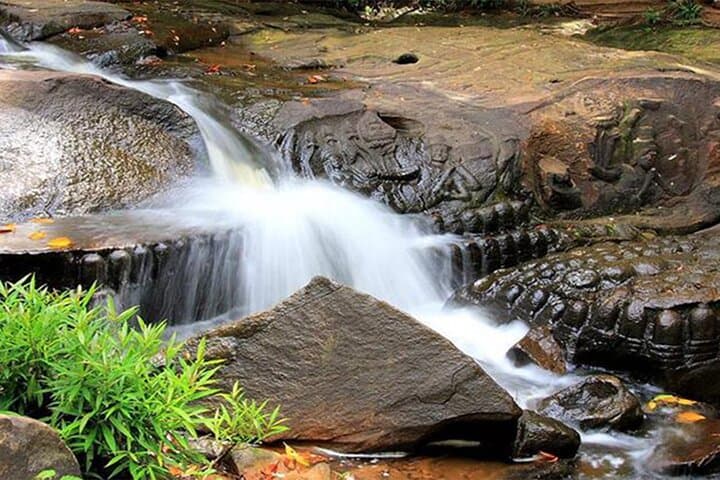
Phnom Kulen is more than scenery: it’s the cradle of the Angkor Empire. Archaeological features here date to the early 9th century, most famously the River of a Thousand Linga — hundreds of carved phalluses on the bedrock that mark consecration rituals from 802 AD. Geologically, the mountain is a sandstone plateau whose streams have sculpted pools and channels, producing wide, stepped falls and smooth bathing basins.
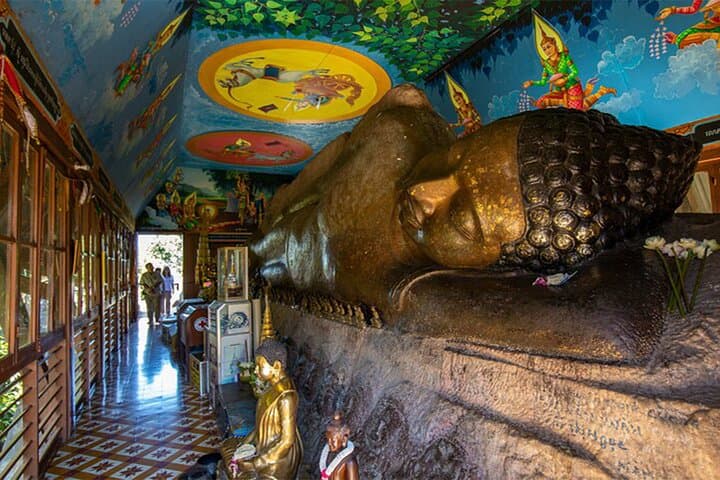
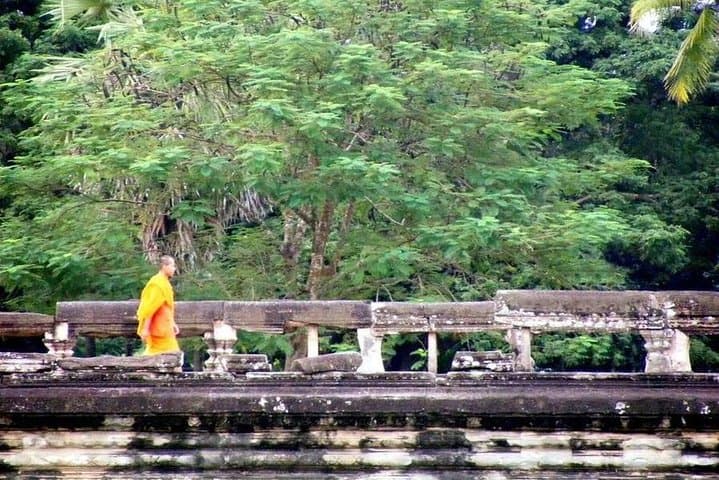
Culture threads through the route. Stop at a village to see palm-sugar production, meet artisans, and learn local rhythms. The reclining Buddha and scattered temple ruins offer quiet context to Angkor’s rise. Guides typically arrange a picnic by the falls so you can eat to the soundtrack of rushing water.
Practical guidance: expect a 6‑hour private tour with moderate walking on uneven stone and forest paths — bring sturdy shoes, insect protection, and a refillable bottle. The best window is the dry season (Nov–Apr) for clear tracks and safer swimming; the wet season swells the falls but makes access slick. Confirm exact pickup time with your provider in advance; many tours include a guide, cold towel, and water, but wear quick-dry clothing and keep electronics in a dry bag. Leave no trace on sacred sites and be prepared for sudden tropical weather.
moderate.
6 hours.
Moderate level of fitness required — able to walk uneven terrain, climb short rock steps, and handle humid heat.
The drive is roughly 45–75 minutes each way depending on traffic and your hotel location; private transfers are included on most tours.
Yes — swimming is common in designated pools, but avoid strong currents after heavy rain and follow your guide’s advice for safety.
Not always; confirm with the operator whether park or temple admission is included in your booking.
Children are welcome but must be supervised; infant seats and lap seating policies vary, so inform the provider when booking.
Phnom Kulen is considered the birthplace of the Angkor kingdom; royal consecration rituals and early 9th-century carvings, including many lingas, mark its historical importance.
The park is sensitive to erosion and visitor impact — stick to marked paths, avoid climbing on fragile carvings, and pack out all trash to protect the site.
Angkor Wat Travel Tour operates guided outdoor trips and adventures with an emphasis on safety, stewardship, and memorable experiences.
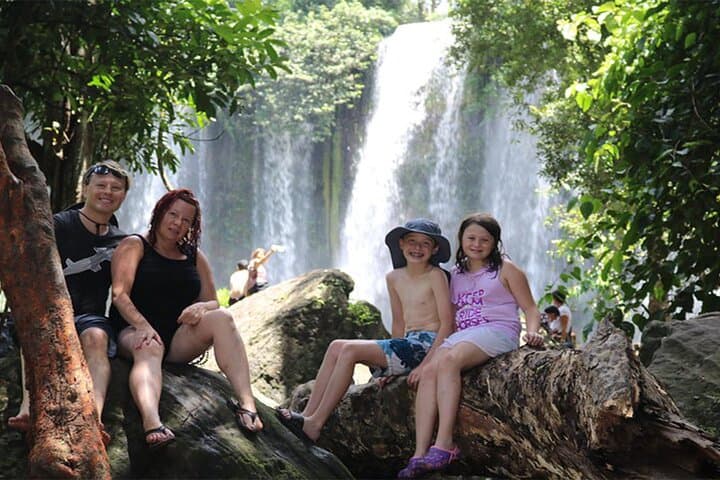
A private pickup from Siem Reap dissolves urban heat into rural roadways as you head north toward Phnom Kulen. Rice paddies slide by like pages; children wave from shaded huts. The climb to Kulen’s plateau opens into a different Cambodia — a broad, forested summit where the river carves polished sandstone and the main waterfall roars, daring you to step closer and feel the spray.
A private pickup from Siem Reap dissolves urban heat into rural roadways as you head north toward Phnom Kulen. Rice paddies slide by like pages; children wave from shaded huts. The climb to Kulen’s plateau opens into a different Cambodia — a broad, forested summit where the river carves polished sandstone and the main waterfall roars, daring you to step closer and feel the spray.
Phnom Kulen is more than scenery: it’s the cradle of the Angkor Empire. Archaeological features here date to the early 9th century, most famously the River of a Thousand Linga — hundreds of carved phalluses on the bedrock that mark consecration rituals from 802 AD. Geologically, the mountain is a sandstone plateau whose streams have sculpted pools and channels, producing wide, stepped falls and smooth bathing basins.
Culture threads through the route. Stop at a village to see palm-sugar production, meet artisans, and learn local rhythms. The reclining Buddha and scattered temple ruins offer quiet context to Angkor’s rise. Guides typically arrange a picnic by the falls so you can eat to the soundtrack of rushing water.
Practical guidance: expect a 6‑hour private tour with moderate walking on uneven stone and forest paths — bring sturdy shoes, insect protection, and a refillable bottle. The best window is the dry season (Nov–Apr) for clear tracks and safer swimming; the wet season swells the falls but makes access slick. Confirm exact pickup time with your provider in advance; many tours include a guide, cold towel, and water, but wear quick-dry clothing and keep electronics in a dry bag. Leave no trace on sacred sites and be prepared for sudden tropical weather.