THE ADVENTURE COLLECTIVE® · Independent discovery and booking for outdoor travel

An early-morning drive from Siem Reap leads to the spray of Phnom Kulen’s waterfall, the carved riverbed of the thousand lingas, and the pink sandstone carvings of Banteay Srei. This eight-hour private tour pairs jungle hikes with temple history and practical tips for a full-day adventure.
An early-morning drive from Siem Reap leads to the spray of Phnom Kulen’s waterfall, the carved riverbed of the thousand lingas, and the pink sandstone carvings of Banteay Srei. This eight-hour private tour pairs jungle hikes with temple history and practical tips for a full-day adventure.
Dawn on the road north of Siem Reap feels like a slow awakening: rice paddies slip past the window, village dogs claim the roadside, and the air thickens as the vehicle climbs toward Phnom Kulen. Within an hour and a half the trees close in and a plunge of water announces the waterfall—an abrupt, verdant break from flatlands—its spray daring you to step closer.
Verified experiences and guided adventures in the surrounding area.
Operated by ANGKOR CAB-OFF BEATEN TRUCK · Siem Reap, Siem Reap Province
Dawn on the road north of Siem Reap feels like a slow awakening: rice paddies slip past the window, village dogs claim the roadside, and the air thickens as the vehicle climbs toward Phnom Kulen. Within an hour and a half the trees close in and a plunge of water announces the waterfall—an abrupt, verdant break from flatlands—its spray daring you to step closer.
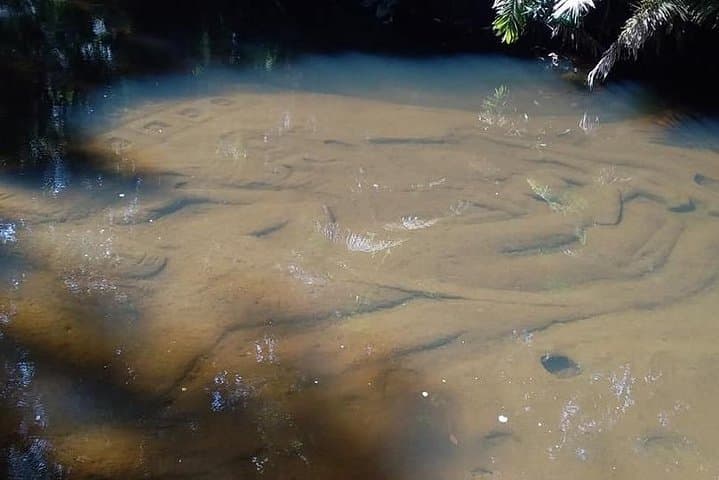
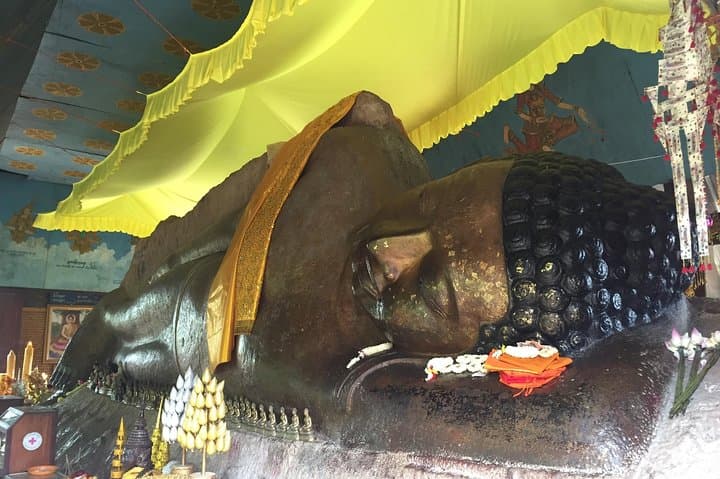
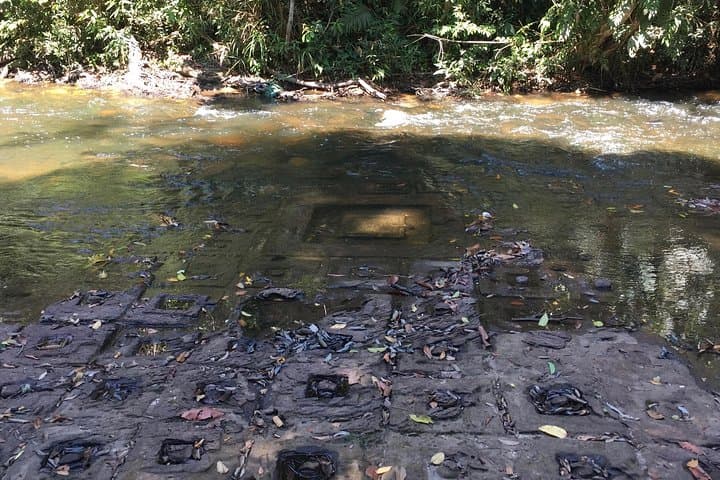
Phnom Kulen is sacred ground: scholars point to Jayavarman II’s declaration of independence here in 802 CE, an origin moment for the Angkorian polity. Under shallow currents nearby, the River of a Thousand Lingas bears carved Shiva lingas and cosmic symbols etched into bedrock, a deliberate marriage of religion and water engineering. Higher on the plateau a monumental reclining Buddha marks modern devotion against ancient stone.
Later the tour moves to Banteay Srei, the “citadel of women,” where pink sandstone holds some of the most intricate bas-relief in Khmer art. Unlike Angkor’s royal monuments, Banteay Srei was commissioned by court officials in 967 CE; its scale is small but the carving is famously refined because of the hard, fine-grained stone.
Expect short walks on uneven, sometimes slippery trails, and a mix of jungle shade and exposed temple courtyards. Practicalities: start early to avoid crowds and heat, wear closed-toe shoes with grip, carry at least 1.5–2L water, and bring sun protection and insect repellent. Entrance fees are typically separate from transport—confirm with your operator. Respect temple rules: cover shoulders and remove hats in shrines. The day is equal parts landscape, living culture and layered history—raw, tactile, and direct.
moderate.
8 hours.
Moderate fitness for short hikes on uneven, sometimes steep or slippery trails; comfortable walking for up to 2–3 miles total.
Most operators list entrance fees separately; confirm with your booking—this itinerary notes admissions are not included.
The tour can accommodate families but requires moderate mobility; uneven terrain and steps at sites may be difficult for those with back or mobility issues.
Expect about 1–1.5 hours each way depending on traffic and exact pickup location; total tour time is around eight hours.
Waterfalls are fuller and dramatic but trails can be slick and some dirt roads muddy; bring a rain jacket and allow extra travel time.
Phnom Kulen is tied to Jayavarman II’s 9th-century declaration of Khmer independence; Banteay Srei was consecrated in 967 CE and built by court officials rather than a monarch.
Sites are vulnerable to erosion and wear—stay on marked paths, don’t climb carved surfaces, and support local guides who help manage visitor impact.
ANGKOR CAB-OFF BEATEN TRUCK operates guided outdoor trips and adventures with an emphasis on safety, stewardship, and memorable experiences.
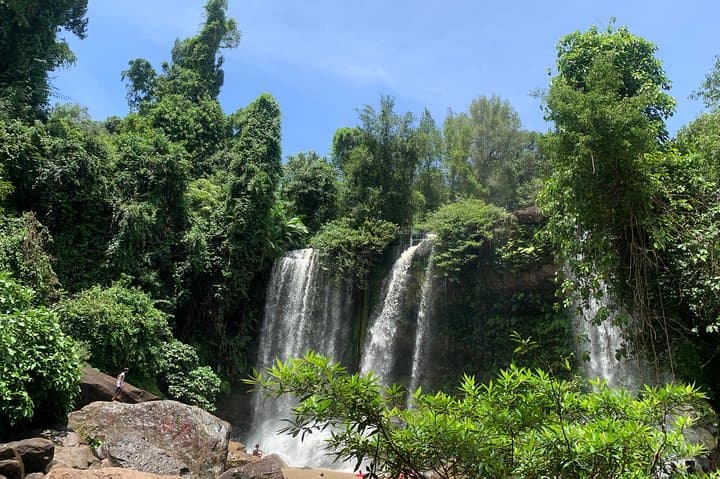
Dawn on the road north of Siem Reap feels like a slow awakening: rice paddies slip past the window, village dogs claim the roadside, and the air thickens as the vehicle climbs toward Phnom Kulen. Within an hour and a half the trees close in and a plunge of water announces the waterfall—an abrupt, verdant break from flatlands—its spray daring you to step closer.
Dawn on the road north of Siem Reap feels like a slow awakening: rice paddies slip past the window, village dogs claim the roadside, and the air thickens as the vehicle climbs toward Phnom Kulen. Within an hour and a half the trees close in and a plunge of water announces the waterfall—an abrupt, verdant break from flatlands—its spray daring you to step closer.
Phnom Kulen is sacred ground: scholars point to Jayavarman II’s declaration of independence here in 802 CE, an origin moment for the Angkorian polity. Under shallow currents nearby, the River of a Thousand Lingas bears carved Shiva lingas and cosmic symbols etched into bedrock, a deliberate marriage of religion and water engineering. Higher on the plateau a monumental reclining Buddha marks modern devotion against ancient stone.
Later the tour moves to Banteay Srei, the “citadel of women,” where pink sandstone holds some of the most intricate bas-relief in Khmer art. Unlike Angkor’s royal monuments, Banteay Srei was commissioned by court officials in 967 CE; its scale is small but the carving is famously refined because of the hard, fine-grained stone.
Expect short walks on uneven, sometimes slippery trails, and a mix of jungle shade and exposed temple courtyards. Practicalities: start early to avoid crowds and heat, wear closed-toe shoes with grip, carry at least 1.5–2L water, and bring sun protection and insect repellent. Entrance fees are typically separate from transport—confirm with your operator. Respect temple rules: cover shoulders and remove hats in shrines. The day is equal parts landscape, living culture and layered history—raw, tactile, and direct.