THE ADVENTURE COLLECTIVE® · Independent discovery and booking for outdoor travel

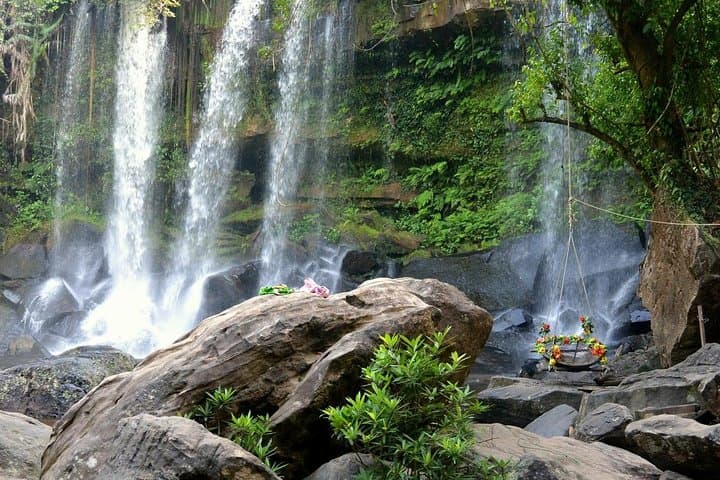
A full-day guided excursion from Siem Reap into Phnom Kulen National Park that combines a forest hike, the thousand carved lingas in a shallow riverbed, the dramatic Kulen waterfall and the reclining Buddha of Preah Ang Thom. Expect short river crossings, jungle trails, and cultural stops at palm-sugar workshops and local markets.
A full-day guided excursion from Siem Reap into Phnom Kulen National Park that combines a forest hike, the thousand carved lingas in a shallow riverbed, the dramatic Kulen waterfall and the reclining Buddha of Preah Ang Thom. Expect short river crossings, jungle trails, and cultural stops at palm-sugar workshops and local markets.
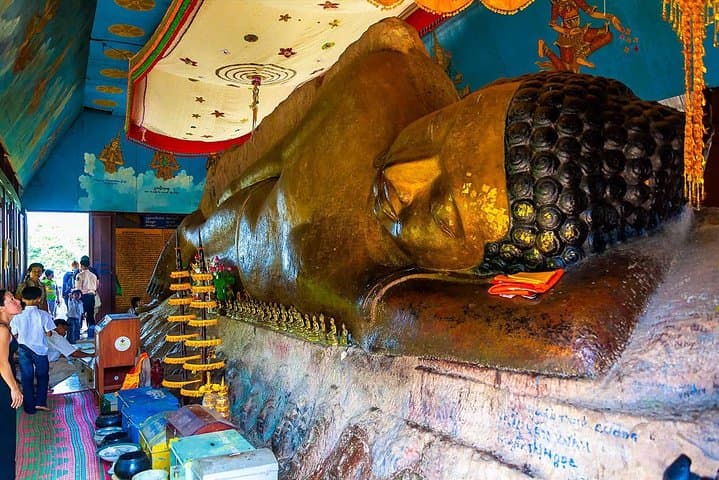
You step out of the air-conditioned van into humid mountain air and the forest seems to inhale around you — the river ahead insists, rocks singing under its flow. Phnom Kulen is both a natural high ground and a sacred plateau: pilgrims climb to Preah Ang Thom’s reclining Buddha while the riverbed downstream holds hundreds of shallow, carved lingas dedicated to Shiva.
Verified experiences and guided adventures in the surrounding area.
Operated by Bayon Tabi Tour · Siem Reap, Siem Reap Province
You step out of the air-conditioned van into humid mountain air and the forest seems to inhale around you — the river ahead insists, rocks singing under its flow. Phnom Kulen is both a natural high ground and a sacred plateau: pilgrims climb to Preah Ang Thom’s reclining Buddha while the riverbed downstream holds hundreds of shallow, carved lingas dedicated to Shiva.
Geologically the massif is an elevated sandstone plateau that channels clear streams into sudden drops; the main waterfall tumbles over weathered sandstone and forms shallow pools you can wade into. Historically Phnom Kulen marked the symbolic birthplace of the Angkor kingdom when King Jayavarman II proclaimed independence here; the carved lingas at Kbal Spean and the reclining Buddha are visible reminders of that layered past.
Culturally the mountain remains active — monks keep the pagoda, locals produce palm sugar in nearby workshops, and markets sell sticky rice and fresh fruit. Expect short forest trails, sections of rocky riverbed with low steps, and modest climbs: typical day hiking sections are 1–3 km each with cumulative elevation gain around 100–200 m.
Practical guidance: start early to avoid midday heat and crowds, bring sturdy shoes for slippery stone, and carry 1–2 liters of water. Respect sacred areas (no climbing on the reclining Buddha) and follow your licensed guide’s route to the carved lingas to avoid fragile sections. The full guided loop from Siem Reap takes about six hours, includes hotel pickup, bottled water and local stops (palm-sugar workshop, market), and is suitable for most fitness levels.
moderate.
6 hours.
Suitable for most people who can manage uneven trails, short steep sections and wading across shallow streams.
The guided excursion is about six hours total with short hikes at each site—most walking sections are 1–3 km with modest elevation changes.
No — the lingas are sacred and exposed sandstone is fragile; visitors should view them from the guided path and avoid stepping on carvings.
Wading and dipping in the shallow pools are common, but follow guide advice about current strength and avoid deeper sections after heavy rain.
A licensed guide is typical on day tours from Siem Reap and helps navigate sacred sites and local customs; entrance and park fees vary — check with your tour operator.
Phnom Kulen is celebrated as the founding site of the Khmer Empire under Jayavarman II; the thousand lingas and pedestals carved into the riverbed honor Hindu rituals to Shiva.
The park is protected but sensitive to erosion and visitor impact; stick to designated paths, avoid climbing on carvings, and minimize plastic waste.
Bayon Tabi Tour operates guided outdoor trips and adventures with an emphasis on safety, stewardship, and memorable experiences.

You step out of the air-conditioned van into humid mountain air and the forest seems to inhale around you — the river ahead insists, rocks singing under its flow. Phnom Kulen is both a natural high ground and a sacred plateau: pilgrims climb to Preah Ang Thom’s reclining Buddha while the riverbed downstream holds hundreds of shallow, carved lingas dedicated to Shiva.
You step out of the air-conditioned van into humid mountain air and the forest seems to inhale around you — the river ahead insists, rocks singing under its flow. Phnom Kulen is both a natural high ground and a sacred plateau: pilgrims climb to Preah Ang Thom’s reclining Buddha while the riverbed downstream holds hundreds of shallow, carved lingas dedicated to Shiva.
Geologically the massif is an elevated sandstone plateau that channels clear streams into sudden drops; the main waterfall tumbles over weathered sandstone and forms shallow pools you can wade into. Historically Phnom Kulen marked the symbolic birthplace of the Angkor kingdom when King Jayavarman II proclaimed independence here; the carved lingas at Kbal Spean and the reclining Buddha are visible reminders of that layered past.
Culturally the mountain remains active — monks keep the pagoda, locals produce palm sugar in nearby workshops, and markets sell sticky rice and fresh fruit. Expect short forest trails, sections of rocky riverbed with low steps, and modest climbs: typical day hiking sections are 1–3 km each with cumulative elevation gain around 100–200 m.
Practical guidance: start early to avoid midday heat and crowds, bring sturdy shoes for slippery stone, and carry 1–2 liters of water. Respect sacred areas (no climbing on the reclining Buddha) and follow your licensed guide’s route to the carved lingas to avoid fragile sections. The full guided loop from Siem Reap takes about six hours, includes hotel pickup, bottled water and local stops (palm-sugar workshop, market), and is suitable for most fitness levels.