THE ADVENTURE COLLECTIVE® · Independent discovery and booking for outdoor travel

Spend a day on Phnom Kulen’s upland trails visiting waterfalls, river carvings and Angkor’s first sacred city. This active day trek from Siem Reap blends geology, history and local culture with practical trail challenges.
Spend a day on Phnom Kulen’s upland trails visiting waterfalls, river carvings and Angkor’s first sacred city. This active day trek from Siem Reap blends geology, history and local culture with practical trail challenges.
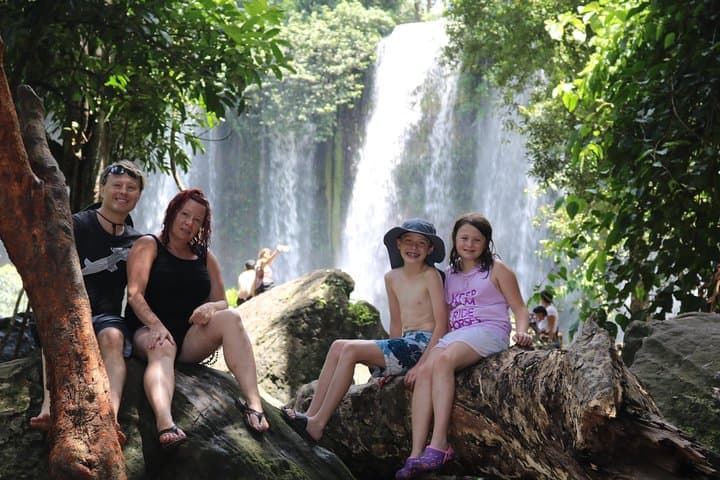
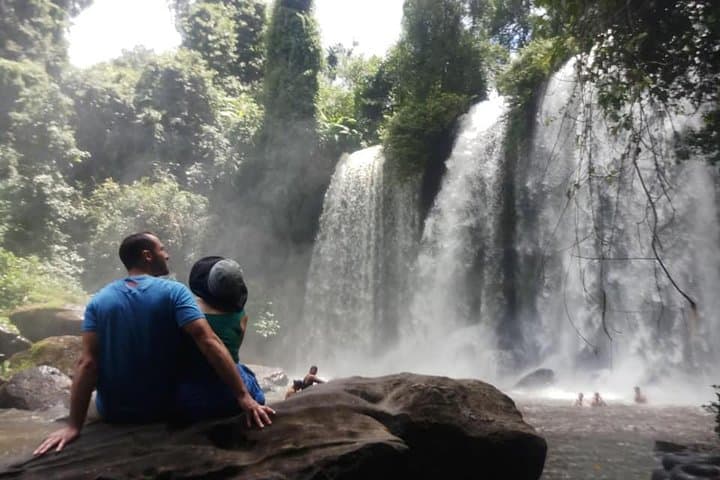
A humid morning light cuts through the dipterocarp and tamarind trees as you step off the road and onto Phnom Kulen’s upland trails. The path rises and falls across a low sandstone plateau; the air smells of wet earth and frangipani, while distant cascades call you toward carved basins and shallow pools.
Verified experiences and guided adventures in the surrounding area.
Operated by Siem Reap Angkor Travel and Tour · Phnom Kulen, Siem Reap Province
A humid morning light cuts through the dipterocarp and tamarind trees as you step off the road and onto Phnom Kulen’s upland trails. The path rises and falls across a low sandstone plateau; the air smells of wet earth and frangipani, while distant cascades call you toward carved basins and shallow pools.
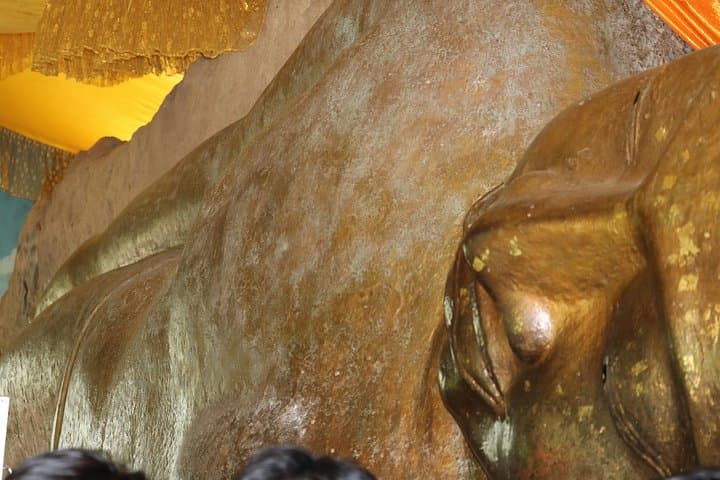
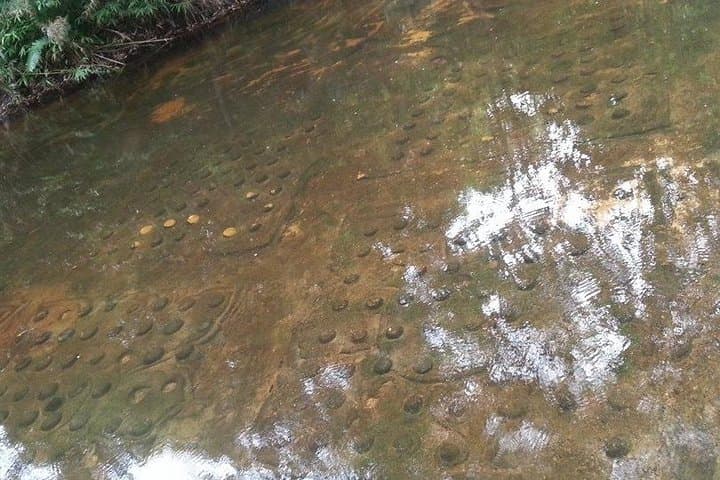
Phnom Kulen (Mahendrapura under Jayavarman II, 802 AD) is both cradle of the Angkorian state and an active sacred landscape. Geologically the massif is a weathered sandstone outcrop—channels and sculpted rock record centuries of water flow, and the River of a Thousand Lingas (the engraved riverbed) tells a story of devotion carved directly into stone. Local villages continue a mix of Buddhist and Hindu practices, and small shrines dot the route.
On this active, full-day trek you’ll move across dirt tracks, leaf-littered singletrack and intermittent slabs of slick rock, gaining a few hundred meters in elevation overall. Expect 6–9 hours of activity depending on stops; terrain can be steep in sections but not technical. The tour typically includes a car transfer, a local guide, the Kulen pass and lunch—useful when planning water and timing.
Practical tips: start early to avoid midday heat, wear grippy shoes for wet rock and bring insect repellent; pack out what you pack in around sacred sites; and be prepared for limited facilities. With a mix of forest, shrine complexes and waterfalls, the Kulen day trek delivers history, geology and a clear dose of rural Cambodian life.
moderate.
6–9 hours.
Moderate fitness—able to hike several hours over uneven ground and short steep sections.
Yes—this tour normally includes car transfer between Siem Reap and Phnom Kulen as part of the package.
The tour lists a Kulen pass included; confirm at booking whether any additional local fees apply.
It’s rated moderate: uneven ground, some short steep sections, and several hours on foot—suitable for those with reasonable fitness.
Some pools are popular for swimming but ceremonial areas and certain pools are off-limits—follow guide instructions and posted signs.
Phnom Kulen was named Mahendrapura by Jayavarman II in 802 AD and is considered the birthplace of the Angkorian polity, with riverbed carvings and temple ruins dating back to that era.
Visitor impact on trails and sacred pools is monitored locally—pack out trash, avoid touching delicate carvings, and support village vendors to keep tourism benefits local.
Siem Reap Angkor Travel and Tour operates guided outdoor trips and adventures with an emphasis on safety, stewardship, and memorable experiences.
A humid morning light cuts through the dipterocarp and tamarind trees as you step off the road and onto Phnom Kulen’s upland trails. The path rises and falls across a low sandstone plateau; the air smells of wet earth and frangipani, while distant cascades call you toward carved basins and shallow pools.
A humid morning light cuts through the dipterocarp and tamarind trees as you step off the road and onto Phnom Kulen’s upland trails. The path rises and falls across a low sandstone plateau; the air smells of wet earth and frangipani, while distant cascades call you toward carved basins and shallow pools.
Phnom Kulen (Mahendrapura under Jayavarman II, 802 AD) is both cradle of the Angkorian state and an active sacred landscape. Geologically the massif is a weathered sandstone outcrop—channels and sculpted rock record centuries of water flow, and the River of a Thousand Lingas (the engraved riverbed) tells a story of devotion carved directly into stone. Local villages continue a mix of Buddhist and Hindu practices, and small shrines dot the route.
On this active, full-day trek you’ll move across dirt tracks, leaf-littered singletrack and intermittent slabs of slick rock, gaining a few hundred meters in elevation overall. Expect 6–9 hours of activity depending on stops; terrain can be steep in sections but not technical. The tour typically includes a car transfer, a local guide, the Kulen pass and lunch—useful when planning water and timing.
Practical tips: start early to avoid midday heat, wear grippy shoes for wet rock and bring insect repellent; pack out what you pack in around sacred sites; and be prepared for limited facilities. With a mix of forest, shrine complexes and waterfalls, the Kulen day trek delivers history, geology and a clear dose of rural Cambodian life.