THE ADVENTURE COLLECTIVE® · Independent discovery and booking for outdoor travel

A full-day trip from Siem Reap that mixes sacred river carvings, a towering reclining Buddha, and swimming at Kulen Waterfall. Perfect for history-minded adventurers who want geology, culture, and a refreshing plunge.
A full-day trip from Siem Reap that mixes sacred river carvings, a towering reclining Buddha, and swimming at Kulen Waterfall. Perfect for history-minded adventurers who want geology, culture, and a refreshing plunge.
You arrive before the heat builds, the road rising out of rice plains toward a green ridge where the air smells of damp earth and flowering trees. The drive from Siem Reap is part of the scene—villages slide by, and then the road climbs into a cooler canopy. At the river, centuries-old carvings lie under shallow water; downstream, a curtain of spray announces Kulen Waterfall.
Verified experiences and guided adventures in the surrounding area.
Operated by Peacock Asia Tours · Siem Reap, Siem Reap Province
You arrive before the heat builds, the road rising out of rice plains toward a green ridge where the air smells of damp earth and flowering trees. The drive from Siem Reap is part of the scene—villages slide by, and then the road climbs into a cooler canopy. At the river, centuries-old carvings lie under shallow water; downstream, a curtain of spray announces Kulen Waterfall.
Phnom Kulen is the cradle of the Khmer kingdom. King Jayavarman II declared independence here in 802 CE, and the river’s 1,000 lingas—small Shiva phalluses chiseled into sandstone—mark a sacred hydraulic landscape. The reclining Buddha at Preah Ang Thom is a later Buddhist monument, an 8-meter figure carved into the hill that draws pilgrims and photographers alike.
Geology is plain and accessible: a sandstone plateau cut by seasonal streams that form pools and drop into falls. Culture and religion are woven into the landscape—respectful dress and quiet behavior at temple sites are expected. Local vendors and small restaurants by picnic spots serve Khmer dishes; guide commentary often includes village life and farming notes.
Practicalities: tours typically start early and return the same day; a $20 mountain pass fee applies per person. Bring swimwear and a towel for the waterfall, modest clothing for temples, cash for the fee and vendors, and shoes with grip for slippery rocks. Expect uneven, wet surfaces at the lingas and falls; shallow swimming is common but avoid sensitive carved areas. Aim for morning or late afternoon visits to avoid midday heat and crowds. With a basic level of fitness and respect for local customs, this day trip blends history, geology, and a sharp splash of jungle river adventure.
easy.
8–10 hours.
Suitable for most fitness levels; requires short walks on uneven, sometimes wet ground.
Yes—many visitors swim at designated spots above and below the main drop; avoid areas with delicate carvings and follow your guide’s instructions.
There is a mountain pass ticket (approximately $20 USD per person for a single day) that’s usually paid in cash at the park entrance or arranged by your tour operator.
Generally yes, but hours can vary and some areas may be restricted during religious events—follow local signage and guide directions.
Most day tours include hotel pick-up and drop-off in Siem Reap by air-conditioned vehicle; confirm pickup point when booking.
Phnom Kulen is considered the birthplace of the Khmer Empire—King Jayavarman II declared sovereignty here in 802 CE, and the river’s lingas mark ritual hydraulic control tied to royal power.
The park’s access fees support basic conservation and site management; visitors should avoid touching carvings, pack out trash, and stick to marked paths to reduce impact.
Peacock Asia Tours operates guided outdoor trips and adventures with an emphasis on safety, stewardship, and memorable experiences.
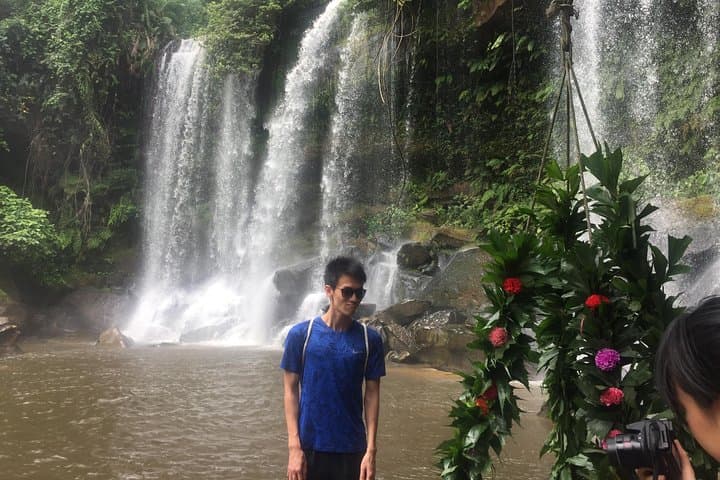
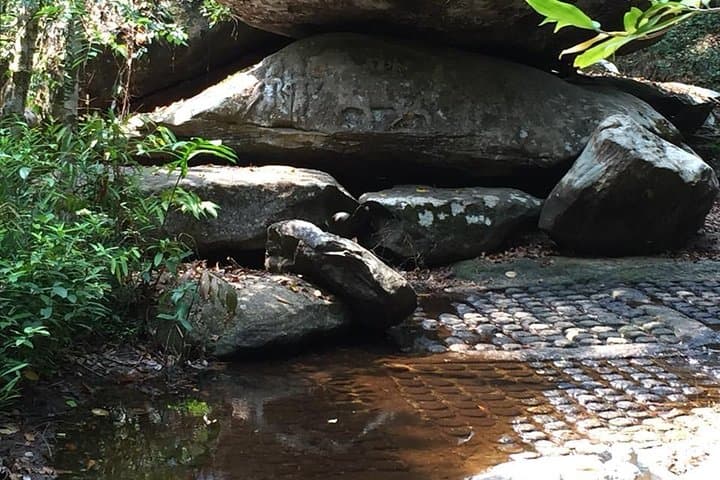
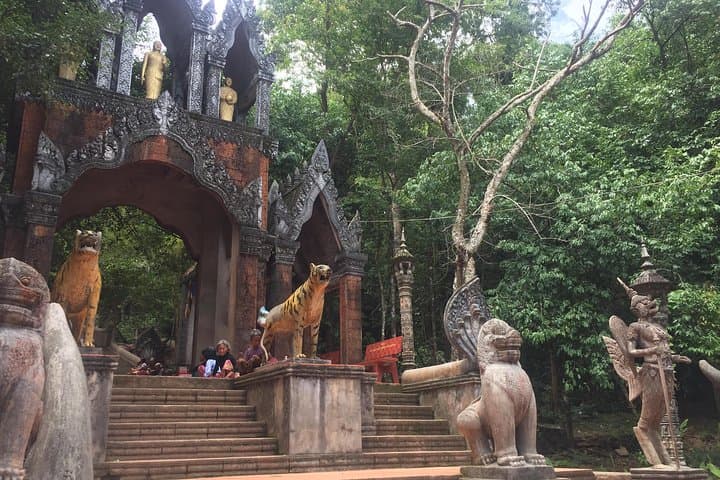
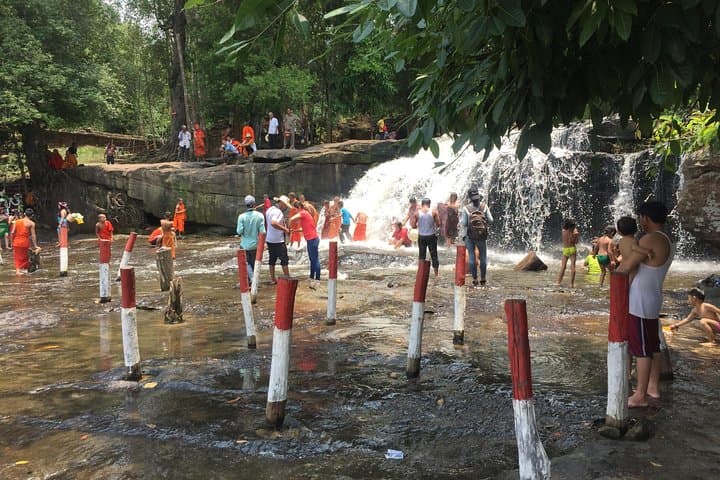
You arrive before the heat builds, the road rising out of rice plains toward a green ridge where the air smells of damp earth and flowering trees. The drive from Siem Reap is part of the scene—villages slide by, and then the road climbs into a cooler canopy. At the river, centuries-old carvings lie under shallow water; downstream, a curtain of spray announces Kulen Waterfall.
You arrive before the heat builds, the road rising out of rice plains toward a green ridge where the air smells of damp earth and flowering trees. The drive from Siem Reap is part of the scene—villages slide by, and then the road climbs into a cooler canopy. At the river, centuries-old carvings lie under shallow water; downstream, a curtain of spray announces Kulen Waterfall.
Phnom Kulen is the cradle of the Khmer kingdom. King Jayavarman II declared independence here in 802 CE, and the river’s 1,000 lingas—small Shiva phalluses chiseled into sandstone—mark a sacred hydraulic landscape. The reclining Buddha at Preah Ang Thom is a later Buddhist monument, an 8-meter figure carved into the hill that draws pilgrims and photographers alike.
Geology is plain and accessible: a sandstone plateau cut by seasonal streams that form pools and drop into falls. Culture and religion are woven into the landscape—respectful dress and quiet behavior at temple sites are expected. Local vendors and small restaurants by picnic spots serve Khmer dishes; guide commentary often includes village life and farming notes.
Practicalities: tours typically start early and return the same day; a $20 mountain pass fee applies per person. Bring swimwear and a towel for the waterfall, modest clothing for temples, cash for the fee and vendors, and shoes with grip for slippery rocks. Expect uneven, wet surfaces at the lingas and falls; shallow swimming is common but avoid sensitive carved areas. Aim for morning or late afternoon visits to avoid midday heat and crowds. With a basic level of fitness and respect for local customs, this day trip blends history, geology, and a sharp splash of jungle river adventure.