THE ADVENTURE COLLECTIVE® · Independent discovery and booking for outdoor travel

Early mornings, a cool waterfall plunge, centuries-old river carvings and a stilted lakeside community — this private day trip from Siem Reap mixes light hiking, cultural sites and a window into Tonle Sap life. Read on for what to expect and how to prepare.
Early mornings, a cool waterfall plunge, centuries-old river carvings and a stilted lakeside community — this private day trip from Siem Reap mixes light hiking, cultural sites and a window into Tonle Sap life. Read on for what to expect and how to prepare.
You set out before dawn from Siem Reap, the road unfurling through rice paddies and low hills until the air cools and the highway gives way to a forested approach. By mid-morning Phnom Kulen rises ahead — a broad sandstone plateau crowned by a weathered pagoda and the long form of a reclining Buddha carved into the temple courtyard.
Verified experiences and guided adventures in the surrounding area.
Operated by Private Tour Guide-Cambodia · Siem Reap, Siem Reap Province
You set out before dawn from Siem Reap, the road unfurling through rice paddies and low hills until the air cools and the highway gives way to a forested approach. By mid-morning Phnom Kulen rises ahead — a broad sandstone plateau crowned by a weathered pagoda and the long form of a reclining Buddha carved into the temple courtyard.
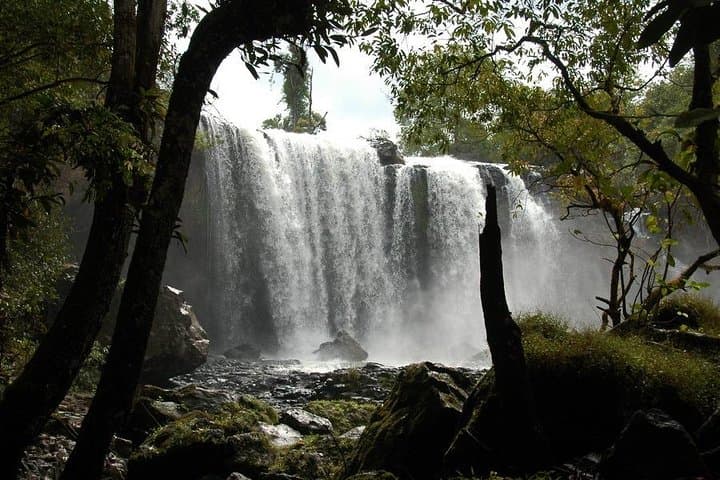
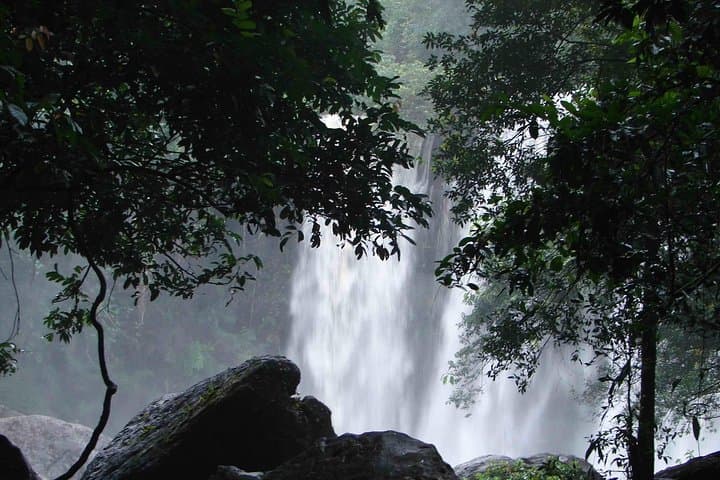
Phnom Kulen is geologically a sandstone massif uplifted above the plains; its shallow stone rivers hold centuries-old Hindu bas-reliefs and small shrine sites that predate Angkor’s temples. The hill’s waterfall is a sudden drop into a shaded plunge pool where locals and travelers bathe beneath the cascade. In the afternoon you cross to Kompong Khleang on the Tonle Sap’s northern edge, where houses on stilts push up like a vertical forest and fishing frames fan the flooded horizon.
Expect a day of short hikes on rocky trails, easy cultural stops, and time to cool off at the falls. Guides often point out carved lingas in the streambed and explain how seasonal floods alter life on the lake — a culture shaped by rising water and fish catches rather than terra firma.
Practical notes: leave early to avoid heat and crowds, bring swimwear and quick-dry layers, and carry cash for small entrance or community fees. Respect temple dress codes, remove shoes where requested, and keep plastics out of waterways. The route suits travelers with basic mobility; paths can be uneven and slippery after rain, so steady footwear and sun protection are worthwhile.
moderate.
5–7 hours.
Suitable for travelers in light to moderate shape; involves short uneven trails and some stairs but no technical climbing
Yes—many visitors swim in the plunge pool beneath the falls, but check with your guide for safe spots and avoid strong currents after heavy rain.
Fees vary by site and operator; confirm with your provider—local community or temple donations are commonly paid on arrival and not always included in tour rates.
The tour is described as physically easy to moderate; it’s suitable for children and older travelers with basic mobility, though some uneven paths and stairs are involved.
Dry season (November–April) offers easier access and lower water levels at Kompong Khleang for viewing high stilts; the wet season transforms the lake but can raise water and make some paths slippery.
Phnom Kulen is considered a sacred site in Khmer history and contains early Angkor-period carvings and the riverbed lingas that reflect pre-Angkor Hindu ritual practice.
Tonle Sap’s fishing-dependent communities are sensitive to overfishing and pollution; visitors should avoid plastic waste and support local vendors to benefit the village economy.
Private Tour Guide-Cambodia operates guided outdoor trips and adventures with an emphasis on safety, stewardship, and memorable experiences.


You set out before dawn from Siem Reap, the road unfurling through rice paddies and low hills until the air cools and the highway gives way to a forested approach. By mid-morning Phnom Kulen rises ahead — a broad sandstone plateau crowned by a weathered pagoda and the long form of a reclining Buddha carved into the temple courtyard.
You set out before dawn from Siem Reap, the road unfurling through rice paddies and low hills until the air cools and the highway gives way to a forested approach. By mid-morning Phnom Kulen rises ahead — a broad sandstone plateau crowned by a weathered pagoda and the long form of a reclining Buddha carved into the temple courtyard.
Phnom Kulen is geologically a sandstone massif uplifted above the plains; its shallow stone rivers hold centuries-old Hindu bas-reliefs and small shrine sites that predate Angkor’s temples. The hill’s waterfall is a sudden drop into a shaded plunge pool where locals and travelers bathe beneath the cascade. In the afternoon you cross to Kompong Khleang on the Tonle Sap’s northern edge, where houses on stilts push up like a vertical forest and fishing frames fan the flooded horizon.
Expect a day of short hikes on rocky trails, easy cultural stops, and time to cool off at the falls. Guides often point out carved lingas in the streambed and explain how seasonal floods alter life on the lake — a culture shaped by rising water and fish catches rather than terra firma.
Practical notes: leave early to avoid heat and crowds, bring swimwear and quick-dry layers, and carry cash for small entrance or community fees. Respect temple dress codes, remove shoes where requested, and keep plastics out of waterways. The route suits travelers with basic mobility; paths can be uneven and slippery after rain, so steady footwear and sun protection are worthwhile.