THE ADVENTURE COLLECTIVE® · Independent discovery and booking for outdoor travel

Escape Siem Reap for a full‑day adventure to Phnom Kulen: plunge beneath a mountain waterfall, walk over the River of a Thousand Lingas, and visit the reclining Buddha at Preah Ang Thom. This day trip pairs nature, history, and local ritual in one accessible outing.
Escape Siem Reap for a full‑day adventure to Phnom Kulen: plunge beneath a mountain waterfall, walk over the River of a Thousand Lingas, and visit the reclining Buddha at Preah Ang Thom. This day trip pairs nature, history, and local ritual in one accessible outing.
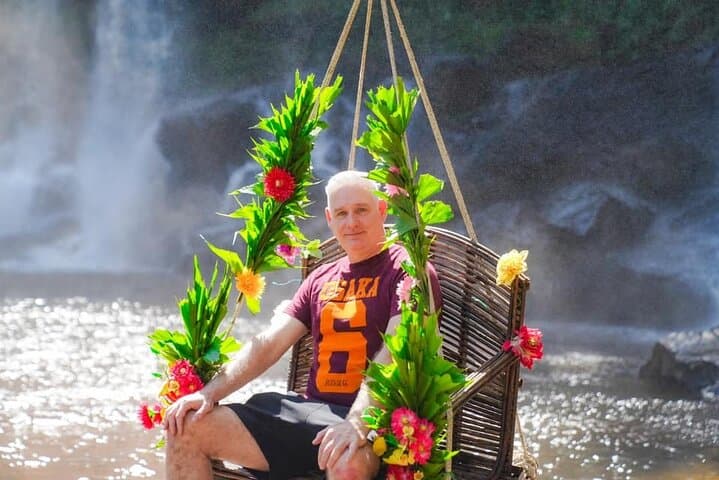
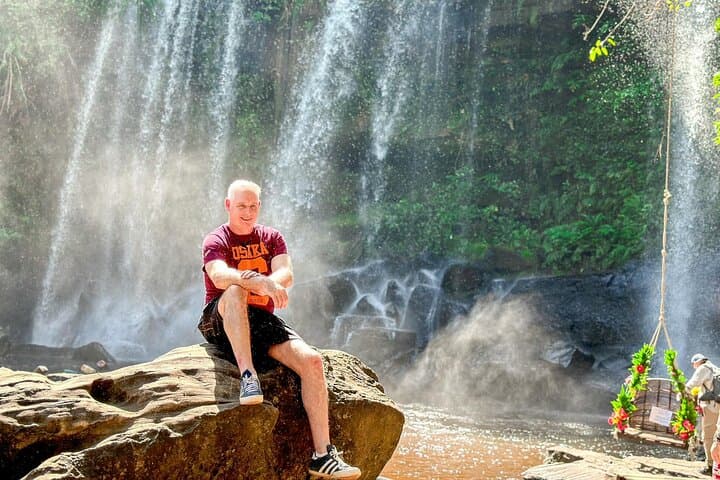
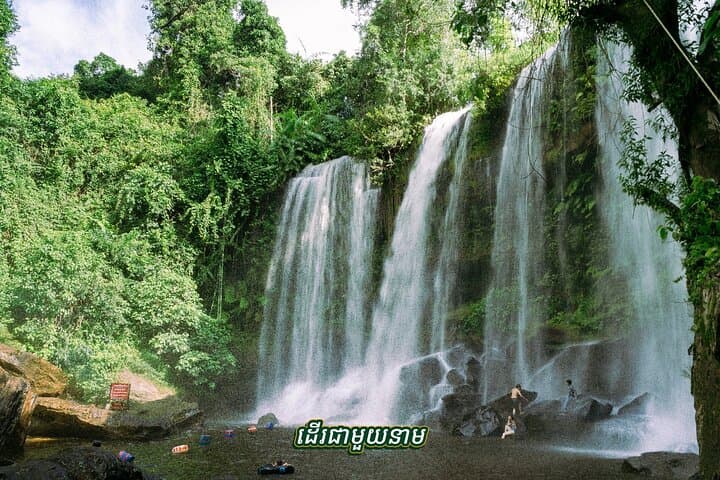
A narrow highway peels away from Siem Reap and the countryside tightens into a green corridor. After the climb, the air cools and the mountain breathes moss and limestone; the waterfall ahead announces itself before you see it — a curtain of water throwing mist like confetti into the pool below.
Verified experiences and guided adventures in the surrounding area.
Operated by Angkor Wat Cambodia Tour · Siem Reap, Siem Reap Province
A narrow highway peels away from Siem Reap and the countryside tightens into a green corridor. After the climb, the air cools and the mountain breathes moss and limestone; the waterfall ahead announces itself before you see it — a curtain of water throwing mist like confetti into the pool below.
Phnom Kulen is where the Khmer Empire declared its spiritual birthplace. The River of a Thousand Lingas carries carved Hindu symbols cut into sandstone, once intended to sanctify water flowing to Angkor. Higher still sits Preah Ang Thom, its 16‑meter reclining Buddha carved from bedrock and visited by local pilgrims whose incense and prayers give the place a living rhythm.
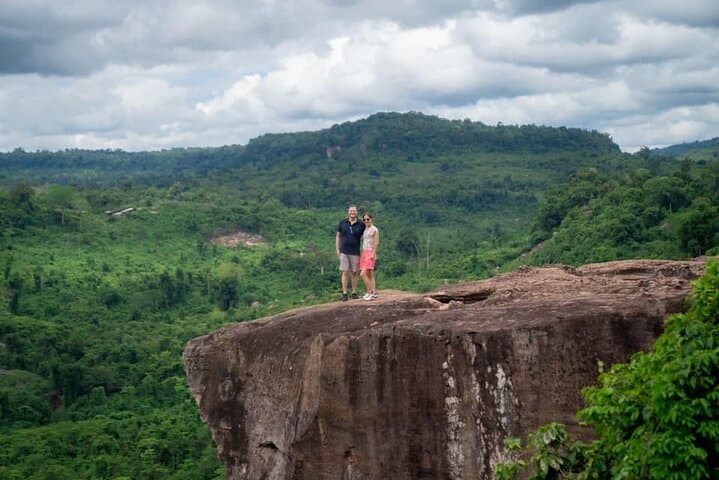
Geologically, the plateau is sandstone and laterite; seasonal flows reveal the shallow carvings best in the dry months. Culturally, the sites blend sacred rites and rural life — families picnic by the falls while monks tend the pagoda. If you hike further you may find quieter shrines and lone stone elephants peering from the jungle.
Practical guide: plan a full day (7–8 hours). Go early to avoid heat and crowds; the drive is rough in places so an air‑conditioned 4x4 helps. Bring sturdy shoes for slick rocks, swimwear for a cold dip, sun protection, and respect the pagoda — cover shoulders and remove hats. Water levels vary by season: the lingas are visible in dry months, roaring and picturesque in monsoon.
Expect easy walking interspersed with short climbs, plenty of photo ops, and a mix of nature and living heritage. Stay mindful of fragile carvings and pack out what you bring in to help preserve this sacred landscape.
easy.
7–8 hours.
Suitable for most fitness levels: light walking, short climbs, and optional swimming; able to handle uneven terrain.
The tour lasts about 7–8 hours (approximately 420–480 minutes) including transfers from Siem Reap and time at each site.
They’re most visible in the dry season when water levels are low; during the wet season water can obscure parts of the carvings but makes the falls more dramatic.
Yes — many visitors swim in the pool beneath the falls, but exercise caution on slippery rocks and follow local guide instructions.
Yes — the tour is described as suitable for all fitness levels, but some uneven terrain and steps mean mobility considerations should be taken into account.
Phnom Kulen is considered the cradle of the Khmer Empire; King Jayavarman II proclaimed independence here in the 9th century and the river carvings were intended to sanctify Angkor’s water supply.
Visitor pressure and erosion threaten shallow river carvings and temple masonry; stick to marked paths, avoid climbing on carvings, and pack out trash to reduce impact.
Angkor Wat Cambodia Tour operates guided outdoor trips and adventures with an emphasis on safety, stewardship, and memorable experiences.
A narrow highway peels away from Siem Reap and the countryside tightens into a green corridor. After the climb, the air cools and the mountain breathes moss and limestone; the waterfall ahead announces itself before you see it — a curtain of water throwing mist like confetti into the pool below.
A narrow highway peels away from Siem Reap and the countryside tightens into a green corridor. After the climb, the air cools and the mountain breathes moss and limestone; the waterfall ahead announces itself before you see it — a curtain of water throwing mist like confetti into the pool below.
Phnom Kulen is where the Khmer Empire declared its spiritual birthplace. The River of a Thousand Lingas carries carved Hindu symbols cut into sandstone, once intended to sanctify water flowing to Angkor. Higher still sits Preah Ang Thom, its 16‑meter reclining Buddha carved from bedrock and visited by local pilgrims whose incense and prayers give the place a living rhythm.
Geologically, the plateau is sandstone and laterite; seasonal flows reveal the shallow carvings best in the dry months. Culturally, the sites blend sacred rites and rural life — families picnic by the falls while monks tend the pagoda. If you hike further you may find quieter shrines and lone stone elephants peering from the jungle.
Practical guide: plan a full day (7–8 hours). Go early to avoid heat and crowds; the drive is rough in places so an air‑conditioned 4x4 helps. Bring sturdy shoes for slick rocks, swimwear for a cold dip, sun protection, and respect the pagoda — cover shoulders and remove hats. Water levels vary by season: the lingas are visible in dry months, roaring and picturesque in monsoon.
Expect easy walking interspersed with short climbs, plenty of photo ops, and a mix of nature and living heritage. Stay mindful of fragile carvings and pack out what you bring in to help preserve this sacred landscape.