THE ADVENTURE COLLECTIVE® · Independent discovery and booking for outdoor travel

Escape Angkor’s crowds for a day on Phnom Kulen: forested trails, cascade pools, and ancient Linga-carved riverbeds where the Khmer kingdom was proclaimed. This full-day tour combines gentle hiking with cultural sites and a chance to swim beneath jungle waterfalls.
Escape Angkor’s crowds for a day on Phnom Kulen: forested trails, cascade pools, and ancient Linga-carved riverbeds where the Khmer kingdom was proclaimed. This full-day tour combines gentle hiking with cultural sites and a chance to swim beneath jungle waterfalls.
You leave Siem Reap before the heat builds, the van cutting across flat rice plains until the road rises into cool forest. Trees close in, birds call from the canopy, and the sound of water grows until the trail opens on a broad river strewn with carved lingas and small cascades daring you to step closer.
Verified experiences and guided adventures in the surrounding area.
Operated by Khmer Detours · Phnom Kulen, Siem Reap Province
You leave Siem Reap before the heat builds, the van cutting across flat rice plains until the road rises into cool forest. Trees close in, birds call from the canopy, and the sound of water grows until the trail opens on a broad river strewn with carved lingas and small cascades daring you to step closer.
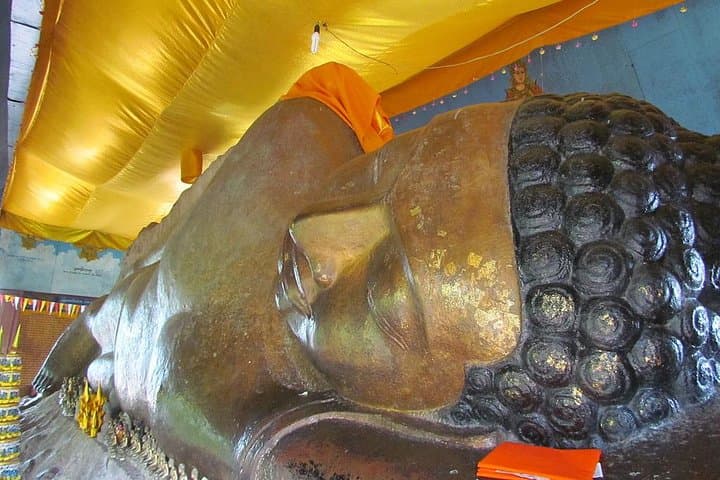
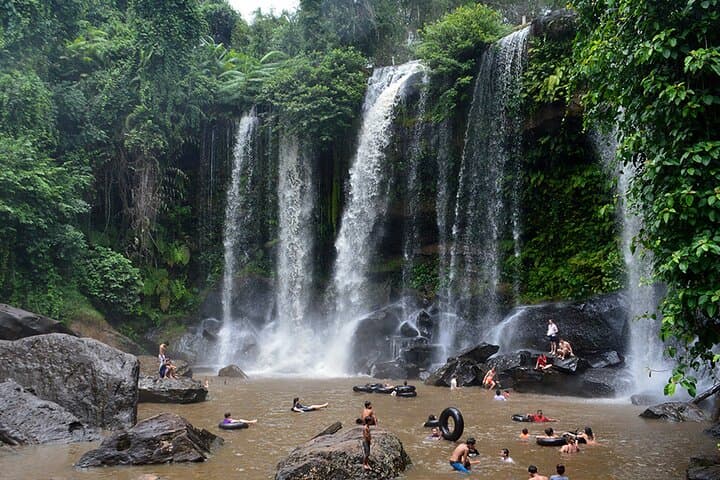
Phnom Kulen (the Kulen Plateau) is where the Khmer king Jayavarman II declared independence in 802 AD; the mountain became a ritual heartland and a place of carved sandstone rituals. Geologically it’s a sandstone plateau—streams have carved shallow channels and sculpted boulders into a sequence of small falls and plunge pools. Scattered temple ruins and Linga stands sit within the jungle, half-revealed and weathered by centuries of monsoon and sun.
Local guides—many raised in nearby villages—point out hidden carvings, explain the ritual significance of the river lingas, and steer visitors away from fragile ledges. Expect mixed terrain: short paved stretches, uneven rock steps, muddy paths in wet weather, and low stone temple platforms that require careful stepping.
Practical guidance: wear grippy shoes for wet rock, bring swimwear and a quick-dry towel if you plan to enter pools, and carry sun protection and insect repellent. Temple areas require covering shoulders and knees; pack a light sarong. The full excursion is a long day (roughly seven hours round-trip with stops) so hydrate and keep small local currency for snacks or donations. The dry months (November–February) offer the most comfortable hiking and clearer views.
moderate.
6–7 hours.
Suitable for travelers in light to moderate fitness; some uneven steps and short climbs are expected.
Most organized day trips include all park and checkpoint fees; confirm with your operator before booking.
Yes—many stops include shallow pools suitable for swimming; bring swimwear and be cautious on slippery rock.
Parts are stroller-accessible and the operator notes infants can be in prams, but expect uneven terrain at temple areas and near falls.
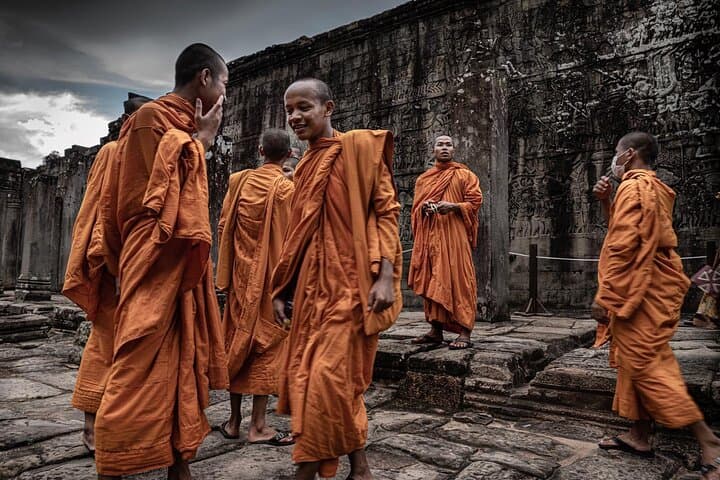
Dress modestly: cover shoulders and knees. A sarong or light shirt is usually sufficient to meet religious site rules.
Phnom Kulen is recognized as the birthplace of the Angkor-period kingdom after Jayavarman II’s 802 AD declaration; many riverbed lingas mark ritual irrigation and sovereignty.
Phnom Kulen is a protected area with fragile sandstone and archaeological features—avoid climbing on carvings, pack out trash, and follow local guide instructions to minimize impact.
Khmer Detours operates guided outdoor trips and adventures with an emphasis on safety, stewardship, and memorable experiences.

You leave Siem Reap before the heat builds, the van cutting across flat rice plains until the road rises into cool forest. Trees close in, birds call from the canopy, and the sound of water grows until the trail opens on a broad river strewn with carved lingas and small cascades daring you to step closer.
You leave Siem Reap before the heat builds, the van cutting across flat rice plains until the road rises into cool forest. Trees close in, birds call from the canopy, and the sound of water grows until the trail opens on a broad river strewn with carved lingas and small cascades daring you to step closer.
Phnom Kulen (the Kulen Plateau) is where the Khmer king Jayavarman II declared independence in 802 AD; the mountain became a ritual heartland and a place of carved sandstone rituals. Geologically it’s a sandstone plateau—streams have carved shallow channels and sculpted boulders into a sequence of small falls and plunge pools. Scattered temple ruins and Linga stands sit within the jungle, half-revealed and weathered by centuries of monsoon and sun.
Local guides—many raised in nearby villages—point out hidden carvings, explain the ritual significance of the river lingas, and steer visitors away from fragile ledges. Expect mixed terrain: short paved stretches, uneven rock steps, muddy paths in wet weather, and low stone temple platforms that require careful stepping.
Practical guidance: wear grippy shoes for wet rock, bring swimwear and a quick-dry towel if you plan to enter pools, and carry sun protection and insect repellent. Temple areas require covering shoulders and knees; pack a light sarong. The full excursion is a long day (roughly seven hours round-trip with stops) so hydrate and keep small local currency for snacks or donations. The dry months (November–February) offer the most comfortable hiking and clearer views.