THE ADVENTURE COLLECTIVE® · Independent discovery and booking for outdoor travel

Escape Siem Reap for a full-day small-group tour to Phnom Kulen: visit Preah Ang Thom’s reclining Buddha, walk the River of a Thousand Lingas, and swim beneath Kulen Waterfall. Historic carvings, cool plunge pools and a taste of sugar-palm juice make this an immersive, family-friendly outing.
Escape Siem Reap for a full-day small-group tour to Phnom Kulen: visit Preah Ang Thom’s reclining Buddha, walk the River of a Thousand Lingas, and swim beneath Kulen Waterfall. Historic carvings, cool plunge pools and a taste of sugar-palm juice make this an immersive, family-friendly outing.
A low-slung minivan pulls away from Siem Reap before the heat climbs the valley walls, and the road nudges into the green shoulders of Phnom Kulen. By mid-morning you stand beneath a broad reclining Buddha at Preah Ang Thom, the stone face worn by centuries of offerings, then follow a shallow river where carved lingas—small phallic symbols—pepper the sandstone bed like an open-air archive. The river seems intent on telling its story, water pushing over ancient reliefs and pooling into natural baths.
Verified experiences and guided adventures in the surrounding area.
Operated by Bayon Temple Tour · Siem Reap, Siem Reap Province
A low-slung minivan pulls away from Siem Reap before the heat climbs the valley walls, and the road nudges into the green shoulders of Phnom Kulen. By mid-morning you stand beneath a broad reclining Buddha at Preah Ang Thom, the stone face worn by centuries of offerings, then follow a shallow river where carved lingas—small phallic symbols—pepper the sandstone bed like an open-air archive. The river seems intent on telling its story, water pushing over ancient reliefs and pooling into natural baths.
Phnom Kulen was a turning point for Khmer history: in 802 AD King Jayavarman II set the foundations of empire here. Geologically the mountain is a sandstone plateau whose eroding streams formed steps and basins—the waterfall’s vertical curtain is a recent sculptor compared with the stone-carved rituals downstream.
Culturally this is both shrine and picnic ground—local sugar-palm sellers still tap trees around the park and you’ll likely taste fresh palm juice. Expect a straightforward, family-friendly day: a short walk to the lingas, a swim beneath the falls, and stops for photos and local snacks. Guides explain the symbolism and the basic rules—no climbing on sacred carvings, modest dress at temple areas, and watchful attention around slippery rock.
Practical notes: bring a refillable water bottle, water shoes for river sections, and small bills for park fees and palm juice. Start early to avoid mid-day crowds and heat; pools are best for a cooling dip rather than intense swimming. With a bit of preparation, the day balances history, geology and simple wet-weather fun—an accessible stretch of Cambodian wilderness that still speaks with place and purpose.
easy.
7–8 hours.
Suitable for most fitness levels; involves short walks on uneven rock and a moderate amount of standing and swimming.
No—entrance fees are not included in the tour price; bring small cash to pay the park and any optional local charges.
Yes—there are natural pools suitable for swimming, though currents and slippery rocks mean cautious wading and water shoes are recommended.
Yes—round-trip transfer from Siem Reap hotels by shared minivan is included in the tour's logistics.
The operator lists the tour as suitable for all fitness levels and wheelchair accessible in many areas, though river and waterfall access involve uneven surfaces that may be challenging for some.
Phnom Kulen is considered the birth site of the Khmer Empire; in 802 AD Jayavarman II declared himself sovereign here and established symbolic rites that shaped Angkorian statehood.
Phnom Kulen is an important watershed and cultural landscape; visitors should stick to marked paths, avoid touching carvings, pack out litter, and support local guides to minimize impact.
Bayon Temple Tour operates guided outdoor trips and adventures with an emphasis on safety, stewardship, and memorable experiences.
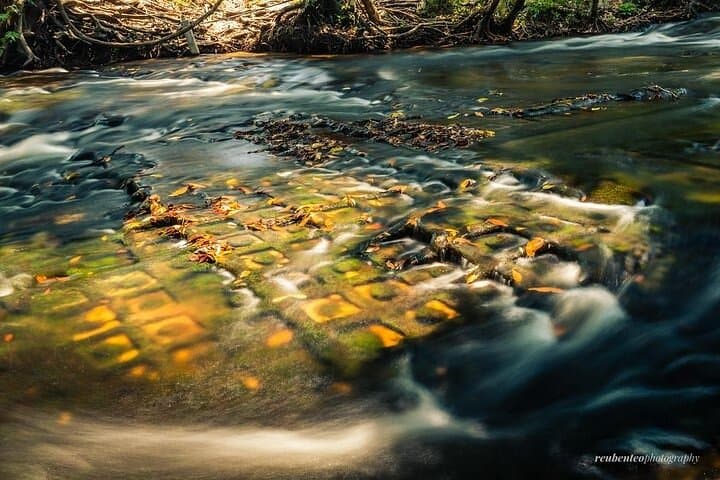
A low-slung minivan pulls away from Siem Reap before the heat climbs the valley walls, and the road nudges into the green shoulders of Phnom Kulen. By mid-morning you stand beneath a broad reclining Buddha at Preah Ang Thom, the stone face worn by centuries of offerings, then follow a shallow river where carved lingas—small phallic symbols—pepper the sandstone bed like an open-air archive. The river seems intent on telling its story, water pushing over ancient reliefs and pooling into natural baths.
A low-slung minivan pulls away from Siem Reap before the heat climbs the valley walls, and the road nudges into the green shoulders of Phnom Kulen. By mid-morning you stand beneath a broad reclining Buddha at Preah Ang Thom, the stone face worn by centuries of offerings, then follow a shallow river where carved lingas—small phallic symbols—pepper the sandstone bed like an open-air archive. The river seems intent on telling its story, water pushing over ancient reliefs and pooling into natural baths.
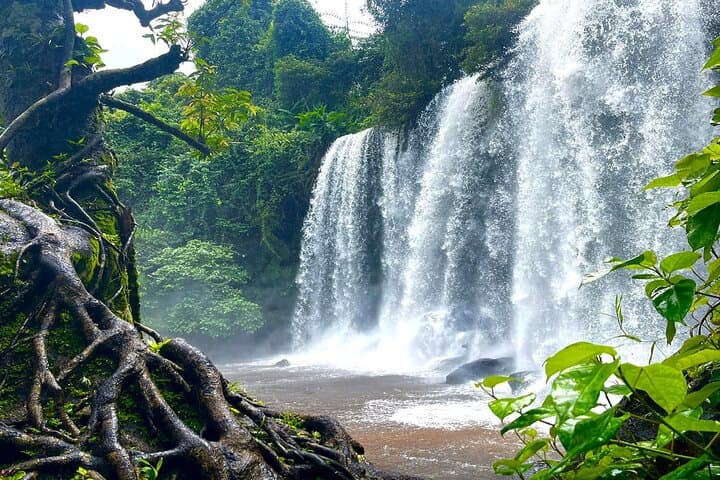
Phnom Kulen was a turning point for Khmer history: in 802 AD King Jayavarman II set the foundations of empire here. Geologically the mountain is a sandstone plateau whose eroding streams formed steps and basins—the waterfall’s vertical curtain is a recent sculptor compared with the stone-carved rituals downstream.
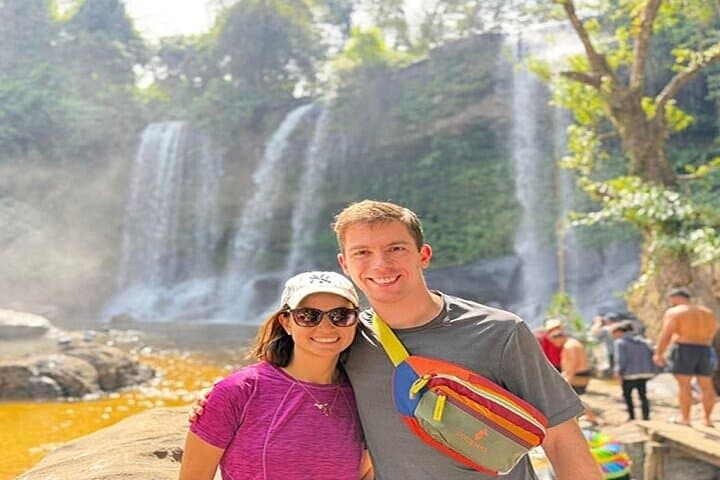
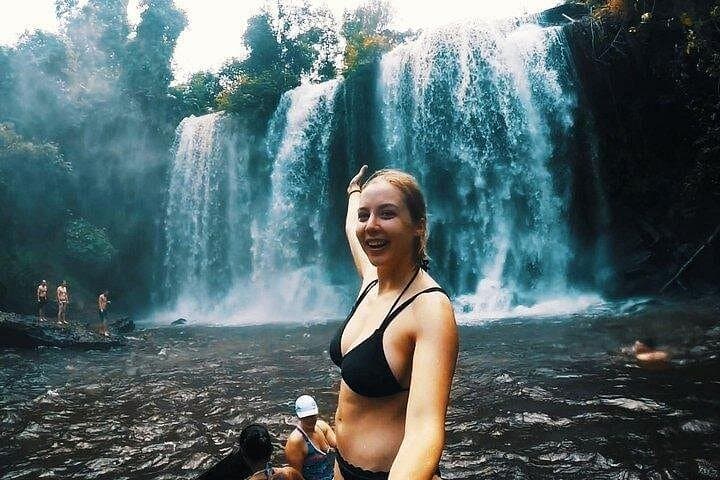
Culturally this is both shrine and picnic ground—local sugar-palm sellers still tap trees around the park and you’ll likely taste fresh palm juice. Expect a straightforward, family-friendly day: a short walk to the lingas, a swim beneath the falls, and stops for photos and local snacks. Guides explain the symbolism and the basic rules—no climbing on sacred carvings, modest dress at temple areas, and watchful attention around slippery rock.
Practical notes: bring a refillable water bottle, water shoes for river sections, and small bills for park fees and palm juice. Start early to avoid mid-day crowds and heat; pools are best for a cooling dip rather than intense swimming. With a bit of preparation, the day balances history, geology and simple wet-weather fun—an accessible stretch of Cambodian wilderness that still speaks with place and purpose.