THE ADVENTURE COLLECTIVE® · Independent discovery and booking for outdoor travel

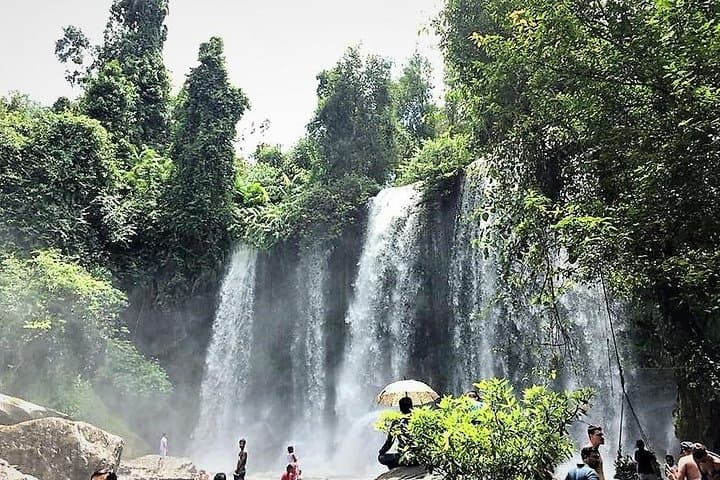
A private day tour from Siem Reap to Phnom Kulen takes you to the river of carved lingas, a 16th‑century reclining Buddha and a swimming waterfall. This guided trip blends easy walking, a short village trek and time for a mineral-water swim.
A private day tour from Siem Reap to Phnom Kulen takes you to the river of carved lingas, a 16th‑century reclining Buddha and a swimming waterfall. This guided trip blends easy walking, a short village trek and time for a mineral-water swim.
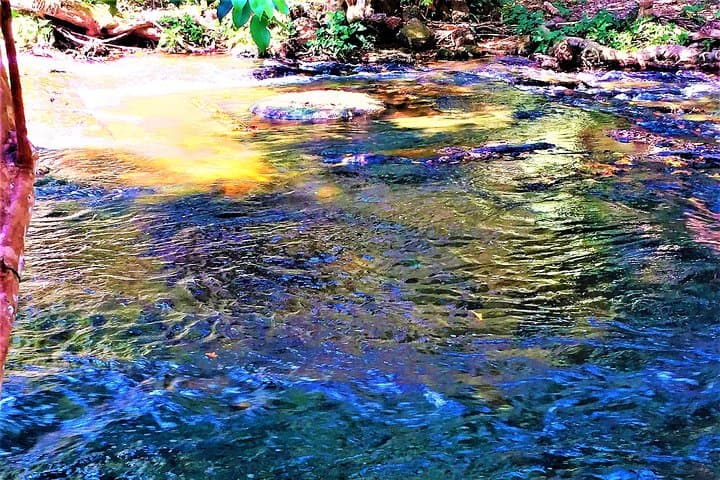
You arrive before the crowd: humid air, the distant roar of falls, and a ribbon of road cutting through low jungle toward Phnom Kulen’s plateau. The drive from Siem Reap eases you into a different landscape—ancient stone, dense forest, and the clear channel of a river that has been carved into religious art.
Verified experiences and guided adventures in the surrounding area.
Operated by Angkor Friendly tour · Siem Reap, Siem Reap Province
You arrive before the crowd: humid air, the distant roar of falls, and a ribbon of road cutting through low jungle toward Phnom Kulen’s plateau. The drive from Siem Reap eases you into a different landscape—ancient stone, dense forest, and the clear channel of a river that has been carved into religious art.
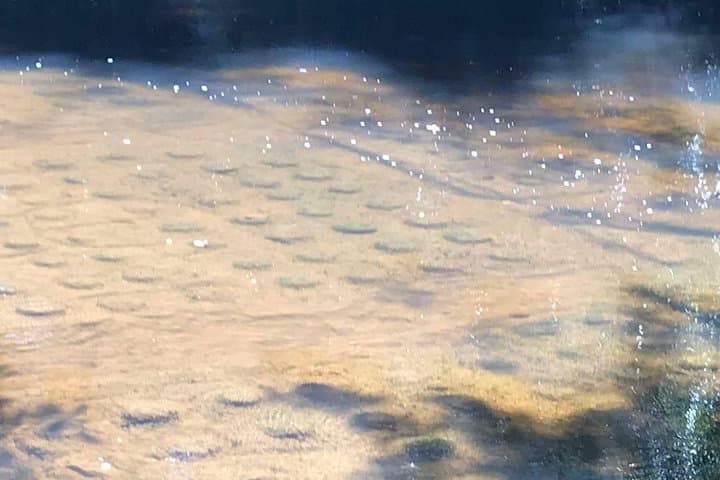
Phnom Kulen was a political and spiritual center in the 9th century when Jayavarman II proclaimed independence here for the Khmer state. The riverbed bears the thousand lingas—shallow, carved Shiva symbols that divert and etch the flow of water—while a 16th‑century reclining Buddha watches from a sandstone bluff.
Geologically the plateau is sandstone and laterite; monsoon-fed streams have hollowed pools and created stepped waterfalls suited to swimming and short scrambles. The park’s villages and temple fragments give the place a lived-in, pilgrimage quality rather than a polished tourist site.
Practically: this private day tour runs about seven hours with an 8:30 am start, includes park tickets, transport, water and towels, and a guided stop for lunch en route to Beng Mealea. Expect a short 300‑meter village trek, a half-hour visit at the lingas, and roughly an hour at the waterfall for swimming. Wear water shoes for slick rock, bring quick-dry clothing, insect repellent and modest cover for temple areas. Timing matters—arrive earlier to avoid the midday heat and the busiest crowds.
Respect the site: it’s both archaeological and sacred. Keep your voice low at shrines, and pack out any trash. The reward is straightforward: mineral-clear pools, hands-on history, and a cool dip under a free‑falling cascade.
moderate.
7 hours.
Suitable for people who can walk short uneven sections and swim in calm pools; basic stamina for a few small scrambles.
The private tour is roughly seven hours with an 8:30 am start, including transfers, visits to the lingas, the reclining Buddha, waterfall swim time and a stop at Beng Mealea.
Yes—many sections are safe for swimming in the pools; stick to calmer holes and avoid the edges of strong flows or recent heavy-rain releases.
This tour includes the Kulen ticket and park access as noted, but bring small cash for personal purchases and optional donations at religious sites.
Children under 12 typically do not need park passes, but bring a passport copy for identification and ensure guardians supervise swimming and rocky sections.
Phnom Kulen is where Jayavarman II performed the independence ritual for the Khmer state in the 9th century; later additions include a 16th‑century reclining Buddha and scattered temple ruins from the Angkor period.
Kulen is both a cultural and natural reserve—stay on marked paths, don’t remove artifacts, and avoid soap or shampoo in the pools to protect water quality.
Angkor Friendly tour operates guided outdoor trips and adventures with an emphasis on safety, stewardship, and memorable experiences.

You arrive before the crowd: humid air, the distant roar of falls, and a ribbon of road cutting through low jungle toward Phnom Kulen’s plateau. The drive from Siem Reap eases you into a different landscape—ancient stone, dense forest, and the clear channel of a river that has been carved into religious art.
You arrive before the crowd: humid air, the distant roar of falls, and a ribbon of road cutting through low jungle toward Phnom Kulen’s plateau. The drive from Siem Reap eases you into a different landscape—ancient stone, dense forest, and the clear channel of a river that has been carved into religious art.
Phnom Kulen was a political and spiritual center in the 9th century when Jayavarman II proclaimed independence here for the Khmer state. The riverbed bears the thousand lingas—shallow, carved Shiva symbols that divert and etch the flow of water—while a 16th‑century reclining Buddha watches from a sandstone bluff.
Geologically the plateau is sandstone and laterite; monsoon-fed streams have hollowed pools and created stepped waterfalls suited to swimming and short scrambles. The park’s villages and temple fragments give the place a lived-in, pilgrimage quality rather than a polished tourist site.
Practically: this private day tour runs about seven hours with an 8:30 am start, includes park tickets, transport, water and towels, and a guided stop for lunch en route to Beng Mealea. Expect a short 300‑meter village trek, a half-hour visit at the lingas, and roughly an hour at the waterfall for swimming. Wear water shoes for slick rock, bring quick-dry clothing, insect repellent and modest cover for temple areas. Timing matters—arrive earlier to avoid the midday heat and the busiest crowds.
Respect the site: it’s both archaeological and sacred. Keep your voice low at shrines, and pack out any trash. The reward is straightforward: mineral-clear pools, hands-on history, and a cool dip under a free‑falling cascade.