THE ADVENTURE COLLECTIVE® · Independent discovery and booking for outdoor travel

See little penguins march ashore, meet koalas and kangaroos, and watch fur seals from coastal lookouts on this Spanish‑language small‑group tour from Melbourne. Expect boardwalks, timed viewing and practical wildlife rules to protect the colony.
See little penguins march ashore, meet koalas and kangaroos, and watch fur seals from coastal lookouts on this Spanish‑language small‑group tour from Melbourne. Expect boardwalks, timed viewing and practical wildlife rules to protect the colony.
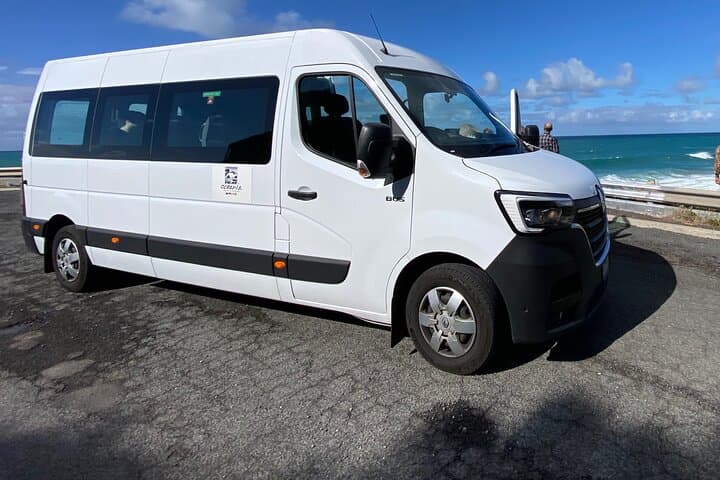
A low, salt-sliced wind carries the smell of kelp as the minivan climbs away from Melbourne and toward the island’s edge. By late afternoon the map flattens into shorelines and grassy dunes; the sun tips the sea into flat silver and the air takes on the impatient hush of birds and surf.
Verified experiences and guided adventures in the surrounding area.
Operated by Oceania Tours and Safaris · Cowes, Victoria
A low, salt-sliced wind carries the smell of kelp as the minivan climbs away from Melbourne and toward the island’s edge. By late afternoon the map flattens into shorelines and grassy dunes; the sun tips the sea into flat silver and the air takes on the impatient hush of birds and surf.
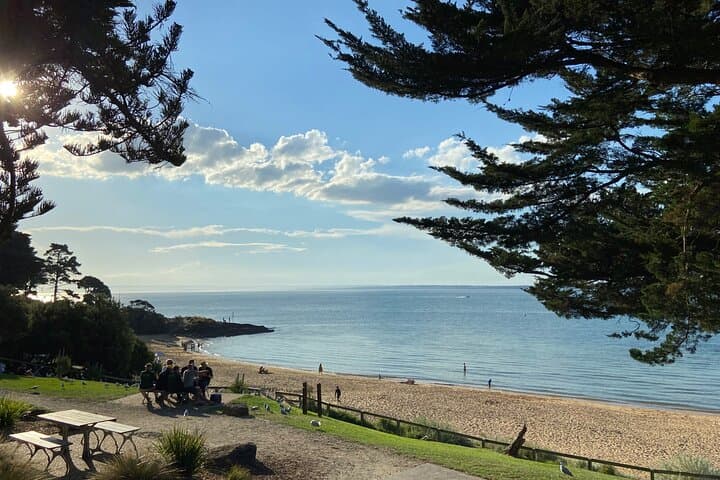
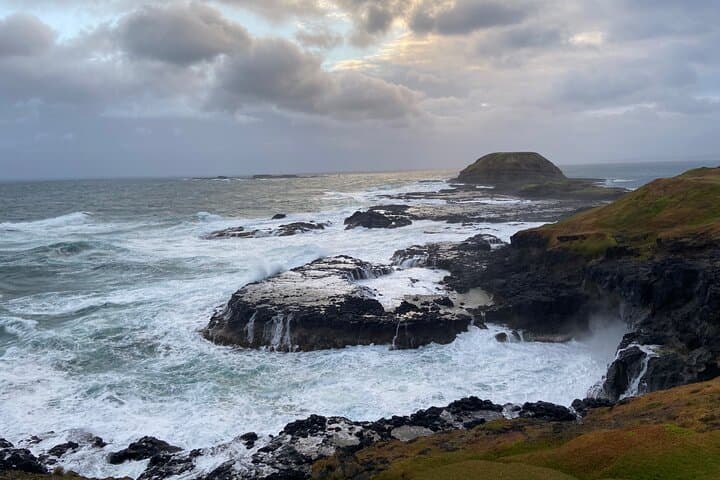
Phillip Island is country of the Bunurong people, and its coastline has long supported fishing, sealing and small farming communities. The island’s dark headlands and sandy coves are shaped by coastal erosion and past volcanic activity on the Bass Coast, producing basalt platforms at The Nobbies and softer sandstone in protected bays. European naturalists began documenting its little penguin colonies in the 19th century; conservation efforts over recent decades have turned nightly shore returns into a carefully managed visitor experience.
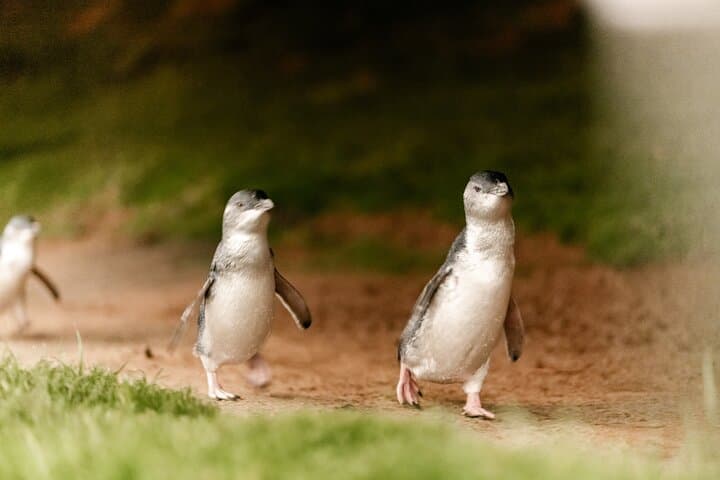
This small-group, Spanish-language tour stitches together three core stops: Moonlit Sanctuary’s up-close encounters with kangaroos, koalas and reptiles; sea views and lookout paths at The Nobbies and Seal Rocks; and the Penguin Parade at Summerland Beach, where little penguins waddle ashore after dusk. Expect interpretive commentary, short walks on boardwalks and viewing platforms, and timed entry to protect the colony.
Practical edge: tours run in the cooler hours so dress in layers, bring a compact headlamp for walking to and from viewing areas, and arrive with binocs or a zoom lens for seal and bird watching. Food options are limited on site—pack snacks and water. Note accessibility varies at each stop and wildlife rules prohibit flash photography and touching the animals.
easy.
8 hours.
Light fitness; mostly seated transport with short, gentle boardwalk walks and stairs at viewing platforms.
Yes—selected Melbourne city centre hotels are included; exact pickup time is confirmed by the local operator before departure.
Interaction depends on the animal and sanctuary rules; handlers supervise encounters and touching is generally limited to allow safe handling.
Children over 3 are generally accommodated; booster seats are available for ages 4–7—check age restrictions when booking.
Photography is permitted but flash and close approaches are prohibited to avoid disturbing the penguins—use a telephoto lens and follow ranger guidance.
The island has long been Bunurong country and later supported sealing and farming; modern conservation work has focused on protecting seabird colonies and coastal habitat.
The Penguin Parade operates timed entry and boardwalks to reduce disturbance; visitors are asked to follow rules limiting noise, lights and proximity to wildlife to protect fragile colonies.
Oceania Tours and Safaris operates guided outdoor trips and adventures with an emphasis on safety, stewardship, and memorable experiences.
A low, salt-sliced wind carries the smell of kelp as the minivan climbs away from Melbourne and toward the island’s edge. By late afternoon the map flattens into shorelines and grassy dunes; the sun tips the sea into flat silver and the air takes on the impatient hush of birds and surf.
A low, salt-sliced wind carries the smell of kelp as the minivan climbs away from Melbourne and toward the island’s edge. By late afternoon the map flattens into shorelines and grassy dunes; the sun tips the sea into flat silver and the air takes on the impatient hush of birds and surf.
Phillip Island is country of the Bunurong people, and its coastline has long supported fishing, sealing and small farming communities. The island’s dark headlands and sandy coves are shaped by coastal erosion and past volcanic activity on the Bass Coast, producing basalt platforms at The Nobbies and softer sandstone in protected bays. European naturalists began documenting its little penguin colonies in the 19th century; conservation efforts over recent decades have turned nightly shore returns into a carefully managed visitor experience.
This small-group, Spanish-language tour stitches together three core stops: Moonlit Sanctuary’s up-close encounters with kangaroos, koalas and reptiles; sea views and lookout paths at The Nobbies and Seal Rocks; and the Penguin Parade at Summerland Beach, where little penguins waddle ashore after dusk. Expect interpretive commentary, short walks on boardwalks and viewing platforms, and timed entry to protect the colony.
Practical edge: tours run in the cooler hours so dress in layers, bring a compact headlamp for walking to and from viewing areas, and arrive with binocs or a zoom lens for seal and bird watching. Food options are limited on site—pack snacks and water. Note accessibility varies at each stop and wildlife rules prohibit flash photography and touching the animals.