THE ADVENTURE COLLECTIVE® · Independent discovery and booking for outdoor travel

Escape Melbourne for a day of close wildlife encounters on Phillip Island: koalas in eucalyptus canopy, wallabies along cliff roads, and the nightly spectacle of little penguins returning from sea. Practical tips help you prepare for winds, dusk viewing, and respectful wildlife watching.
Escape Melbourne for a day of close wildlife encounters on Phillip Island: koalas in eucalyptus canopy, wallabies along cliff roads, and the nightly spectacle of little penguins returning from sea. Practical tips help you prepare for winds, dusk viewing, and respectful wildlife watching.
The bus hums out of Southern Cross as the city skyline shrinks and Bass Strait draws nearer—the road unfurls across the bridge at San Remo and, within an hour, the island’s salt-cut wind and low heathlands replace urban noise.
Verified experiences and guided adventures in the surrounding area.
Operated by Melbourne Sights · Cowes, Victoria
The bus hums out of Southern Cross as the city skyline shrinks and Bass Strait draws nearer—the road unfurls across the bridge at San Remo and, within an hour, the island’s salt-cut wind and low heathlands replace urban noise.
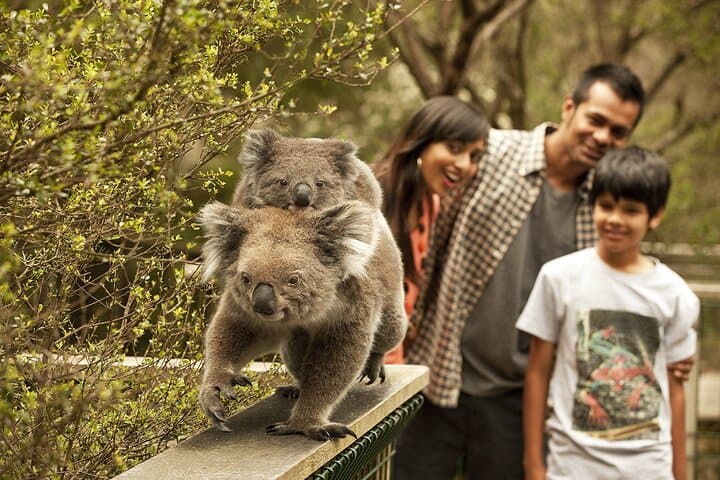
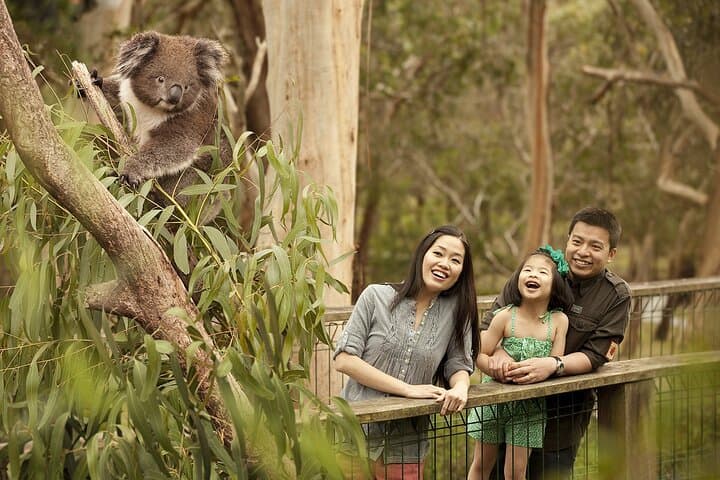
At the Phillip Island Koala Conservation Reserve, elevated boardwalks put the eucalyptus canopy at eye level; koalas move with slow, deliberate economy while magpies and cockatoos flit through the understory. Geologically, the island is a remnant of Miocene volcanics and coastal sedimentation, its cliffs and sandy spits shaped by strong southerly swells. Culturally the area blends agricultural history and fishing villages—San Remo’s wharf and Seal Rocks’ lookout recall a working coastline that now shares space with wildlife tourism.
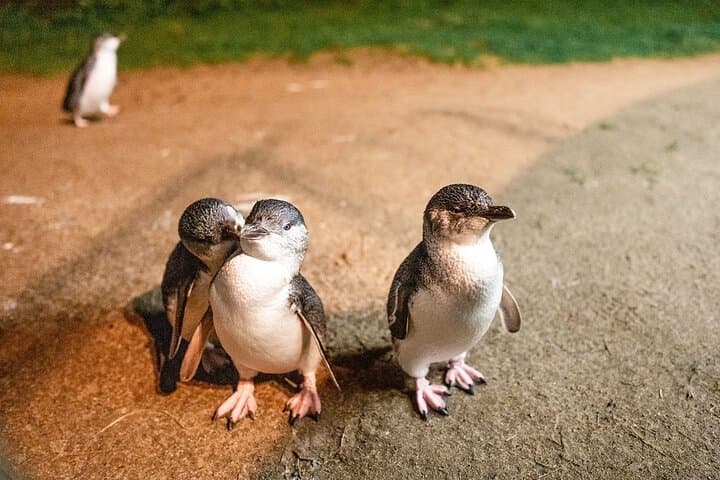
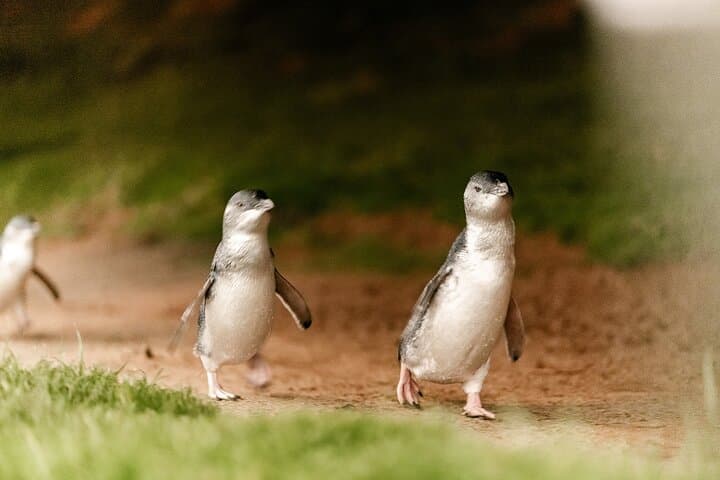
Nobbies and Seal Rocks offer cliff-top panoramas where fur seals and seabirds ride the wind; the dirt coastal drive invites slow wildlife spotting—wallabies often graze in twilight, and echidnas dig in roadside grasses. The evening’s draw is the Penguin Parade: after a day at sea the little penguins emerge and waddle toward burrows, a behavior moderated by the Nature Parks to protect breeding success.
Practical guidance: dress in layers for wind and variable coastal temperatures, bring quiet movement and a red-filtered flashlight if needed, and arrive early to orient at the visitor centre. Note accepted behavior around penguin viewing—no flash photography or loud noise—and allow time for coach transfers back to Melbourne. This is an accessible, low-impact wildlife experience best appreciated slowly and respectfully.
easy.
9–10 hours.
Suitable for most fitness levels; the tour involves short walks on boardwalks and flat coastal tracks.
The tour lasts about 9.5 hours (departing mid-afternoon) with return to Southern Cross Station late in the evening—exact times vary by season and penguin arrival times.
Yes—boardwalks and many viewing areas are wheelchair-accessible; strollers are allowed and the tour is suitable for families, though penguin viewing requires quiet and patience.
No—feeding or touching wildlife is prohibited to protect animal health and natural behaviors; follow park signage and guide instructions.
Penguins typically return after sunset; arrival times shift seasonally and with tides, so arrive early for the best chance to see them and to visit the visitor centre beforehand.
Phillip Island has a mixed history of agriculture and fishing; European settlement intensified in the 19th century while Indigenous Bunurong connections to the coastline remain significant.
Phillip Island Nature Parks operates strict viewing rules and habitat management to protect breeding penguins and coastal ecosystems—visitors help by keeping to paths and minimizing light and noise.
Melbourne Sights operates guided outdoor trips and adventures with an emphasis on safety, stewardship, and memorable experiences.
The bus hums out of Southern Cross as the city skyline shrinks and Bass Strait draws nearer—the road unfurls across the bridge at San Remo and, within an hour, the island’s salt-cut wind and low heathlands replace urban noise.
The bus hums out of Southern Cross as the city skyline shrinks and Bass Strait draws nearer—the road unfurls across the bridge at San Remo and, within an hour, the island’s salt-cut wind and low heathlands replace urban noise.
At the Phillip Island Koala Conservation Reserve, elevated boardwalks put the eucalyptus canopy at eye level; koalas move with slow, deliberate economy while magpies and cockatoos flit through the understory. Geologically, the island is a remnant of Miocene volcanics and coastal sedimentation, its cliffs and sandy spits shaped by strong southerly swells. Culturally the area blends agricultural history and fishing villages—San Remo’s wharf and Seal Rocks’ lookout recall a working coastline that now shares space with wildlife tourism.
Nobbies and Seal Rocks offer cliff-top panoramas where fur seals and seabirds ride the wind; the dirt coastal drive invites slow wildlife spotting—wallabies often graze in twilight, and echidnas dig in roadside grasses. The evening’s draw is the Penguin Parade: after a day at sea the little penguins emerge and waddle toward burrows, a behavior moderated by the Nature Parks to protect breeding success.
Practical guidance: dress in layers for wind and variable coastal temperatures, bring quiet movement and a red-filtered flashlight if needed, and arrive early to orient at the visitor centre. Note accepted behavior around penguin viewing—no flash photography or loud noise—and allow time for coach transfers back to Melbourne. This is an accessible, low-impact wildlife experience best appreciated slowly and respectfully.