THE ADVENTURE COLLECTIVE® · Independent discovery and booking for outdoor travel

Travel from Melbourne to Phillip Island for a full-day wildlife tour that includes pelican feeding at San Remo, coastal lookouts like The Nobbies, a hands-on wildlife park, and the world-famous Penguin Parade at sunset. Expect coastal drama, close animal encounters, and practical tips for timing and gear.
Travel from Melbourne to Phillip Island for a full-day wildlife tour that includes pelican feeding at San Remo, coastal lookouts like The Nobbies, a hands-on wildlife park, and the world-famous Penguin Parade at sunset. Expect coastal drama, close animal encounters, and practical tips for timing and gear.
The van slips out of Melbourne just after dawn and the city grid thins into farmland—gold stubble and low, weathered gums rolling toward Bass Strait. By midmorning you are watching pelicans in San Remo, broad wings blocking the sun as local handlers portion out fresh fish. That quiet, almost theatrical scene is a proper overture to Phillip Island: a compact coastline where wind shapes the rocks and small creatures own the shore.
Verified experiences and guided adventures in the surrounding area.
Operated by El Paseo Aussie · Cowes, Victoria
The van slips out of Melbourne just after dawn and the city grid thins into farmland—gold stubble and low, weathered gums rolling toward Bass Strait. By midmorning you are watching pelicans in San Remo, broad wings blocking the sun as local handlers portion out fresh fish. That quiet, almost theatrical scene is a proper overture to Phillip Island: a compact coastline where wind shapes the rocks and small creatures own the shore.
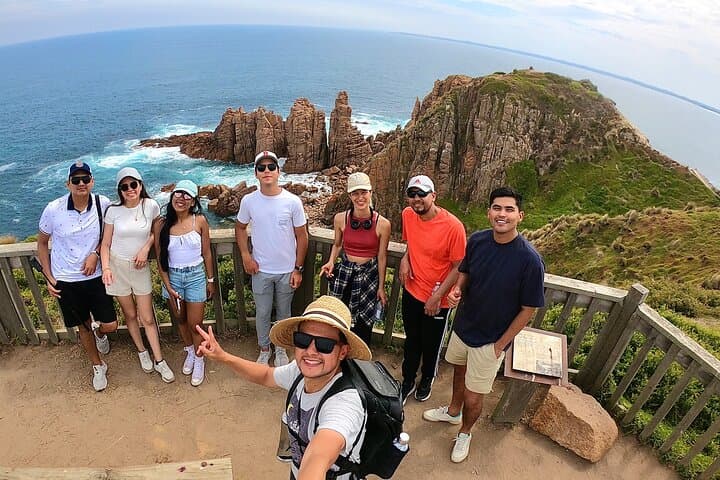
The island’s geology is blunt and honest—mixtures of volcanic basalt and consolidated sands eroded into cliffs, stacks and flat platforms that throw spray back at you. The tour threads lookouts like Pyramid Rock and The Pinnacles, depending on weather, where the ocean reads like a clock: reliable, driving life toward the rocks. At The Nobbies the boardwalks hang close to the edge and you can watch the sea bruise into blowholes while Seal Rocks hosts a noisy colony of fur seals offshore.
Phillip Island’s human story is a short one in colonial terms but long in local meaning. The area was a seasonal hunting ground for the Boonwurrung people, and European settlers later carved dairy farms and fishing spots from the dunes. Today conservation and tourism coexist awkwardly but productively—Nature Parks manages the Penguin Parade to keep human impact low while allowing the public a rare view into the penguins’ rhythms.
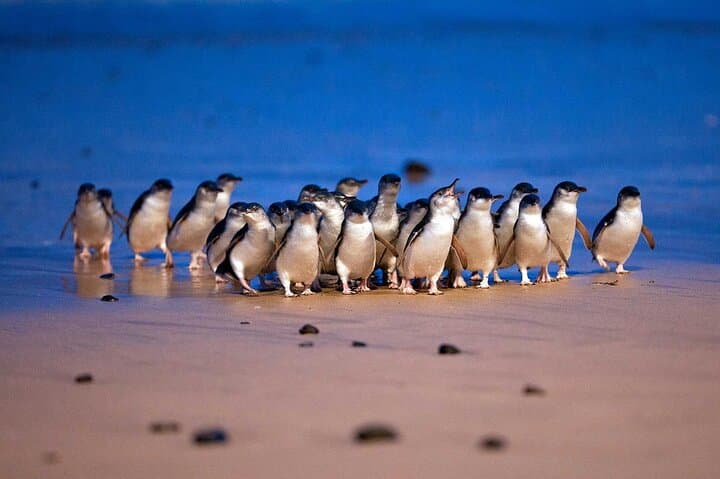
The emotional center of the day arrives at dusk when the little penguins come ashore. They return from feeding in the bay in groups the size of a slow, waddling tide; the boardwalks and viewing platforms are designed to minimize disturbance and ban flash photography for good reason—the penguins are easily disoriented by light. Your guide will explain their life cycles: how these smallest of penguins swim miles for food, then navigate back by scent and moonlight.
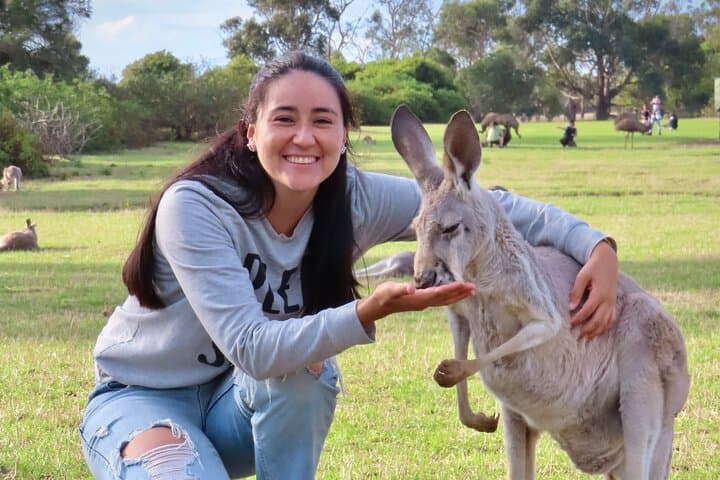
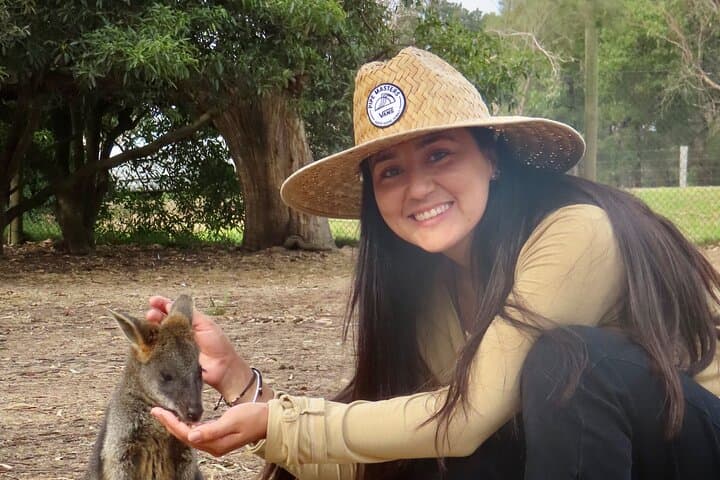
Practical side: the full itinerary is long—expect roughly 12 hours including hotel pickup in Melbourne, multiple coastal stops, a wildlife park visit where you can feed kangaroos and emus, and the Penguin Parade entry. Dress in layers—the wind comes off Bass Strait cold even in summer—and wear sturdy shoes for boardwalks and short, uneven trails. Bring binoculars, a small headlamp for safety on the walk back to the car park, and patience; wildlife is never on a strict schedule.
If you want better photos, arrive early at each lookout for open light, and at the Nobbies watch for seal activity at low tide. Respect the viewing rules at the Penguin Parade—quiet, dark, and still—and you’ll witness one of Australia’s most singular wildlife spectacles: tiny figures, returning under a sky that feels much larger than the island itself.
moderate.
12 hours.
Suitable for most fitness levels; requires standing and short walks on uneven surfaces, and patience for late-evening viewing
The tour runs about 12 hours from hotel pickup in Melbourne to return; exact times vary with traffic and sunset.
Yes—children love the spectacle but must remain quiet and not use flash; infant seats are available for transport if needed.
Photography is allowed from designated areas but flash is prohibited; use a telephoto lens from the boardwalk for the best shots.
Light snacks, coffee and bottled water are included in the morning; plan to buy a meal during the Cowes stop or bring your own.
The tour operates in most weather but may be canceled if conditions compromise safety; check the supplier’s cancellation policy for details.
At the wildlife park you can feed kangaroos and see emus up close; at coastal sites, wildlife viewing is from boardwalks or overlooks to protect animals and visitors.
The island was traditionally used by the Boonwurrung people and later developed for farming and fishing; conservation efforts to protect penguin habitats began in the 20th century.
Phillip Island Nature Parks manages viewing platforms and strict rules (no flash, quiet viewing) to reduce disturbance; stay on paths to avoid trampling burrows.
El Paseo Aussie operates guided outdoor trips and adventures with an emphasis on safety, stewardship, and memorable experiences.
The van slips out of Melbourne just after dawn and the city grid thins into farmland—gold stubble and low, weathered gums rolling toward Bass Strait. By midmorning you are watching pelicans in San Remo, broad wings blocking the sun as local handlers portion out fresh fish. That quiet, almost theatrical scene is a proper overture to Phillip Island: a compact coastline where wind shapes the rocks and small creatures own the shore.
The van slips out of Melbourne just after dawn and the city grid thins into farmland—gold stubble and low, weathered gums rolling toward Bass Strait. By midmorning you are watching pelicans in San Remo, broad wings blocking the sun as local handlers portion out fresh fish. That quiet, almost theatrical scene is a proper overture to Phillip Island: a compact coastline where wind shapes the rocks and small creatures own the shore.
The island’s geology is blunt and honest—mixtures of volcanic basalt and consolidated sands eroded into cliffs, stacks and flat platforms that throw spray back at you. The tour threads lookouts like Pyramid Rock and The Pinnacles, depending on weather, where the ocean reads like a clock: reliable, driving life toward the rocks. At The Nobbies the boardwalks hang close to the edge and you can watch the sea bruise into blowholes while Seal Rocks hosts a noisy colony of fur seals offshore.
Phillip Island’s human story is a short one in colonial terms but long in local meaning. The area was a seasonal hunting ground for the Boonwurrung people, and European settlers later carved dairy farms and fishing spots from the dunes. Today conservation and tourism coexist awkwardly but productively—Nature Parks manages the Penguin Parade to keep human impact low while allowing the public a rare view into the penguins’ rhythms.
The emotional center of the day arrives at dusk when the little penguins come ashore. They return from feeding in the bay in groups the size of a slow, waddling tide; the boardwalks and viewing platforms are designed to minimize disturbance and ban flash photography for good reason—the penguins are easily disoriented by light. Your guide will explain their life cycles: how these smallest of penguins swim miles for food, then navigate back by scent and moonlight.
Practical side: the full itinerary is long—expect roughly 12 hours including hotel pickup in Melbourne, multiple coastal stops, a wildlife park visit where you can feed kangaroos and emus, and the Penguin Parade entry. Dress in layers—the wind comes off Bass Strait cold even in summer—and wear sturdy shoes for boardwalks and short, uneven trails. Bring binoculars, a small headlamp for safety on the walk back to the car park, and patience; wildlife is never on a strict schedule.
If you want better photos, arrive early at each lookout for open light, and at the Nobbies watch for seal activity at low tide. Respect the viewing rules at the Penguin Parade—quiet, dark, and still—and you’ll witness one of Australia’s most singular wildlife spectacles: tiny figures, returning under a sky that feels much larger than the island itself.