THE ADVENTURE COLLECTIVE® · Independent discovery and booking for outdoor travel

Spend a half-day on the Nile exploring Philae Temple, the Aswan High Dam, and the colossal Unfinished Obelisk. This compact tour pairs ancient craftsmanship with modern engineering and is ideal for travelers who want a concentrated cultural overview of Aswan.
Spend a half-day on the Nile exploring Philae Temple, the Aswan High Dam, and the colossal Unfinished Obelisk. This compact tour pairs ancient craftsmanship with modern engineering and is ideal for travelers who want a concentrated cultural overview of Aswan.
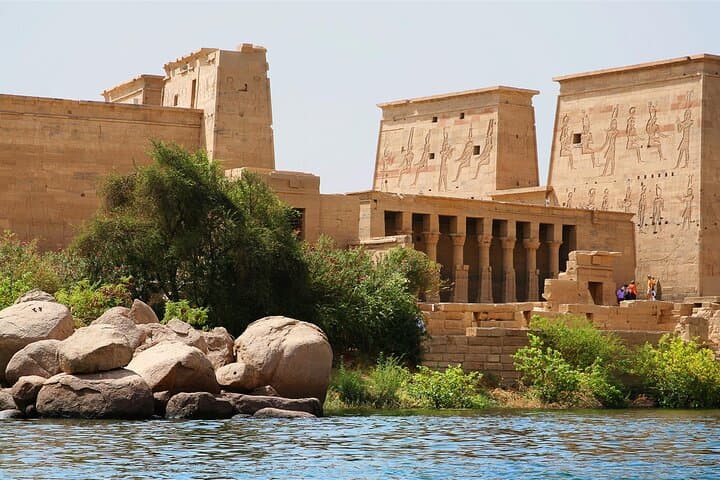
Dawn on the Nile throws a flat gold across Aswan; feluccas tilt their sails and the river seems to breathe. A small motorboat slips toward Agilkia Island and Philae Temple rises—stone walls carved with gods, hieroglyphs that still feel like a conversation. The guide's voice threads past stories of Isis and Osiris while palm fronds gesture at the water.
Verified experiences and guided adventures in the surrounding area.
Operated by Saray El-Nile · Aswan, Aswan Governorate
Dawn on the Nile throws a flat gold across Aswan; feluccas tilt their sails and the river seems to breathe. A small motorboat slips toward Agilkia Island and Philae Temple rises—stone walls carved with gods, hieroglyphs that still feel like a conversation. The guide's voice threads past stories of Isis and Osiris while palm fronds gesture at the water.
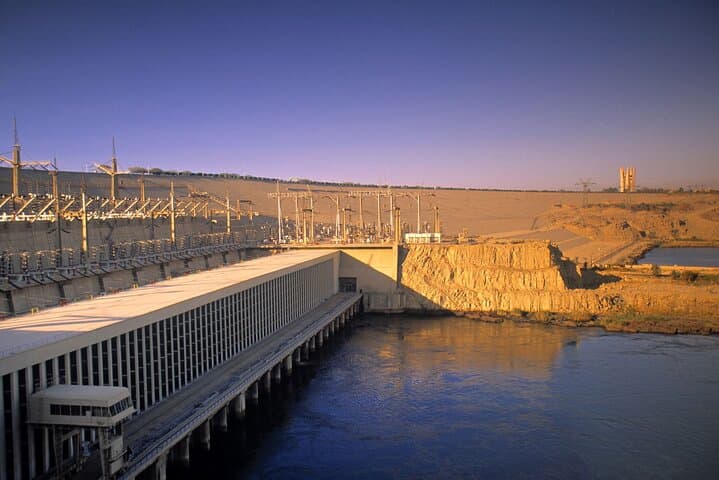
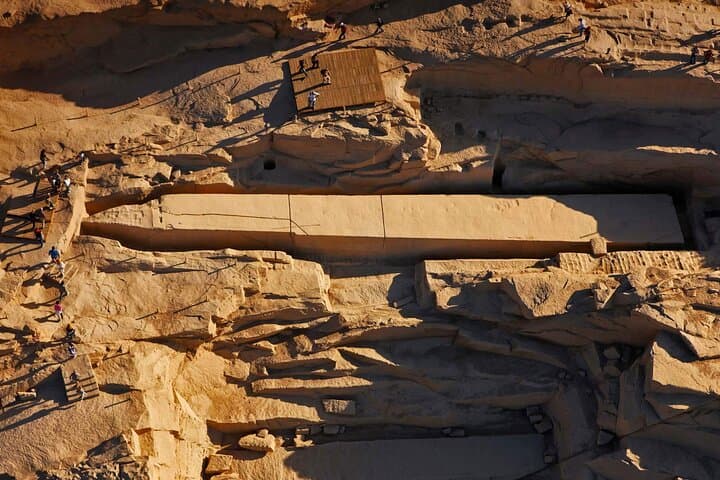
This half-day route pairs ancient craft and modern engineering. Philae was dismantled and moved stone-by-stone in the 1960s to save it from the rising waters caused by the Aswan High Dam—an exercise in international archaeology and mid-20th-century planning. The High Dam itself reshaped Nile hydrology, enabled year-round irrigation and hydroelectric power, and transformed farming and settlement patterns along the river. Nearby, the Unfinished Obelisk in the granite quarries offers a raw lesson in ancient stone-working: here a 1,200-ton monument sits tethered to the bedrock, abandoned when cracks appeared.
Expect short walks, some worn stone steps and open-air viewing points rather than long hikes. The terrain is flat at each stop but can be hot and exposed; the High Dam visit is largely observational with interpretive panels.
Practical notes: mornings are best for softer light and smaller crowds; bring sun protection and water. Admission for Philae and the quarries is typically required; confirm whether admission is included when booking. Photography is unrestricted at most stops but respect temple signage. Combine curiosity about ancient techniques with an understanding of modern trade-offs—the dam that saved and altered the Nile is part of the same story as the rescued temple.
easy.
3–4 hours.
Suitable for most fitness levels; involves short walks and steps but no sustained climbing.
Some tours include Philae and the Unfinished Obelisk admission and the boat transfer; verify the booking details before you go.
This is a half-day experience—plan on roughly 3–4 hours including transfers and guided visits.
No—walking is short and mainly on flat terraces or steps; the tour is suitable for most travelers with basic mobility.
Photography is generally allowed in outdoor areas and temple courtyards, but always follow signage and guide instructions for restricted spots.
Philae was relocated to Agilkia Island in the 1960s as part of UNESCO-led salvage operations tied to the creation of the Aswan High Dam; the dam itself was completed in 1970 and dramatically altered Nile management.
Visitor pressure is managed through guided routes and signage; stay on paths, avoid touching fragile reliefs and pack out all waste to protect these conserved sites.
Saray El-Nile operates guided outdoor trips and adventures with an emphasis on safety, stewardship, and memorable experiences.
Dawn on the Nile throws a flat gold across Aswan; feluccas tilt their sails and the river seems to breathe. A small motorboat slips toward Agilkia Island and Philae Temple rises—stone walls carved with gods, hieroglyphs that still feel like a conversation. The guide's voice threads past stories of Isis and Osiris while palm fronds gesture at the water.
Dawn on the Nile throws a flat gold across Aswan; feluccas tilt their sails and the river seems to breathe. A small motorboat slips toward Agilkia Island and Philae Temple rises—stone walls carved with gods, hieroglyphs that still feel like a conversation. The guide's voice threads past stories of Isis and Osiris while palm fronds gesture at the water.
This half-day route pairs ancient craft and modern engineering. Philae was dismantled and moved stone-by-stone in the 1960s to save it from the rising waters caused by the Aswan High Dam—an exercise in international archaeology and mid-20th-century planning. The High Dam itself reshaped Nile hydrology, enabled year-round irrigation and hydroelectric power, and transformed farming and settlement patterns along the river. Nearby, the Unfinished Obelisk in the granite quarries offers a raw lesson in ancient stone-working: here a 1,200-ton monument sits tethered to the bedrock, abandoned when cracks appeared.
Expect short walks, some worn stone steps and open-air viewing points rather than long hikes. The terrain is flat at each stop but can be hot and exposed; the High Dam visit is largely observational with interpretive panels.
Practical notes: mornings are best for softer light and smaller crowds; bring sun protection and water. Admission for Philae and the quarries is typically required; confirm whether admission is included when booking. Photography is unrestricted at most stops but respect temple signage. Combine curiosity about ancient techniques with an understanding of modern trade-offs—the dam that saved and altered the Nile is part of the same story as the rescued temple.