THE ADVENTURE COLLECTIVE® · Independent discovery and booking for outdoor travel

Cross the Nile to Philae’s island temple and then walk through a colorful Nubian village, tasting tea, meeting families and seeing carvings saved from the High Dam project. This half-day private tour blends archaeology with living culture and a short scenic boat ride.
Cross the Nile to Philae’s island temple and then walk through a colorful Nubian village, tasting tea, meeting families and seeing carvings saved from the High Dam project. This half-day private tour blends archaeology with living culture and a short scenic boat ride.
You step off a low motorboat and the Nile presses at your ankles like a slow-moving promise. The island ahead holds stone colonnades carved with gods and boatmen steer past papyrus reeds and the shadow of Elephantine Island. The air smells of river water and spiced tea; voices from a Nubian house cut through gull calls as bright paint catches the sun.
Verified experiences and guided adventures in the surrounding area.
Operated by Luxor Taxi - DayTour · Aswan, Aswan Governorate
You step off a low motorboat and the Nile presses at your ankles like a slow-moving promise. The island ahead holds stone colonnades carved with gods and boatmen steer past papyrus reeds and the shadow of Elephantine Island. The air smells of river water and spiced tea; voices from a Nubian house cut through gull calls as bright paint catches the sun.
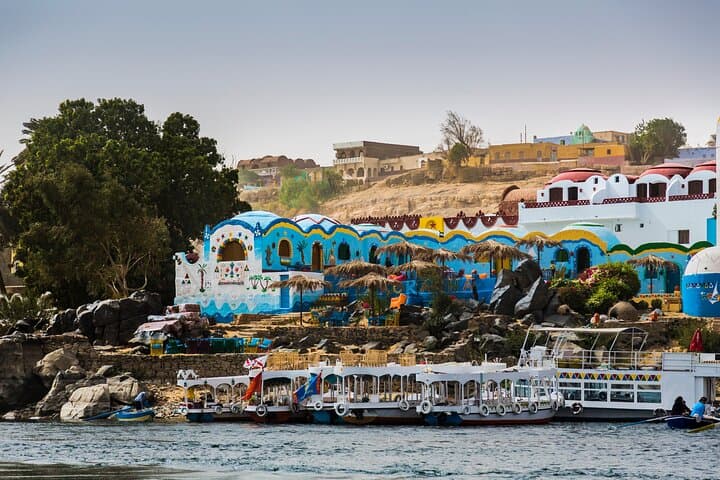
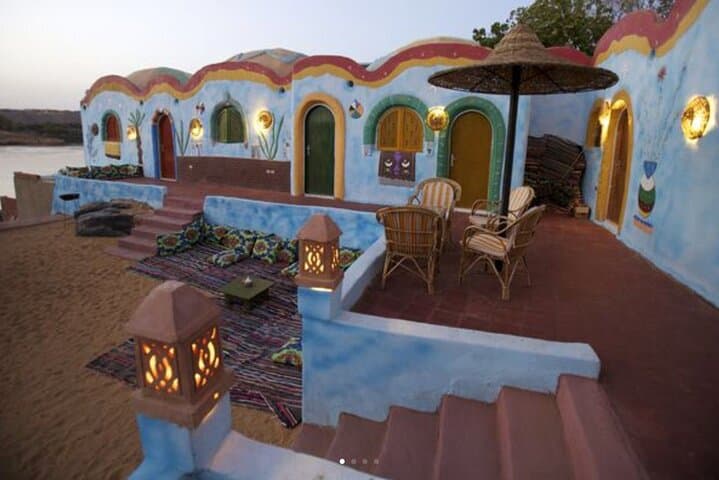
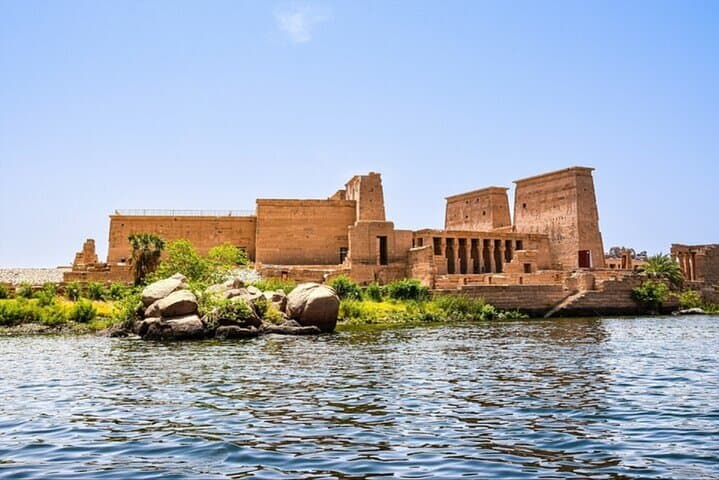
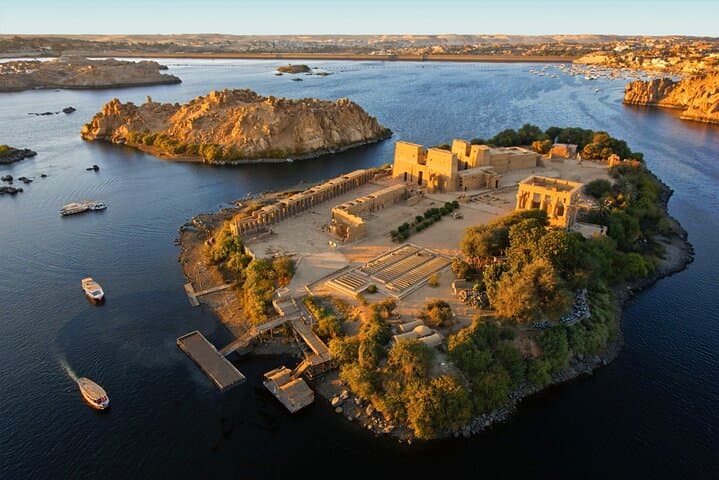
Philae Temple, built for Isis and reworked through Pharaonic, Ptolemaic and Roman eras, was painstakingly relocated block-by-block to Agilkia Island during the Aswan High Dam rescue project — a modern engineering chapter that preserved millennia of reliefs from the reservoir's rise. Nearby, Nubian villages on the Nile’s banks keep a living culture: low-slung homes painted in saturated blues, ochres and greens, small craft traditions, and hospitality centered on shared tea.
Expect a short scenic boat transfer (10–20 minutes each way), roughly two hours of walking around Philae’s terraces and courtyards, then a gentle village walk with stops in private homes for tea and conversation. Terrain is flat but unshaded; narrow streets can be uneven.
Plan for sun, steady hydration and modest clothing out of cultural respect. Admission to Philae is typically paid at the site (not included), and bargaining is common at village craft stalls. Morning or late-afternoon departures cut the heat and sharpen light on the carvings. Bring small cash for entrance fees, refreshments and modest tips — and allow time to listen: the river’s current and local conversation are as much a part of this trip as the stones.
easy.
4–5 hours.
Basic mobility and the ability to walk on flat but uneven ground for several hours; suitable for most fitness levels.
No — admission is typically not included and is paid at the site; bring cash or check current ticketing options before you go.
Boat rides between Aswan and the island are usually 10–20 minutes each way, depending on landing points and traffic on the river.
Yes; the tour is family-friendly but infants must sit on an adult’s lap during transfers and supervision is required in village homes and on docks.
Yes — this particular tour typically includes hotel pickup and drop-off in an air-conditioned vehicle; confirm pickup location when booking.
Philae served as a major cult center for Isis; when the Aswan High Dam threatened it, UNESCO and Egyptian teams relocated the temple to Agilkia Island in the 1960s–70s.
The temple relocation is a landmark in heritage conservation; visitors should avoid littering, minimize plastic use, and support local guide-led visits that channel income to village communities.
Luxor Taxi - DayTour operates guided outdoor trips and adventures with an emphasis on safety, stewardship, and memorable experiences.
You step off a low motorboat and the Nile presses at your ankles like a slow-moving promise. The island ahead holds stone colonnades carved with gods and boatmen steer past papyrus reeds and the shadow of Elephantine Island. The air smells of river water and spiced tea; voices from a Nubian house cut through gull calls as bright paint catches the sun.
You step off a low motorboat and the Nile presses at your ankles like a slow-moving promise. The island ahead holds stone colonnades carved with gods and boatmen steer past papyrus reeds and the shadow of Elephantine Island. The air smells of river water and spiced tea; voices from a Nubian house cut through gull calls as bright paint catches the sun.
Philae Temple, built for Isis and reworked through Pharaonic, Ptolemaic and Roman eras, was painstakingly relocated block-by-block to Agilkia Island during the Aswan High Dam rescue project — a modern engineering chapter that preserved millennia of reliefs from the reservoir's rise. Nearby, Nubian villages on the Nile’s banks keep a living culture: low-slung homes painted in saturated blues, ochres and greens, small craft traditions, and hospitality centered on shared tea.
Expect a short scenic boat transfer (10–20 minutes each way), roughly two hours of walking around Philae’s terraces and courtyards, then a gentle village walk with stops in private homes for tea and conversation. Terrain is flat but unshaded; narrow streets can be uneven.
Plan for sun, steady hydration and modest clothing out of cultural respect. Admission to Philae is typically paid at the site (not included), and bargaining is common at village craft stalls. Morning or late-afternoon departures cut the heat and sharpen light on the carvings. Bring small cash for entrance fees, refreshments and modest tips — and allow time to listen: the river’s current and local conversation are as much a part of this trip as the stones.