THE ADVENTURE COLLECTIVE® · Independent discovery and booking for outdoor travel

Step aboard a short motor boat from Aswan and arrive at Philae, a reassembled Ptolemaic temple complex honoring Isis. This concise guide covers the scene, history, and what to pack — practical advice for a smooth half-day visit.
Step aboard a short motor boat from Aswan and arrive at Philae, a reassembled Ptolemaic temple complex honoring Isis. This concise guide covers the scene, history, and what to pack — practical advice for a smooth half-day visit.
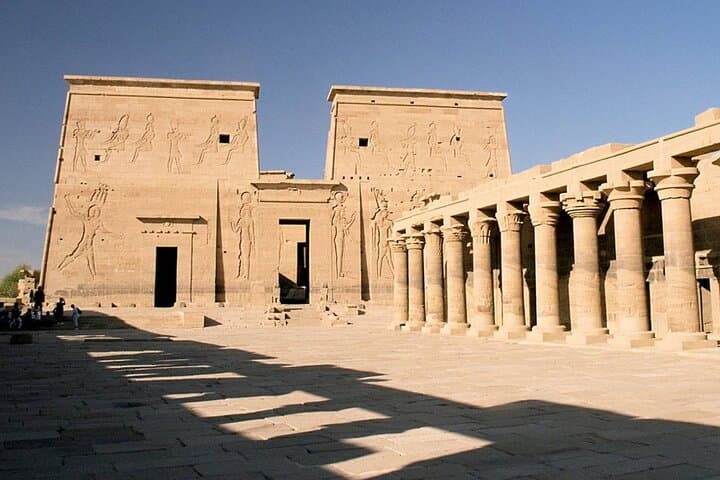
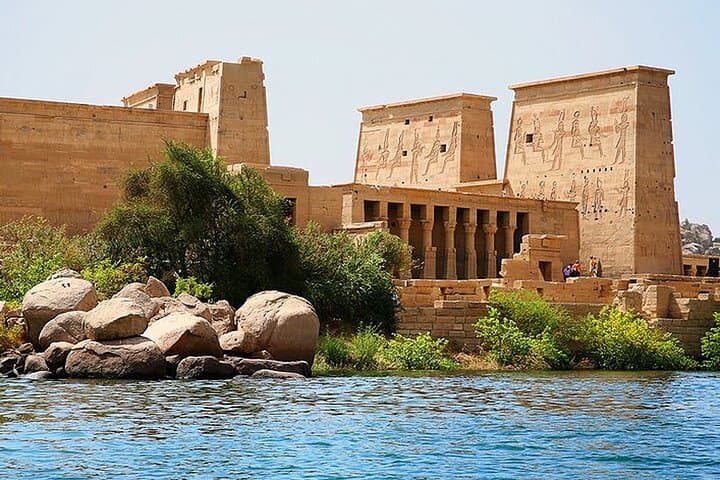
The motor boat parts the Nile like a pen across a page, and before long the stone silhouettes of Philae rise from the water — walls scored by sun and sand, reliefs catching the light.
Verified experiences and guided adventures in the surrounding area.
Operated by NORTH AFRICAN SHIPPING AND TOURISM COMPANY (NASCO TOURS) · Aswan, Aswan Governorate
The motor boat parts the Nile like a pen across a page, and before long the stone silhouettes of Philae rise from the water — walls scored by sun and sand, reliefs catching the light.
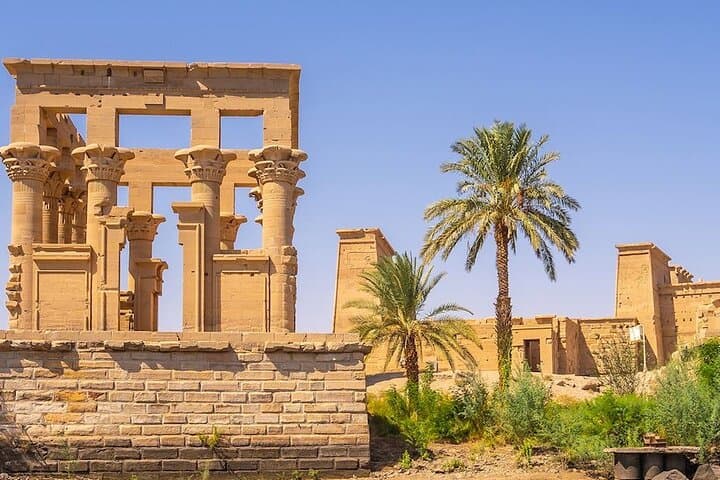
Perched on Agilkia Island after the 1960s UNESCO relocation, Philae’s colonnades and chapels belong mostly to the Ptolemaic era. Ptolemy II dedicated the main temple to Isis; inside the birth room a carved scene shows Isis nursing the infant Horus amid marsh reeds. The island’s bedrock is part of the granite and gneiss complex that defines southern Egypt, giving the monuments a compact, weathered feel that resists abrasion but shows centuries of river-borne sand.
Culturally, Philae was a late center of Egyptian religion — a pilgrimage site and a living shrine well into the Byzantine period. Today the site reads like an open-air museum: hieroglyphs, Greek inscriptions and Christian graffiti layered together, evidence of changing worship and continuous human presence.
Practically, the trip from Aswan hotels runs about three hours door-to-door and includes a short motor-boat crossing. Entrance fees are not included, so plan cash or a local card for tickets. Wear sturdy shoes for uneven stone, a hat and sunscreen for the strong sun, and modest clothing out of respect at a religious monument. Morning departures beat the heat and crowds; afternoon light is best for photography. Expect a guided walkthrough of the main temple and 60–90 minutes to explore the site at a measured pace. Boarding a small boat is required, and some steps are steep — mobility considerations are important. With basic preparation, the visit is an efficient, evocative slice of Nile-era history.
easy.
3 hours.
Suitable for travelers in average physical condition; requires boarding a small boat and walking on uneven surfaces for up to 90 minutes.
No — the tour price excludes museum/temple entrance. Pay at the ticket desk on arrival; international cards are sometimes accepted but bring cash to be safe.
Most tours include hotel pickup and a short drive to the boat dock, followed by a 10–15 minute motor-boat crossing to Agilkia Island.
Access involves boat boarding and stone steps; some areas have uneven surfaces. Travelers with mobility concerns should check with the operator about alternative arrangements.
Photography is generally allowed in the open areas; flash and touching reliefs are prohibited. Follow signage and the guide’s instructions for restricted zones.
Philae was a late center for the cult of Isis; saved from submersion during the Aswan High Dam project, the temples were dismantled and rebuilt on Agilkia Island in the 1960s.
Visitor management and controlled boat traffic protect fragile reliefs; stick to marked paths, avoid touching carved surfaces and support local conservation fees when offered.
NORTH AFRICAN SHIPPING AND TOURISM COMPANY (NASCO TOURS) operates guided outdoor trips and adventures with an emphasis on safety, stewardship, and memorable experiences.

The motor boat parts the Nile like a pen across a page, and before long the stone silhouettes of Philae rise from the water — walls scored by sun and sand, reliefs catching the light.
The motor boat parts the Nile like a pen across a page, and before long the stone silhouettes of Philae rise from the water — walls scored by sun and sand, reliefs catching the light.
Perched on Agilkia Island after the 1960s UNESCO relocation, Philae’s colonnades and chapels belong mostly to the Ptolemaic era. Ptolemy II dedicated the main temple to Isis; inside the birth room a carved scene shows Isis nursing the infant Horus amid marsh reeds. The island’s bedrock is part of the granite and gneiss complex that defines southern Egypt, giving the monuments a compact, weathered feel that resists abrasion but shows centuries of river-borne sand.
Culturally, Philae was a late center of Egyptian religion — a pilgrimage site and a living shrine well into the Byzantine period. Today the site reads like an open-air museum: hieroglyphs, Greek inscriptions and Christian graffiti layered together, evidence of changing worship and continuous human presence.
Practically, the trip from Aswan hotels runs about three hours door-to-door and includes a short motor-boat crossing. Entrance fees are not included, so plan cash or a local card for tickets. Wear sturdy shoes for uneven stone, a hat and sunscreen for the strong sun, and modest clothing out of respect at a religious monument. Morning departures beat the heat and crowds; afternoon light is best for photography. Expect a guided walkthrough of the main temple and 60–90 minutes to explore the site at a measured pace. Boarding a small boat is required, and some steps are steep — mobility considerations are important. With basic preparation, the visit is an efficient, evocative slice of Nile-era history.