THE ADVENTURE COLLECTIVE® · Independent discovery and booking for outdoor travel

Spend a full day in Aswan visiting the modern engineering of the High Dam, the granite quarries with the unfinished obelisk, and a motorboat ride to Philae’s island temples. This easy, immersive tour mixes history, geology and Nile scenery with minimal walking and clear views of Egypt’s layered past.
Spend a full day in Aswan visiting the modern engineering of the High Dam, the granite quarries with the unfinished obelisk, and a motorboat ride to Philae’s island temples. This easy, immersive tour mixes history, geology and Nile scenery with minimal walking and clear views of Egypt’s layered past.
Sunlight cuts across the Nile in hard lines, and the river seems to dare you forward as the motorboat slips toward Agilkia Island. From the bank the High Dam rises like modern masonry against the desert—an engineering spine that changed the Nile’s rhythm—and moments later the columns of Philae appear, their shadows stretching across the water.
Verified experiences and guided adventures in the surrounding area.
Operated by Egyptoria · Aswan, Aswan Governorate
Sunlight cuts across the Nile in hard lines, and the river seems to dare you forward as the motorboat slips toward Agilkia Island. From the bank the High Dam rises like modern masonry against the desert—an engineering spine that changed the Nile’s rhythm—and moments later the columns of Philae appear, their shadows stretching across the water.
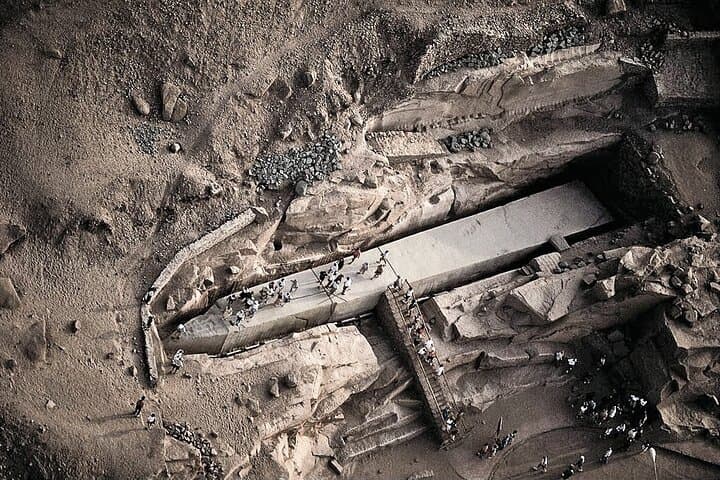
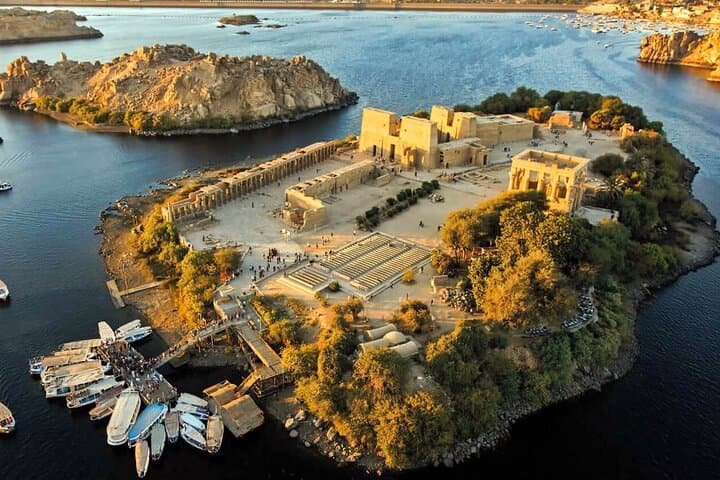
The day pairs two very different chapters of Aswan’s story. The High Dam, completed in 1970, is a 20th‑century answer to annual floods and a reshaper of Egypt’s landscape and economy. Downriver, the unfinished obelisk at the granite quarries reveals ancient stonecraft and the risks of carving monoliths in situ. Philae’s temples, rebuilt stone by stone on Agilkia after the dam flooded their original site, celebrate Isis and the endurance of ritual across millennia.
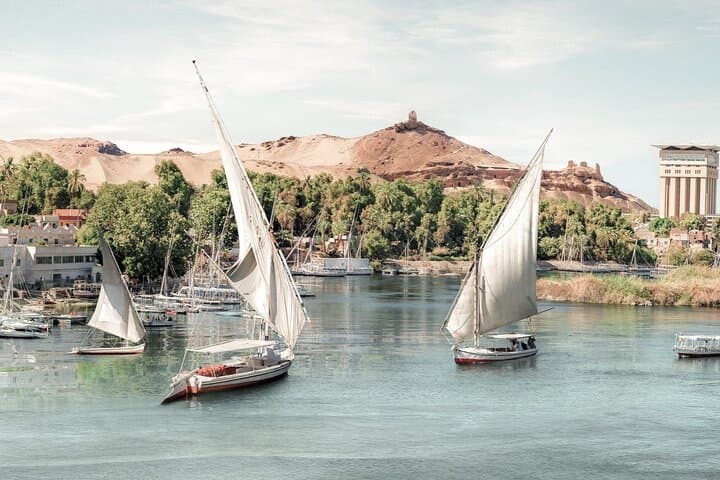
Geology here is tactile: pink granite outcrops underfoot, Nile silt painting banks, and the river’s pull shaping islands and trade routes for centuries. Local life still orbits the Nile—fishermen, feluccas, and markets in Aswan town—while guides bring Egyptology into clear focus with inscriptions and reliefs.
Practicalities: this is a full‑day, low‑effort tour with short walks on mostly flat surfaces and boat transfers. Wear sturdy shoes for uneven temple steps, bring sun protection and a refillable bottle, and time your visit for morning or late afternoon light when the carvings read best. Expect an easy pace, airport‑level transport comfort, and an eye‑opening cross‑section of ancient craft and modern infrastructure.
easy.
8 hours.
Suitable for most fitness levels; requires short walks and standing during site visits.
The motorboat crossing from the mainland to Agilkia Island is short—typically 5–15 minutes depending on launch point and river conditions.
This tour description notes admission is not included; check with the operator for current ticket arrangements and any onsite fees.
The tour involves short, mostly flat walks but includes steps at the temple and boarding boats; travelers with significant mobility limitations should check accessibility details with the operator beforehand.
Abu Simbel is a separate, longer trip (several hours each way). Combining both in one day is not practical; many travelers book Abu Simbel as its own excursion.
Philae’s temples were painstakingly moved to Agilkia Island in the 1960s and 70s after the High Dam raised water levels; the relocation was an early UNESCO‑backed salvage effort.
Rising water levels and tourist pressure remain concerns—follow local guidance, avoid touching reliefs, and minimize single‑use plastics to reduce impact.
Egyptoria operates guided outdoor trips and adventures with an emphasis on safety, stewardship, and memorable experiences.
Sunlight cuts across the Nile in hard lines, and the river seems to dare you forward as the motorboat slips toward Agilkia Island. From the bank the High Dam rises like modern masonry against the desert—an engineering spine that changed the Nile’s rhythm—and moments later the columns of Philae appear, their shadows stretching across the water.
Sunlight cuts across the Nile in hard lines, and the river seems to dare you forward as the motorboat slips toward Agilkia Island. From the bank the High Dam rises like modern masonry against the desert—an engineering spine that changed the Nile’s rhythm—and moments later the columns of Philae appear, their shadows stretching across the water.
The day pairs two very different chapters of Aswan’s story. The High Dam, completed in 1970, is a 20th‑century answer to annual floods and a reshaper of Egypt’s landscape and economy. Downriver, the unfinished obelisk at the granite quarries reveals ancient stonecraft and the risks of carving monoliths in situ. Philae’s temples, rebuilt stone by stone on Agilkia after the dam flooded their original site, celebrate Isis and the endurance of ritual across millennia.
Geology here is tactile: pink granite outcrops underfoot, Nile silt painting banks, and the river’s pull shaping islands and trade routes for centuries. Local life still orbits the Nile—fishermen, feluccas, and markets in Aswan town—while guides bring Egyptology into clear focus with inscriptions and reliefs.
Practicalities: this is a full‑day, low‑effort tour with short walks on mostly flat surfaces and boat transfers. Wear sturdy shoes for uneven temple steps, bring sun protection and a refillable bottle, and time your visit for morning or late afternoon light when the carvings read best. Expect an easy pace, airport‑level transport comfort, and an eye‑opening cross‑section of ancient craft and modern infrastructure.