THE ADVENTURE COLLECTIVE® · Independent discovery and booking for outdoor travel

Explore two defining sites of Aswan in one half-day: the island temple of Philae and the monumental Aswan High Dam. This private tour pairs ancient ritual architecture with 20th-century engineering, ideal for visitors short on time.
Explore two defining sites of Aswan in one half-day: the island temple of Philae and the monumental Aswan High Dam. This private tour pairs ancient ritual architecture with 20th-century engineering, ideal for visitors short on time.
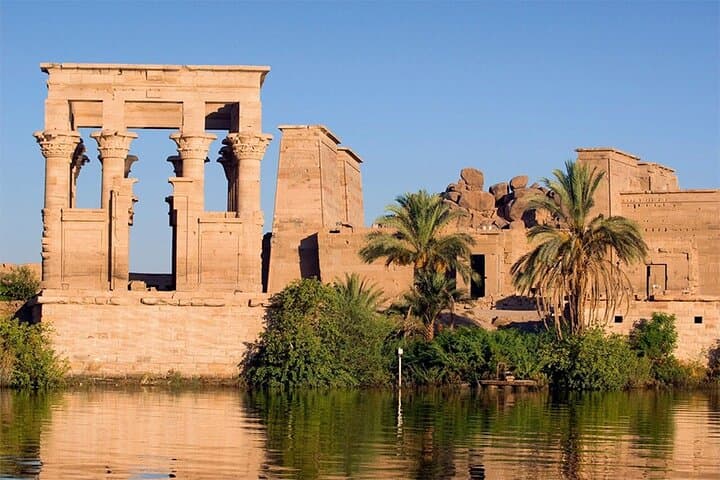
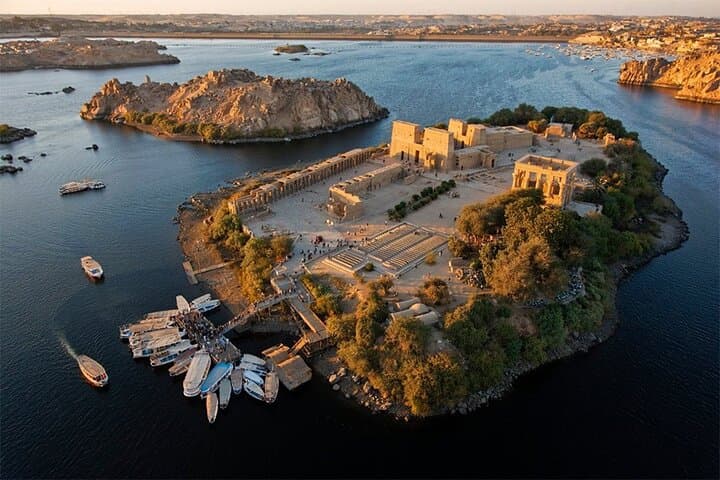
Early light catches the Nile like molten brass as a small motorboat parts the morning calm and carries visitors toward Philae’s island shrine. Stones worn by centuries refuse to be silent here; hieroglyphs and colonnades rise from the palm-ringed water, and the river seems to tug at the ankles of history itself.
Verified experiences and guided adventures in the surrounding area.
Operated by Egypt Tours Travel · Aswan, Aswan Governorate
Early light catches the Nile like molten brass as a small motorboat parts the morning calm and carries visitors toward Philae’s island shrine. Stones worn by centuries refuse to be silent here; hieroglyphs and colonnades rise from the palm-ringed water, and the river seems to tug at the ankles of history itself.
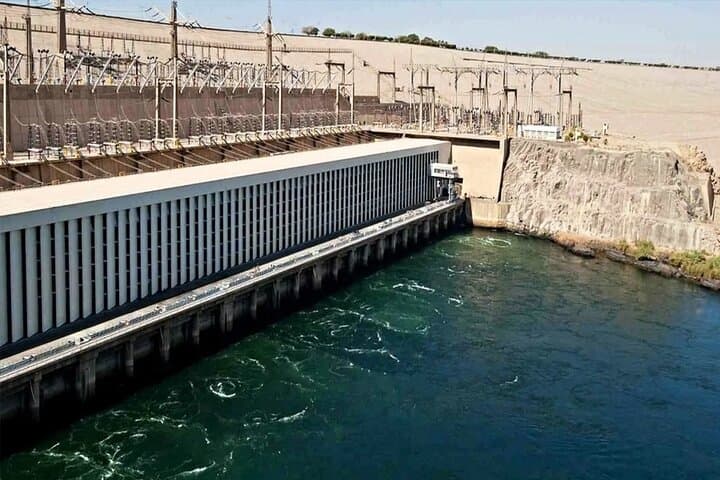
Philae was dedicated to Isis and reassembled on Agilkia Island after the Aswan High Dam flooded its original site — a UNESCO relocation project in the 1960s that saved carved reliefs from the rising reservoir. The High Dam, by contrast, is a modern, concrete answer to the Nile’s ancient moods: massive, pragmatic, and crucial to Egypt’s 20th-century development.
Visitors will move between two eras — pharaonic ritual space and mid-century engineering — with a local guide who threads myth, construction detail, and social impact into a concise narrative. Expect flat, paved paths at Philae, short boat transfers, and an accessible visit suitable for most mobility levels.
Practicalities: this private half-day runs about 4.5 hours with hotel pickup and drop-off. Bring sun protection and a reusable water bottle; mornings and late afternoons are cooler and quieter. Photography is allowed in most areas but follow guide instructions around sensitive carving and interior chambers. Entry and the short motorboat to the island are included in standard tours.
For travelers with limited time in Aswan, the pairing of Philae and the High Dam delivers both evocative ruins and tangible context for modern Nile management — compact, walkable, and rich in contrast.
easy.
4–5 hours.
Light walking on mostly flat, paved surfaces; suitable for most fitness levels
Yes — standard private tours typically include temple entry and the short motorboat transfer to Agilkia Island.
Philae and the High Dam have accessible surfaces and transport options; notify the operator at booking to arrange accessible pickup and boat assistance.
Expect about 2–3 hours at Philae including transfers and 1–1.5 hours at the High Dam within the 4–5 hour tour.
October through April offers milder temperatures and clearer skies; summer is hot and can be taxing mid-day.
Philae was relocated stone-by-stone during the Aswan High Dam project in the 1960s to protect it from the rising reservoir; the High Dam itself reshaped Nile hydrology and Egypt’s agricultural economy.
The temple relocation is an early example of international cultural heritage intervention; the dam’s environmental and social effects remain a focus for sustainable tourism and local community projects.
Egypt Tours Travel operates guided outdoor trips and adventures with an emphasis on safety, stewardship, and memorable experiences.

Early light catches the Nile like molten brass as a small motorboat parts the morning calm and carries visitors toward Philae’s island shrine. Stones worn by centuries refuse to be silent here; hieroglyphs and colonnades rise from the palm-ringed water, and the river seems to tug at the ankles of history itself.
Early light catches the Nile like molten brass as a small motorboat parts the morning calm and carries visitors toward Philae’s island shrine. Stones worn by centuries refuse to be silent here; hieroglyphs and colonnades rise from the palm-ringed water, and the river seems to tug at the ankles of history itself.
Philae was dedicated to Isis and reassembled on Agilkia Island after the Aswan High Dam flooded its original site — a UNESCO relocation project in the 1960s that saved carved reliefs from the rising reservoir. The High Dam, by contrast, is a modern, concrete answer to the Nile’s ancient moods: massive, pragmatic, and crucial to Egypt’s 20th-century development.
Visitors will move between two eras — pharaonic ritual space and mid-century engineering — with a local guide who threads myth, construction detail, and social impact into a concise narrative. Expect flat, paved paths at Philae, short boat transfers, and an accessible visit suitable for most mobility levels.
Practicalities: this private half-day runs about 4.5 hours with hotel pickup and drop-off. Bring sun protection and a reusable water bottle; mornings and late afternoons are cooler and quieter. Photography is allowed in most areas but follow guide instructions around sensitive carving and interior chambers. Entry and the short motorboat to the island are included in standard tours.
For travelers with limited time in Aswan, the pairing of Philae and the High Dam delivers both evocative ruins and tangible context for modern Nile management — compact, walkable, and rich in contrast.