THE ADVENTURE COLLECTIVE® · Independent discovery and booking for outdoor travel

Walk Center City from Reading Terminal to Love Park on a 2½-hour guided route that traces Philadelphia’s architectural evolution — from 19th-century masonry to modern glass towers. Expect close-up looks at landmark façades, civic stories, and practical tips for navigating the route.
Walk Center City from Reading Terminal to Love Park on a 2½-hour guided route that traces Philadelphia’s architectural evolution — from 19th-century masonry to modern glass towers. Expect close-up looks at landmark façades, civic stories, and practical tips for navigating the route.
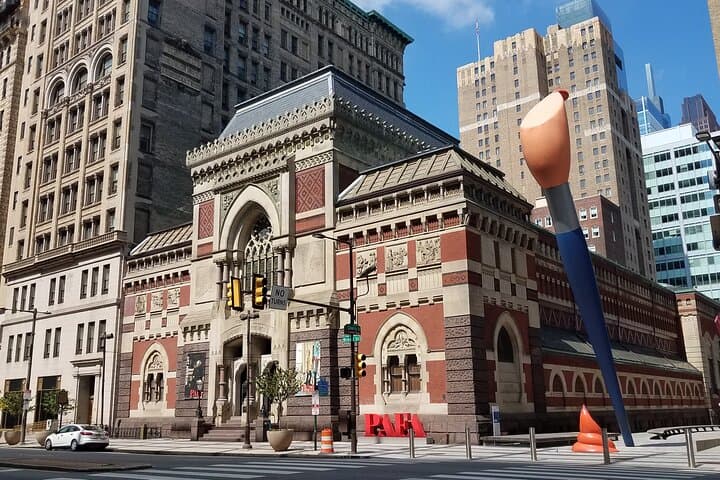
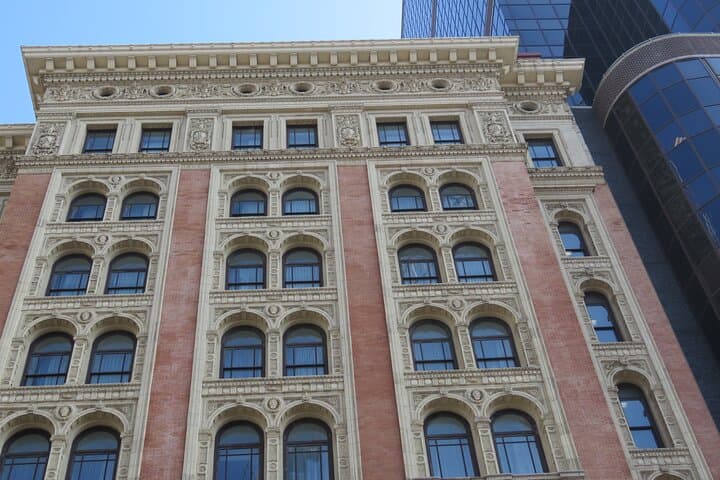
You step onto 12th Street and the city opens like a stratified map of ambitions: brownstone vaults, ornate masonry, then glass skins that reflect a sky once dominated by William Penn.
Verified experiences and guided adventures in the surrounding area.
Operated by phillyPHAT · Philadelphia, Pennsylvania
You step onto 12th Street and the city opens like a stratified map of ambitions: brownstone vaults, ornate masonry, then glass skins that reflect a sky once dominated by William Penn.
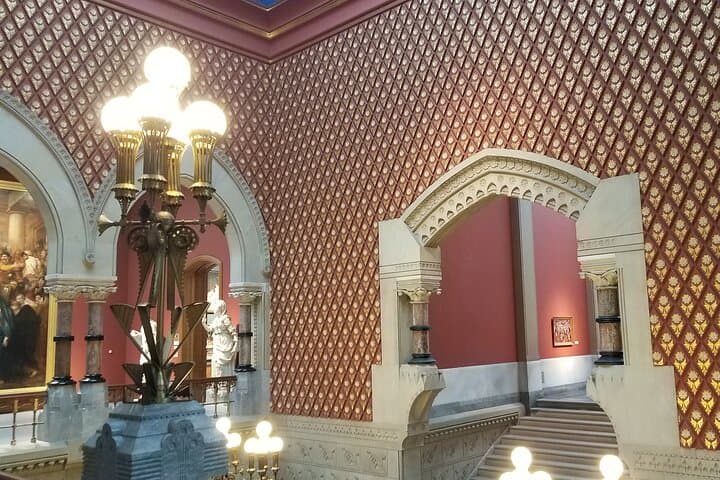
This 2½-hour walking tour threads Center City’s spine from Reading Terminal Market past Furness’ high Victorian gestures to the straight lines of International Style and the postmodern towers that reshape the skyline. Philadelphia’s built story is also geological and economic — the Piedmont bedrock and the Schuylkill waterfront created corridors for trade and civic institutions, and the Ben Franklin Parkway was laid out to connect commerce with culture.
Expect detailed stops: the vaulted aisles of Reading Terminal, the PSFS building marking the arrival of modernism in U.S. commercial design, the Romanesque heft of a post-Civil War municipal complex, Wanamaker’s Grand Court organ, and the contemporary glass faces of the Comcast towers. Your guide will point out stylistic cues, construction eras, and the civic debates that produced them — from post-war preservation to late 20th-century height competitions.
Practical side: the route is mostly pavement with short flights of steps and occasional curb cuts; moderate fitness and stable walking shoes keep you comfortable. Public transit and bike-share hubs bracket the route; carry water, a layered jacket for sudden weather, and allow time to linger in the market if you want local snacks. Finish at Love Park with a framed view up the Parkway — a clean visual summary of Philadelphia’s architectural ambitions.
moderate.
2–3 hours.
Moderate level of fitness — able to walk 2–3 miles on pavement with short stair sections.
The tour lasts about 2.5 hours and moves at a steady walking pace with frequent stops for commentary and photos.
Much of the route is on level pavement but there are some curb cuts and short stairways; contact the operator for specific accessibility accommodations.
No — the tour includes exterior viewing and public spaces; interior tours or museum admissions are separate and may require reservations.
The tour operates in most weather; check the operator’s cancellation policy for severe weather and dress appropriately.
Center City grew rapidly in the 19th century as commerce and civic institutions concentrated near the waterfront; many civic architectural projects reflect post-Civil War civic pride and later 20th-century modernism.
Historic preservation groups actively protect landmark façades while city initiatives encourage green space along the Parkway; visitors can help by using public transit and minimizing litter.
phillyPHAT operates guided outdoor trips and adventures with an emphasis on safety, stewardship, and memorable experiences.

You step onto 12th Street and the city opens like a stratified map of ambitions: brownstone vaults, ornate masonry, then glass skins that reflect a sky once dominated by William Penn.
You step onto 12th Street and the city opens like a stratified map of ambitions: brownstone vaults, ornate masonry, then glass skins that reflect a sky once dominated by William Penn.
This 2½-hour walking tour threads Center City’s spine from Reading Terminal Market past Furness’ high Victorian gestures to the straight lines of International Style and the postmodern towers that reshape the skyline. Philadelphia’s built story is also geological and economic — the Piedmont bedrock and the Schuylkill waterfront created corridors for trade and civic institutions, and the Ben Franklin Parkway was laid out to connect commerce with culture.
Expect detailed stops: the vaulted aisles of Reading Terminal, the PSFS building marking the arrival of modernism in U.S. commercial design, the Romanesque heft of a post-Civil War municipal complex, Wanamaker’s Grand Court organ, and the contemporary glass faces of the Comcast towers. Your guide will point out stylistic cues, construction eras, and the civic debates that produced them — from post-war preservation to late 20th-century height competitions.
Practical side: the route is mostly pavement with short flights of steps and occasional curb cuts; moderate fitness and stable walking shoes keep you comfortable. Public transit and bike-share hubs bracket the route; carry water, a layered jacket for sudden weather, and allow time to linger in the market if you want local snacks. Finish at Love Park with a framed view up the Parkway — a clean visual summary of Philadelphia’s architectural ambitions.